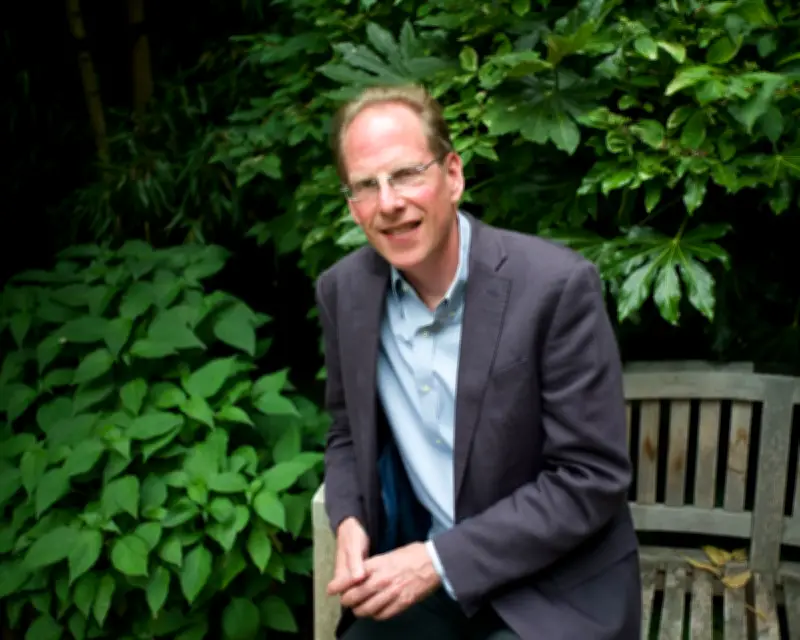
Prof Simon Baron-Cohen, the pioneering psychologist behind the 'extreme male brain' theory of autism, has expressed regret over the phrase, acknowledging it has led to misunderstandings and simplistic headlines. Speaking exclusively to the Guardian ahead of a major donation announcement, he stated that terms like 'male brain' and 'female brain' are no longer useful and that the myth that autistic people lack empathy is false. His own research distinguishes between cognitive empathy (interpreting expressions) and affective empathy (emotional response), noting that autistic individuals often feel deeply once they recognize distress in others.
New £26m Autism Research Centre at Cambridge
The University of Cambridge has received a £26m ($34.5m) gift from US philanthropist Lisa Yang, one of the largest ever donations to a UK university for autism research. The funding will establish the K Lisa Yang Centre for Autism Research and a clinical autism centre within a future Cambridge children's hospital, both overseen by Baron-Cohen. The centre will prioritize research guided by the autistic community, focusing on improving life expectancy, health outcomes, earlier diagnosis, and practical solutions to enhance quality of life.
Autistic People Face Higher Risk of Cardiovascular Disease
Baron-Cohen highlighted that autistic people tend to die younger, a neglected area of research. Recent unpublished findings from his team, based on data from 141,672 people, indicate that autistic women have a 71% higher risk of heart attack, stroke, and other serious cardiac events, even after accounting for known risk factors like blood pressure, diabetes, and obesity. Possible reasons include difficulty accessing NHS services, lifestyle factors, or genetic links. The centre will also explore physical health experiences of autistic women, including childbirth distress and menstrual issues, which may relate to sensory hypersensitivity or hormonal factors.

Community Consultation and Controversy
Baron-Cohen acknowledged past controversies, including backlash over a plan to sequence genomes of 10,000 autistic people, which was dropped after a two-year consultation. He emphasized a new emphasis on early consultation with the autistic community to shape research priorities. The donation comes amid rising autism diagnoses, with a nearly 800% increase in the UK from 1998 to 2018 and a 50% rise in children referred to mental health services for possible autism in 2024-2025 alone. Baron-Cohen dismissed claims of over-diagnosis, noting that people do not seek a diagnosis casually. His team is piloting whether GPs can diagnose autism as accurately as specialist centres, which could significantly reduce waiting lists.