
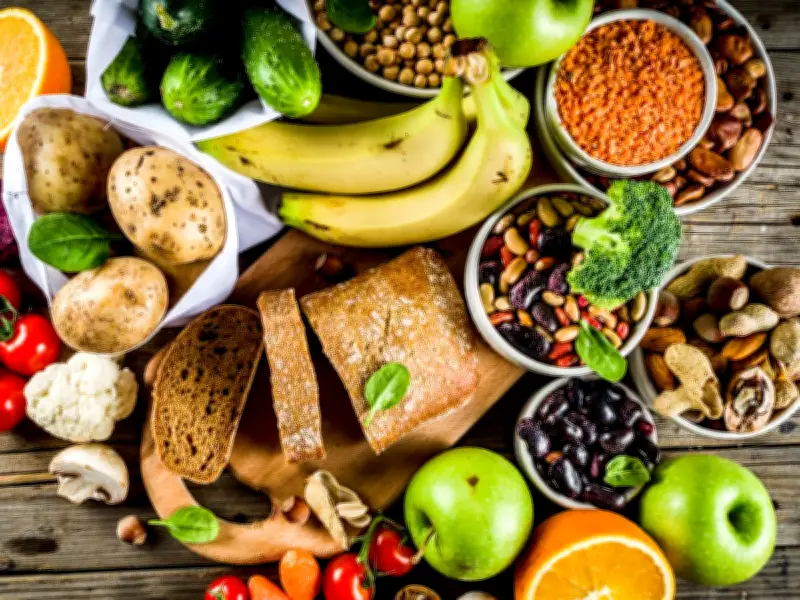
Four Foods to Lower Cholesterol
Dr Oliver Guttmann, a consultant cardiologist at The Wellington Hospital, part of HCA Healthcare UK, recommends incorporating four types of food into your diet to reduce cholesterol: oats, nuts, fatty fish, and olive oil. These foods are rich in soluble fiber, omega-3 fatty acids, and healthy fats that help lower LDL (bad) cholesterol and raise HDL (good) cholesterol.
Three Foods to Cut Back On
Dr Guttmann also advises reducing intake of processed meats, fried foods, and sugary snacks. These foods are high in saturated and trans fats, which increase LDL cholesterol and contribute to plaque buildup in arteries.
Understanding Cholesterol
Cholesterol is a fatty substance essential for building cells and producing hormones. LDL is often called 'bad' cholesterol because high levels can lead to plaque buildup, while HDL is 'good' cholesterol that helps remove LDL from the bloodstream. In the UK, a total cholesterol level of 5 mmol/L or below is considered healthy, with LDL ideally below 4 and HDL at 1 or above, according to Dr Chun Tang, GP and medical director at Pall Mall Medical.
Dangers of High Cholesterol
High LDL cholesterol can lead to fatty deposits in arteries, narrowing them and increasing the risk of heart disease and stroke. Older adults, those with genetic conditions like familial hypercholesterolemia, and people with poor diet or sedentary lifestyles are more prone to high cholesterol.
Early Life Exposure Matters
A study led by scientists from the University of Cambridge and published in Nature found that intermittent high-fat diets starting in youth worsen atherosclerosis risk. Another analysis of 2,000 people from the Cardiovascular Risk in Young Finns Study showed that high cholesterol levels in childhood were linked to greater plaque buildup in arteries later in life. Ziad Mallat, a British Heart Foundation professor at Cambridge, said: 'We found that an intermittent high-fat diet starting while the mice were still young was the worst option in terms of atherosclerosis risk.'
Lifestyle Changes to Lower Cholesterol
Dr Guttmann recommends eating more fruits, vegetables, whole grains, and lean proteins, and reducing saturated and trans fats. Regular exercise, at least 150 minutes of moderate aerobic activity per week, helps raise HDL and lower LDL. Quitting smoking also improves cholesterol levels and overall heart health, as smoking lowers HDL and damages blood vessels.




