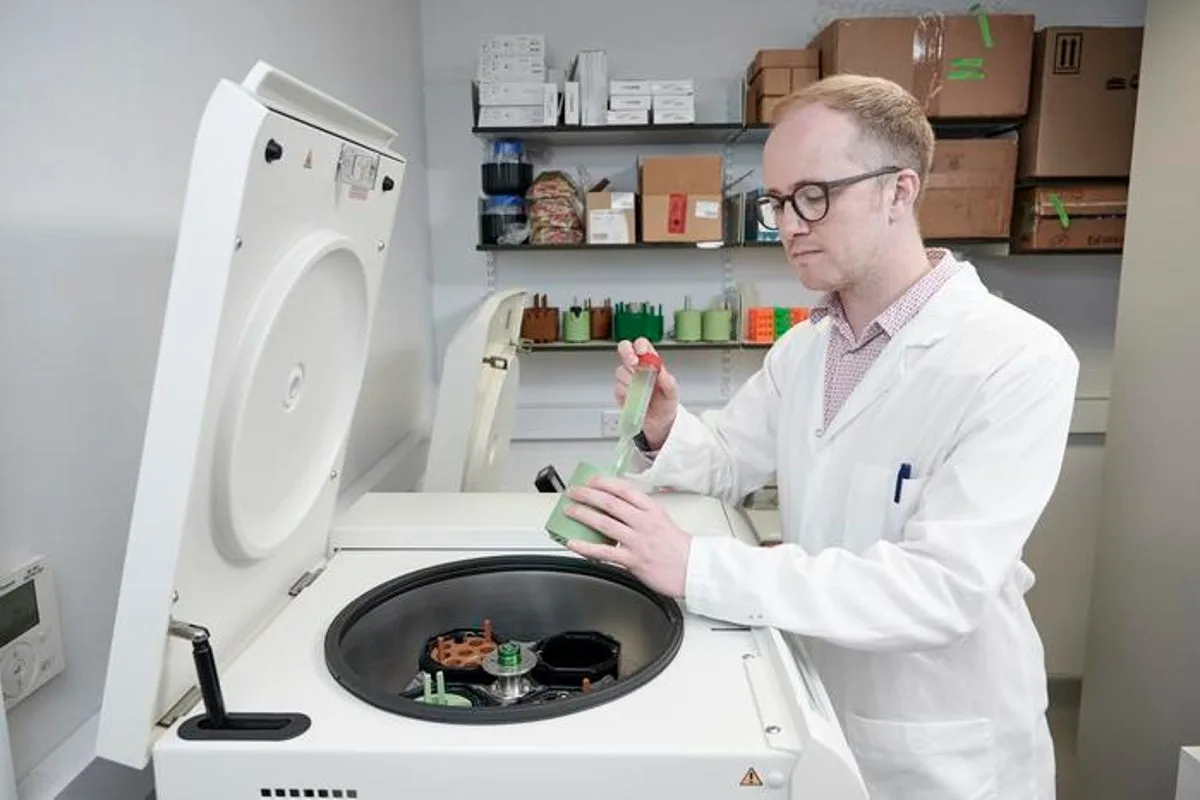
Scientists at the University of Edinburgh have engineered E. coli bacteria to transform plastic bottles into a drug used to treat Parkinson's disease, according to a study published in Nature Sustainability. The process converts polyethylene terephthalate (PET), commonly used in food and drink packaging, into L-DOPA, the gold standard medication for Parkinson's.
Around 166,000 people in the UK live with Parkinson's, and most are prescribed L-DOPA to help produce dopamine in the brain, alleviating motor symptoms such as tremors and stiffness. Traditional pharmaceutical manufacturing relies on fossil fuels, making this biological method a more sustainable alternative.
The researchers broke down PET waste into terephthalic acid, which was then transformed into L-DOPA by the engineered bacteria through a series of biological reactions. With about 50 million tonnes of PET waste produced annually, this approach prevents plastic from ending up in landfill while creating a valuable medicine.

Dr Liz Fletcher of the Industrial Biotechnology Innovation Centre called the innovation a way of redesigning processes that work with nature to deliver real-world benefits. Professor Stephen Wallace, who led the study, described it as just the beginning, noting that plastic waste represents a vast, untapped source of carbon that can be reimagined to support human health.
This is not the first time plastic has been repurposed into a drug; the same team previously used E. coli to produce paracetamol in June 2025. Researchers believe the technology could be extended to create flavourings, fragrances, cosmetics, and industrial chemicals, though further work is needed to scale up production commercially.