
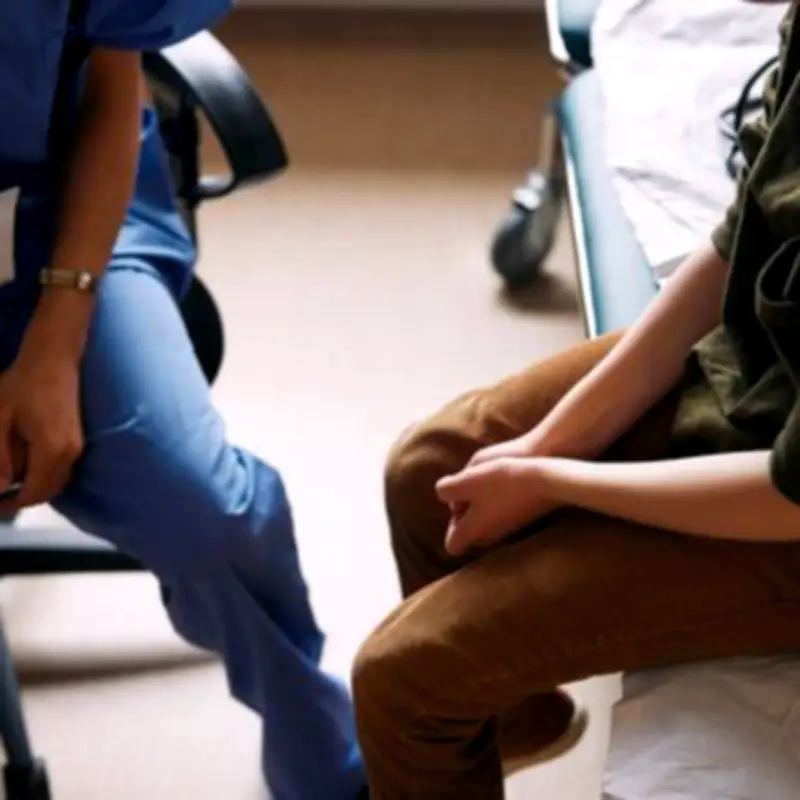
Some patients in Wales are waiting up to 21 years for a diagnosis, according to new research. The study also found that people sometimes have to travel outside of Wales to be diagnosed.
Study Reveals Long Diagnostic Journeys
New research has found that people with certain conditions in Wales often have to wait decades for a diagnosis. The study has found that people with hypermobility conditions are waiting longer to be diagnosed in Wales compared to elsewhere in the UK.
A large proportion of people who took part in the research reported having to travel outside of Wales to get their diagnosis. The study also found that people with hypermobile Ehlers-Danlos syndrome (hEDS) and hypermobility spectrum disorders (HSD) face fragmented healthcare, while it can have a major impact on their mental health, education and employment.
The conditions affect connective tissue throughout the body and are associated with joint hypermobility, chronic pain and fatigue, alongside neurological, gastrointestinal and psychological symptoms.
The Welsh Government said NHS Wales is working to improve the experience of people with hypermobility spectrum disorders.
Key Findings from the Study
The University of Edinburgh-led study of more than 2,000 people, said to be the largest of its kind in the UK, found patients waited an average of 19 to 21.7 years for diagnosis, while many respondents travelled outside of their home nation to be diagnosed.
- More than a third of Welsh respondents (37.3%) and 39% of those in Northern Ireland reported leaving their country for diagnosis, as did 17.4% of people in Scotland.
- People in England were most likely to receive a diagnosis within their country of residence, at 97.6%.
- Respondents from Wales reported the longest diagnostic journey, waiting on average 21.7 years between symptom presentation and diagnosis by a healthcare professional, while it was 21.1 years for Northern Ireland, 19.5 for Scotland and 19 for England.
The study was conducted using an online survey co-developed with patients, clinicians and Ehlers-Danlos Support UK between September 2023 and January 2024.
Impact on Health and Life
It found 83.9% of patients reported chronic pain, while 73.8% experienced partially dislocated joints and 66.3% had gastrointestinal symptoms. Researchers found 70.8% reported anxiety, while depression was reported by 63.3%, and migraines by 53.5%.
Almost half of respondents (45.6%) were unemployed, 55.9% reported disrupted education, and 47.9% received disability-related benefits. The study also found 20.4% of respondents reported having autism spectrum disorder, 18.1% ADHD, and 15.3% dyslexia.
Experts said their findings suggest low awareness of the conditions among healthcare professionals and limited care pathways are leaving patients without timely diagnosis or co-ordinated support.
Kathryn Berg, trial and research manager at the university's Institute of Genetics and Cancer, said: This study highlights the profound impact hEDS and HSD can have across every aspect of life. Our findings show the urgent need for equitable, multidisciplinary care pathways that recognise the complex and multisystemic nature of these conditions.
Calls for Better Care Pathways
Researchers said hEDS and HSD should be understood as complex multisystem conditions rather than disorders defined only by joint hypermobility. They are now calling for formalised care pathways, better professional awareness, and multidisciplinary services integrating rheumatology, pain management, physiotherapy, occupational therapy and psychological support, alongside co-designed approaches reflecting neurodivergent needs.
A Welsh Government spokesperson said: NHS Wales is working to improve the experience of people with hypermobility spectrum disorders and Ehlers-Danlos syndrome, who can face long and complicated journeys to diagnosis.
A draft community health pathway has been developed with clinical experts across rheumatology, physiotherapy, and primary care, alongside Ehlers-Danlos Support UK, to help people receive more consistent care, closer to home, with access to specialist expertise where needed.
Work is ongoing with partners to secure formal agreement so the pathway can be put into place with the appropriate clinical endorsement.
A UK Government spokesperson said: People living with hypermobile Ehlers-Danlos syndrome and hypermobility spectrum disorders deserve to have their symptoms recognised and taken seriously, and we know long waits for a diagnosis can have a significant impact on patients and their families.
A toolkit developed by the Royal College of General Practitioners, in partnership with EDS Support UK, has been made available to clinicians to support them to recognise and manage these complex conditions by improving awareness and consistency of care.
To improve access to care for patients, we have recruited 2,000 more GPs and will open 250 neighbourhood health centres by 2035, as we shift care from hospital to community as part of our 10-Year Health Plan.




