
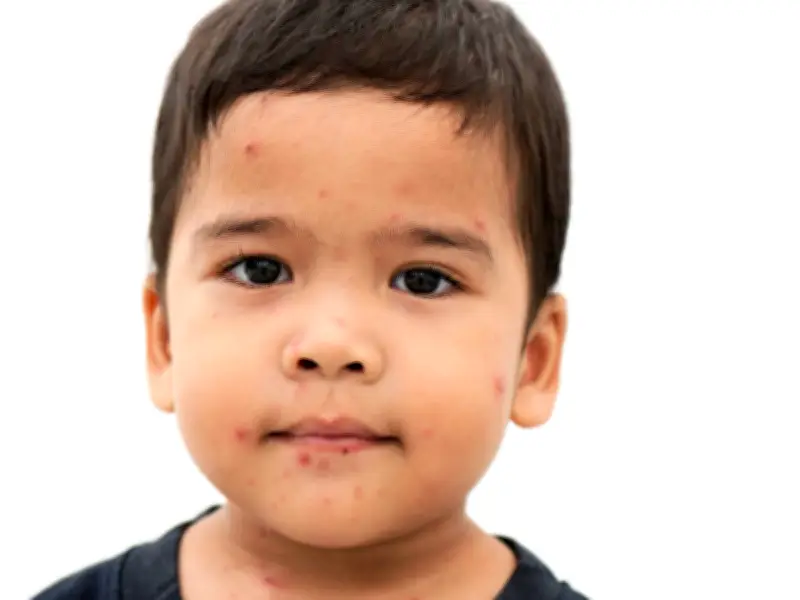
The UK Health Security Agency has issued a fresh warning to parents and families as measles cases continue to rise across England, with two children having died from the disease in 2026 so far.
Rising Cases and Tragic Deaths
New figures released on Thursday reveal that between January 1 and June 8, there have been 736 laboratory-confirmed measles cases reported in England. This marks an increase of 106 cases since the previous report on May 25, 2026. Of these, 404 were in London, 136 in the West Midlands, and 77 in the North West. However, all regions have recorded at least one confirmed case since January.
In 2025, there were 959 laboratory-confirmed measles cases reported in England. Announcing the latest statistics, the UKHSA said: "Sadly, to date in 2026, there have been 2 measles deaths in children in England."
Urgent Call for Vaccination
Dr. Vanessa Saliba, Consultant Epidemiologist at UKHSA, urged families to ensure their children are vaccinated: "Our thoughts and condolences are with the families who have so tragically lost their children. Measles continues to circulate in many parts of the country and, as we have seen, it can be very serious and even fatal. We urge all parents to ensure their children are up to date with their MMR or MMRV vaccines, giving them the best and safest protection against measles – which can spread very easily. Anyone who has missed out on their measles vaccines can catch up through their GP practice, whatever their age. Getting vaccinated also helps protect babies who are too young to be vaccinated and people unable to have the vaccine due to a health condition. Please don't delay; if you or your child are not up to date, book an appointment today."
Dr. Ben Kasstan-Dabush, Assistant Professor of Global Health & Development at the London School of Hygiene & Tropical Medicine, commented: "Latest UKHSA data shows that the total number of measles cases confirmed between 1 January and 8 June 2026 was 736, compared to 959 cases for the whole of 2025. The data indicates a persistence of under-vaccination and risk of measles spread in urban areas like London, which are characterised by extremes of inequality. The burden of risk is not equally shared. The immediate priority now is to ensure timely catch-up of under-vaccinated children, and that school-age children are brought up to schedule as efficiently as possible with equitable pathways to vaccination through enhanced access. This is essential to avoid outbreaks in schools, so that children can look forward to their summers free from the risk of being infected or hospitalised."
Symptoms of Measles
The NHS has outlined symptoms to monitor and what action to take if you suspect you or your child has measles. Measles usually starts with cold-like symptoms, followed by a rash a few days later. Some people may also get small spots in their mouth.
Cold-like Symptoms
The first symptoms of measles include:
- A high temperature
- A runny or blocked nose
- Sneezing
- A cough
- Red, sore, watery eyes
Spots in the Mouth
Small white spots may appear inside the cheeks and on the back of the lips a few days later. These spots usually last a few days.
The Measles Rash
A rash usually appears a few days after the cold-like symptoms. The rash starts on the face and behind the ears before spreading to the rest of the body. The spots of the measles rash are sometimes raised and join together to form blotchy patches. They are not usually itchy. The rash looks brown or red on white skin but may be harder to see on brown and black skin.
When to See a GP
You should seek medical advice if:
- You think you or your child may have measles
- You have been in close contact with someone who has measles and you have not had measles before or you have not had 2 doses of the MMR vaccine
- You have been in close contact with someone who has measles and you are pregnant – measles can be serious in pregnancy
- You have a weakened immune system and think you have measles or have been in close contact with someone with measles
Measles can spread to others easily. Call your GP surgery before you go in. They may suggest talking over the phone. You can also call 111 or get help from 111 online.




