

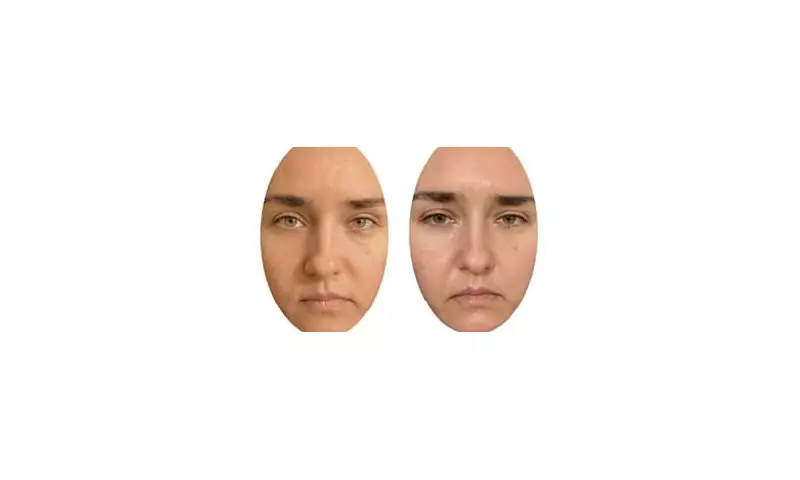
As the winter season tightens its grip, the collective mission to dodge coughs and colds is in full swing. While obvious symptoms like sneezing are easy to spot, new scientific research suggests some people are far better at detecting the far more subtle, visual signs that someone is unwell.
The Science of Spotting Sickness
A fascinating study from the University of Miami has investigated our ability to perceive 'lassitude' – the faint facial signals that indicate illness. Researchers presented participants with pairs of photographs of 12 different individuals. Each person had one picture taken while healthy and another while acutely sick with an illness such as Covid-19, a cold, or the flu.
The task was to determine which image showed the ill person. The results revealed a clear sex difference: women were significantly more accurate than men at distinguishing between the sick and healthy faces.

The research team theorises that this heightened sensitivity in women may be rooted in evolution. "This could be because women, who have historically been the primary caregiver for infants, have undergone evolutionary pressure to recognise sickness early," they suggested. Their findings were published in the journal Evolution and Human Behavior.
What Are the Subtle Facial Clues of Illness?
So, what exactly are we – and particularly women – subconsciously picking up on? The researchers identified a consistent set of observable signs that manifest when a person feels unwell. These are not dramatic changes, but slight alterations in appearance.
The key indicators include:
- Red, sleepy, or relaxed-looking eyes.
- Drooping eyelids.
- Pale and slightly parted lips.
- Drooping corners of the mouth.
- Clammy or puffy skin.
- A reddish tone to the face.
"When feeling sick, people reliably exhibit observable signs in their faces. People are, overall, sensitive to the lassitude expression in naturally sick faces," the University of Miami team confirmed.
Implications for Public Health and Future Research
The study concludes that females appear to be more naturally attuned to these biological cues of sickness. "Overall, the current study found that females are better than males at recognizing facial sickness based on ratings of people's faces," the paper stated.
This discovery has potential implications for public health, particularly in reducing disease transmission. If people can be better educated to spot these faint signals, they might avoid close contact with contagious individuals sooner.
The researchers acknowledge that more work is needed to fully understand the mechanisms behind this sex difference. However, they pointedly noted that "some individuals—particularly males—potentially [could] benefit from support in developing this skill."
Meanwhile, as seasonal viruses circulate, health authorities like the UK Health Security Agency (UKHSA) continue to advise the public on distinguishing between common illnesses. They note that a cold usually comes on gradually with a blocked nose and sore throat, while flu hits rapidly with extreme tiredness and fever. Covid-19 symptoms continue to evolve but often include a loss of taste or smell and a severe sore throat.






