Spain Alerts WHO to Suspected Human-to-Human Swine Flu Transmission
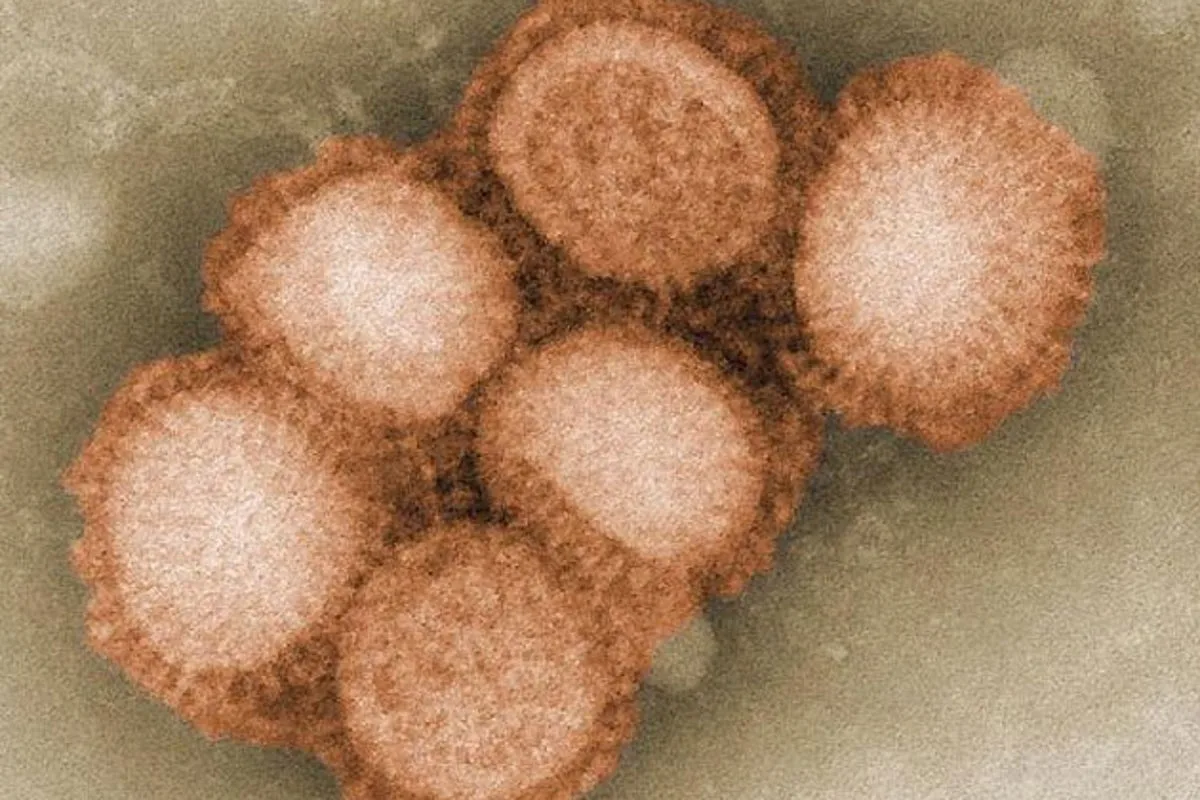
Spanish health authorities have formally alerted the World Health Organisation (WHO) regarding a suspected case of human-to-human transmission of the A(H1N1)v swine flu variant in the Catalonia region. The regional health department confirmed this development on Friday, marking a significant public health notification that has drawn international attention.
Patient Details and Investigation Findings
The infected individual, who has since made a full recovery, presented an unusual case as they exhibited no typical flu-like symptoms during their illness. Comprehensive testing conducted on all direct contacts of the patient revealed no evidence of further transmission, providing some reassurance to health officials.
According to a detailed report from El Pais, which cited authoritative sources within the Catalan health department, the patient had absolutely no contact with pigs prior to falling ill. This crucial absence of porcine exposure has led medical experts to conclude that human-to-human transmission is the most plausible explanation for this infection.
Pandemic Concerns and Risk Assessment
This suspected transmission event has raised legitimate concerns among virologists regarding the pandemic potential of this swine flu variant. The primary worry centers on the possibility that the virus could recombine with a circulating human influenza strain if a pig were to become simultaneously infected with both viruses, potentially creating a more transmissible hybrid pathogen.
Despite these theoretical concerns, the Catalan health department has subsequently conducted a thorough risk assessment and determined that the immediate danger to the general population remains "very low". This assessment considers the patient's full recovery, the absence of secondary transmissions, and the current containment measures in place.
The World Health Organisation has not issued an immediate response to requests for comment regarding this specific alert from Spanish authorities.
Historical Context of Swine Flu Infections
This recent Spanish case follows previous international incidents involving similar viruses. In 2023, health authorities in the Netherlands formally notified the WHO about a confirmed human infection with a swine influenza A(H1N1)v virus. That case involved an adult patient who had no history of occupational exposure to animals, mirroring aspects of the current Spanish situation.
The specter of the 2009 swine flu pandemic looms large in any discussion of these viruses. That global health crisis infected millions of people worldwide and was caused by an influenza virus containing genetic material from viruses that were circulating simultaneously in pigs, birds, and humans. The 2009 pandemic demonstrated how animal influenza viruses can adapt to human transmission with devastating consequences.
Health authorities continue to monitor these developments closely, emphasizing robust surveillance systems and rapid response protocols to detect and contain any potential outbreaks before they can escalate into larger public health emergencies.




