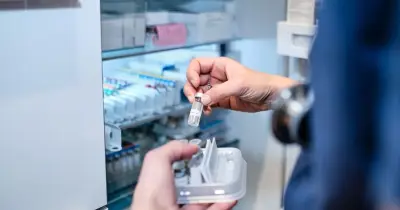
Hospitals and pharmacies in the US are running out of flu vaccines, medications and tests for the deadly virus at the peak of the season, with three months remaining. Vaccine manufacturers predicted 151 million to 166 million flu shots to be given this season, and as of last week 152 million shots have been distributed. Some pharmacies, including CVS, are no longer restocking their shelves with the flu shot for the rest of the season.
The flu shot is 34 percent effective at preventing the most common H3N2 strain, dubbed the 'Aussie flu', which is responsible for the devastating 2014 season. However, the CDC is urging everyone to get vaccinated, saying it is not too late as it will offer more protection from the new strains, H1N1 and B viruses, emerging in the next few weeks.
Private practices in Pittsburgh, Pennsylvania, are running out of the rapid flu test that takes about 10 minutes to determine if a patient is suffering from the virus. Some health professionals are urging doctors to cut back on administering rapid flu tests for patients who look obviously ill in order to save the tests for others who show milder symptoms.
Nihar Mandavia, a pharmacist who owns Druggist Pharmacy in Laguna Niguel, California, told Daily Mail Online that his pharmacy has been selling an average of 30 Tamiflu per day, compared to the usual one per day during flu season. There is also a nationwide shortage of IV bags used to administer vital fluids due to a major production facility in Puerto Rico being shattered.