
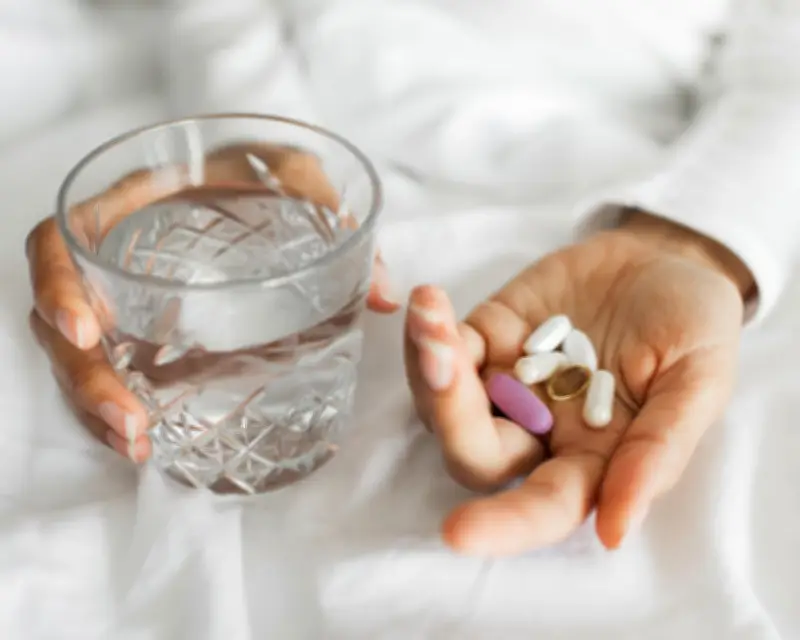
Social media misinformation about dietary supplements such as turmeric, St John's wort, and magnesium has become so pervasive that dispelling online claims is now a routine task for NHS clinicians. Two out of five frontline health workers encounter patients who raise inaccurate or misleading information about supplements at least once a week, according to polling by YouGov for the World Cancer Research Fund (WCRF). Among nurses and midwives, the figure rises to 53%. This false information is consuming precious time in NHS consultations, doctors report.
Health Risks from Unproven Supplements
The WCRF fears that patients' belief in unproven dietary regimes, vitamins, and minerals is endangering their health and increasing their risk of cancer. Dr. Philippa Kaye, a GP, said she sees the consequences of health misinformation weekly. Patients bring newspaper stories, social media screenshots, printouts from wellness websites, or saved TikTok videos to appointments. She noted a widespread belief that over-the-counter products labeled as natural or endorsed online are safe, while prescribed medicines are seen as toxic. 'As doctors, we know this simply is not true,' she added.
Hidden Risks of Popular Supplements
Kaye highlighted hidden risks in popular supplements. Liver injury can occur from turmeric supplements, St John's wort can interact with other medications, different types of magnesium can cause diarrhea, and various supplements can lead to itchy skin reactions. She stressed that if a supplement works, it contains active ingredients that may cause problems.
Cancer Prevention Action Week
The WCRF commissioned the survey of 795 NHS staff ahead of Cancer Prevention Action Week starting Monday. Cancer specialists are so concerned about public misunderstanding that for the next three years, activities will highlight the risks of misinformation. Steven Greenberg, WCRF UK director, noted that people believe dubious claims about diet and supplements, including advice that is distorted or taken out of context. He cited examples like horse wormers, apricot kernels (which can cause cyanide toxicity), and everyday items like sugar and vitamin C, all promoted with false promises about cancer prevention and cures.
Impact on Patients
Sharron Moffatt, diagnosed with breast cancer in 2024, became a campaigner against ill-founded claims after receiving an influx of opinions and suggestions. 'Almost overnight people were recommending everything from special waters and supplements to products claiming to boost recovery or even cure cancer,' she said. When she asked for evidence, she often found none, with promoters being influencers who gave vague or hostile responses. Moffatt noted that fear drives decisions, making miracle cures tempting.
Rachel White, an oncology dietitian, said misinformation is a challenging part of her job. Patients make changes to improve health but often do not realize the danger. It is common for cancer patients to use supplements to regain control, and she discusses research evidence, risks, and benefits with them.
Government Response
A government spokesperson urged people to seek advice from qualified health professionals before making decisions about diet, supplements, or treatment. 'Your health is too important to leave to social media and the internet,' they said. They called on social media platforms to act swiftly against misleading health content and encouraged users to report concerns following platform guidelines.
Need for Training
The WCRF survey also found many NHS staff feel ill-equipped to counteract mistaken beliefs in unorthodox therapies, such as eating superfoods or detoxing to reduce cancer risk. The charity urges ministers to use the forthcoming NHS long-term workforce plan for England to ensure staff receive training and access to trustworthy resources to tackle the emerging crisis of misinformation.




