
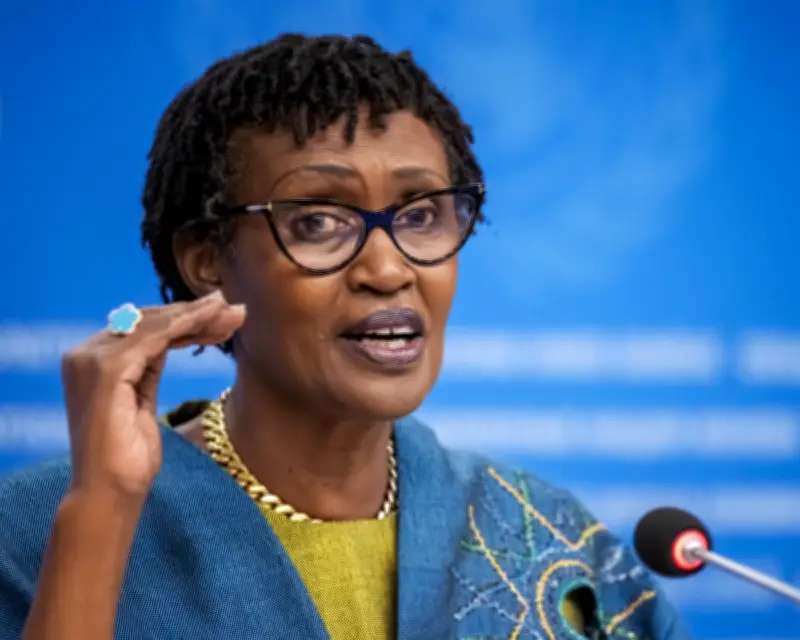
The head of UNAids has warned that a combination of funding cuts and increasing repression of human rights is making the resurgence of an HIV epidemic more likely. Winnie Byanyima, executive director of the UN agency, described the situation as the biggest disruption to the global HIV response since it was established, posing a major threat to progress achieved so far.
Record Lows but Rising Risks
Although annual new HIV infections and Aids-related deaths are at record lows, a new UN report highlights the significant risk of a resurgence without renewed commitment and action. In 2024, there were 570,000 Aids-related deaths and 1.2 million new HIV infections. However, amid an unprecedented 23% drop in aid spending, HIV testing fell sharply in 2025 in countries with the highest prevalence.
In one programme, testing declined by 22% compared to the previous year. Byanyima called this decline huge, explaining that people unaware of their HIV-positive status continue transmitting the virus, leading to more infections. She added that delayed or missed treatment could result in more deaths.
Prevention Services Hard Hit
Prevention services, including condom distribution and medication to prevent infection, have also been severely affected by aid cuts. These services were already underfunded, receiving only 11% of HIV spending in low- and middle-income countries in 2024. Byanyima noted that prevention funding is now disappearing entirely, while new domestic funding tends to focus on treatment rather than prevention. She predicted rising new infections and deaths from HIV-related illness in the coming years.
Repressive Laws and Civic Space
The report found that the number of countries with new or more restrictive laws against same-sex relations continues to increase, risking the undermining of decades of progress and pushing vulnerable people away from services. Byanyima also highlighted the damage from laws that reduce civic space, citing Uganda's sovereignty bill, which restricts external funding for civil society groups and their ability to operate.
Community-led organisations, which have been crucial in providing HIV services to vulnerable groups, are disappearing. A survey of 79 such organisations across 47 countries found an 85% reduction in services for men who have sex with men and an 82% reduction for sex workers, both groups at high risk of HIV.
Opportunities Amid Threats
Byanyima pointed to new prevention methods, such as the twice-yearly injectable drug lenacapavir, described as a miracle. However, these tools need to be deployed at a much larger scale to bend the curve. UNAids itself has been affected by funding cuts from the Trump administration, and the UN secretary general has proposed that the agency be sunset by the end of 2025. Byanyima said a working group will present proposals to the UNAids board in October, foreseeing a much smaller joint programme that is more dispersed within the UN but retains a central hub for global leadership.




