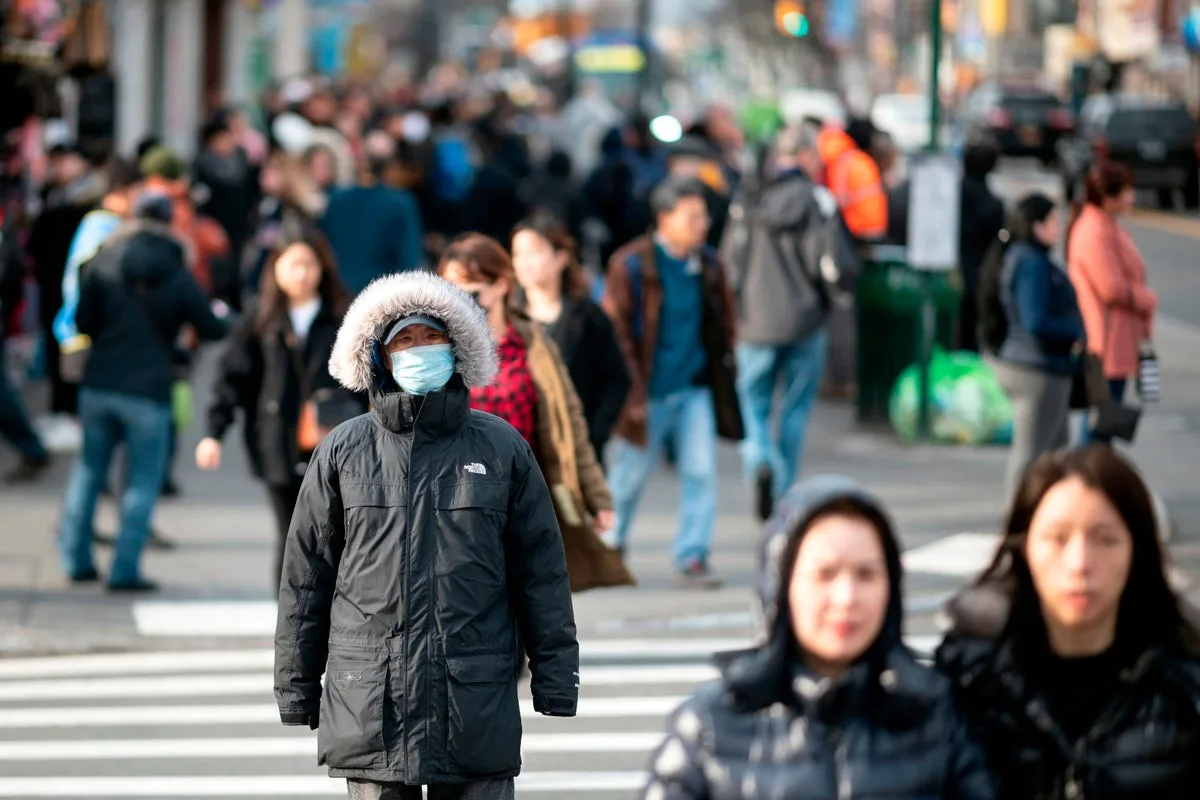
The number of child deaths from flu in the United States has risen to nine, with Ohio and Kentucky reporting their first paediatric fatalities of the season. An unidentified teenager in Greene County, Ohio, died following infection, while a child in Kenton County, Kentucky, who had not received this year's vaccine also passed away.
Health officials in both states stressed the importance of flu vaccination. Dr Bruce Vanderhoff, director of the Ohio Department of Health, said: 'It's not too late to get a flu vaccine. It could prevent you or your loved ones from getting seriously ill.' Dr Steven Stack of Kentucky's Department for Public Health called the death 'a heartbreaking reminder that the flu is not always a mild illness'.
The deaths come amid a severe flu season, with the US Centers for Disease Control and Prevention (CDC) estimating 7.5 million infections, 81,000 hospitalisations and 3,100 flu deaths nationally. Hospitalisations nearly doubled from 9,944 to 19,053 in the week to 20 December. Hot spots include Colorado, Louisiana, South Carolina and New York.

New York reported a record number of weekly flu cases before Christmas, up 38 per cent. State Health Commissioner Dr James McDonald said: 'We are seeing the highest number of flu cases ever recorded in a single week in New York State.' Colorado also reported a record 782 flu-related hospitalisations in the week ending 27 December, the highest since tracking began in 2004.
The majority of cases are due to the H3N2 strain of influenza A, which is associated with more hospitalisations and deaths in older people. The strain emerged after flu vaccines were finalised, raising concerns about vaccine effectiveness. However, experts emphasise that vaccination remains important to prevent serious illness.