

The World Health Organization (WHO) has officially confirmed the first death from the Nipah virus in Bangladesh this year, raising concerns about potential outbreaks in the region. This tragic incident underscores the ongoing threat posed by this zoonotic disease, which is known for its high mortality rate and severe neurological symptoms.
Details of the Confirmed Case
According to the WHO statement released on February 7, 2026, the individual succumbed to the virus after exhibiting classic symptoms associated with Nipah infection. Health authorities in Bangladesh are now conducting thorough contact tracing and surveillance efforts to identify and monitor anyone who may have been exposed to the infected person. The exact location and circumstances of the case have not been fully disclosed, but officials are urging heightened vigilance across the country.
Understanding the Nipah Virus Threat
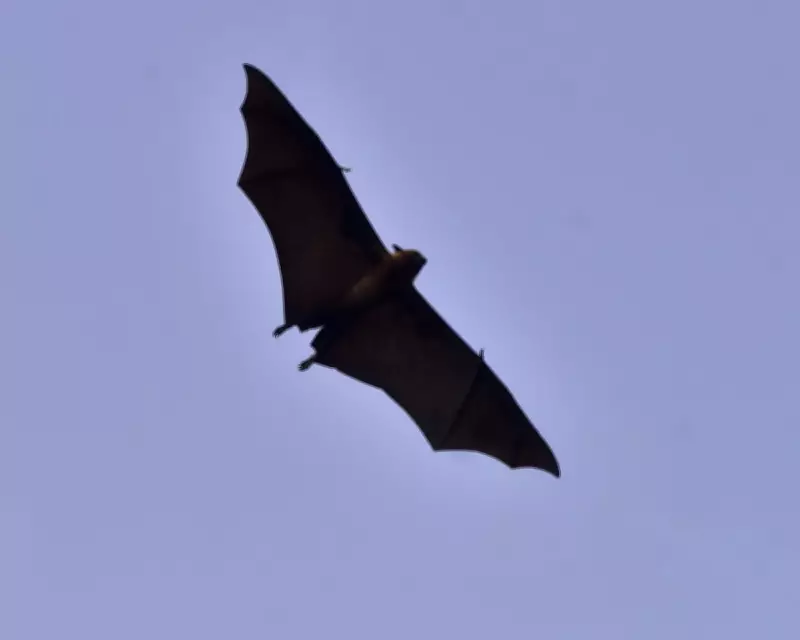
The Nipah virus is a serious public health concern, primarily transmitted from animals like fruit bats to humans, often through contaminated food or direct contact. Human-to-human transmission is also possible, particularly in close-contact settings such as households or healthcare facilities. Symptoms typically include fever, headache, drowsiness, and respiratory issues, which can rapidly progress to encephalitis and coma.

Previous outbreaks in Bangladesh and neighboring countries have highlighted the virus's potential to cause significant morbidity and mortality. The WHO emphasizes that early detection, isolation of cases, and strict infection control measures are critical to preventing larger-scale epidemics. Public health campaigns are being reinforced to educate communities on preventive practices, such as avoiding raw date palm sap and maintaining hygiene around bat habitats.
Global and Regional Implications
This fatality serves as a stark reminder of the need for robust global health surveillance and preparedness systems. The WHO is collaborating with Bangladeshi health officials to assess the risk of further spread and to implement containment strategies. While there is currently no specific antiviral treatment for Nipah virus, supportive care can improve survival rates, and research into vaccines and therapeutics is ongoing.
Health experts warn that climate change and deforestation may increase human-wildlife interactions, potentially elevating the risk of zoonotic spillover events like Nipah virus outbreaks. Continuous monitoring and international cooperation are essential to mitigate these emerging infectious disease threats and protect vulnerable populations worldwide.






