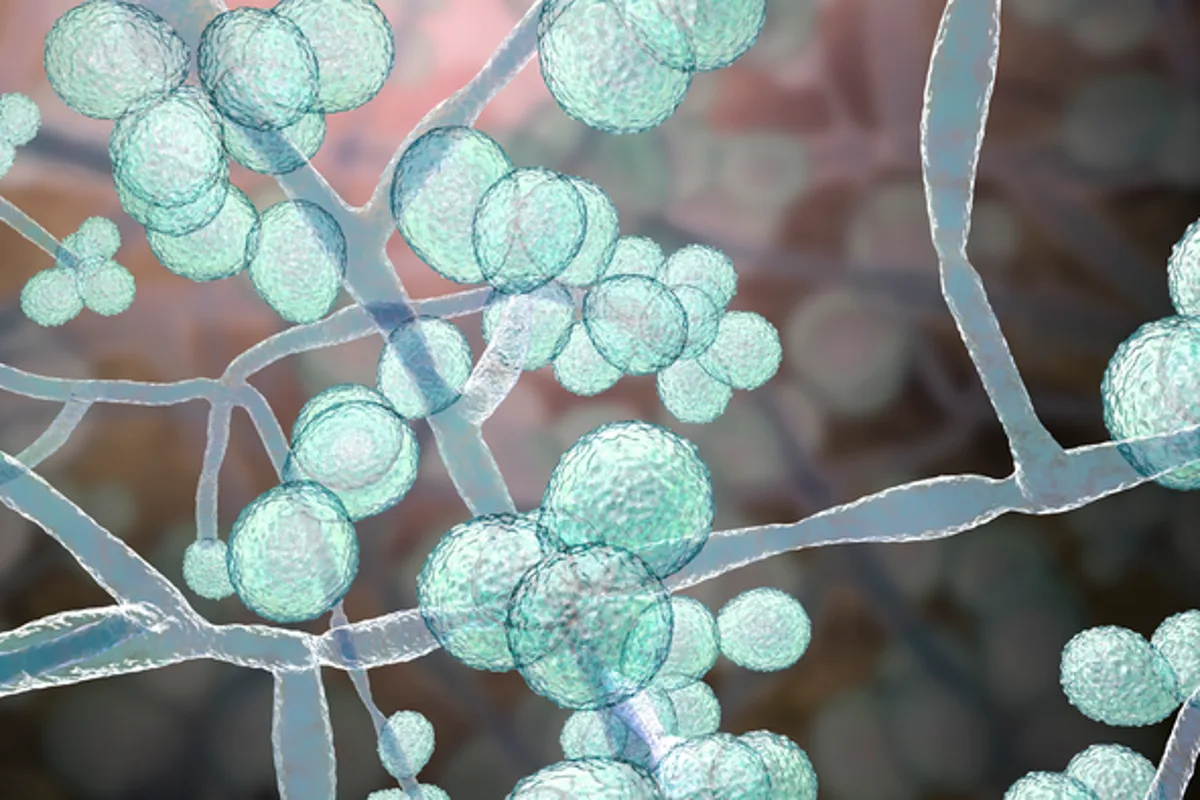
A drug-resistant strain of the fungus Candida auris is becoming more virulent and spreading worldwide, according to a new scientific review. The invasive yeast can cause deadly infections, particularly in individuals with weakened immune systems, and is associated with a mortality rate exceeding 50% even with antifungal treatment.
First identified in 2009 in a patient's ear canal in Japan, Candida auris has since been found in at least 61 countries across six continents. The review highlights several unique traits that enable its rapid spread, including its ability to switch from a yeast-like form to a filament-driven growth, enhancing drug resistance.
The fungus possesses cell wall proteins that allow it to adhere strongly to human skin, facilitating colonisation and transmission within healthcare settings. 'Skin colonisation by C auris is a significant medical concern because colonised patients may facilitate inter- and intra-hospital transmission,' the study notes.

Additionally, Candida auris has 'efflux pumps' on its cell membrane that expel antifungal drugs before they can take effect, and it forms slimy biofilm layers on surfaces, further hindering treatment. Misidentification of infections often delays appropriate therapy, the review warns.
The authors call for improved surveillance, especially in resource-poor countries, and the development of new antifungal agents. Three drugs currently in clinical trials may soon become available to treat this emerging global health threat.