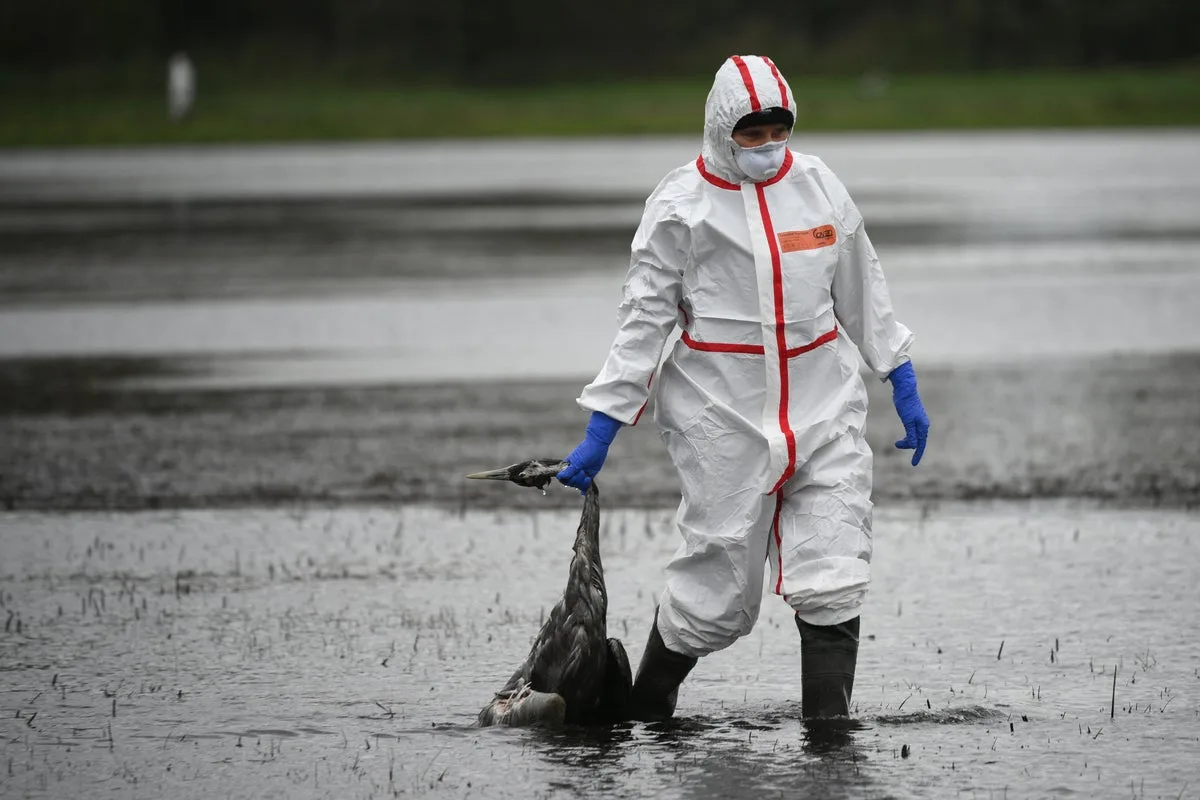
Researchers in India have developed a computer model that suggests authorities would have only about two days to contain a mutated bird flu virus before it could spark a human pandemic. The study, conducted by scientists at Ashoka University, used a simulation called BharatSim to model how the H5N1 virus could spread from birds to humans and then between people.
The simulation focused on the Namakkal district in south India, a major poultry hub with over 1,600 farms, and modelled interactions among nearly 10,000 individuals. It assumed the virus first jumps from birds to people working on farms or in wet markets, then spreads to family members and broader contacts. The model found that quarantining infected individuals was the most effective measure, but only if implemented when the number of cases was as low as two.
Once the virus begins spreading to tertiary contacts—estimated to occur after just two days—the outbreak could quickly become uncontrollable. Culling of birds was also effective, but only if carried out within 10 days of detection. Delayed culling dramatically increased the risk of human infections.

The researchers noted that early intervention is critical: “It is in the very early stages of an outbreak that control measures make the most difference. Once community transmission takes over, cruder public health measures, such as lockdowns, compulsory masking, and large-scale vaccination drives are the only options left.”
Europe is currently experiencing an unprecedented spread of highly pathogenic avian influenza, leading to the culling of hundreds of millions of birds and disruptions to food supplies. While human infections remain rare, scientists have warned that potential mutations could make H5N1 a top candidate for causing a future pandemic.