

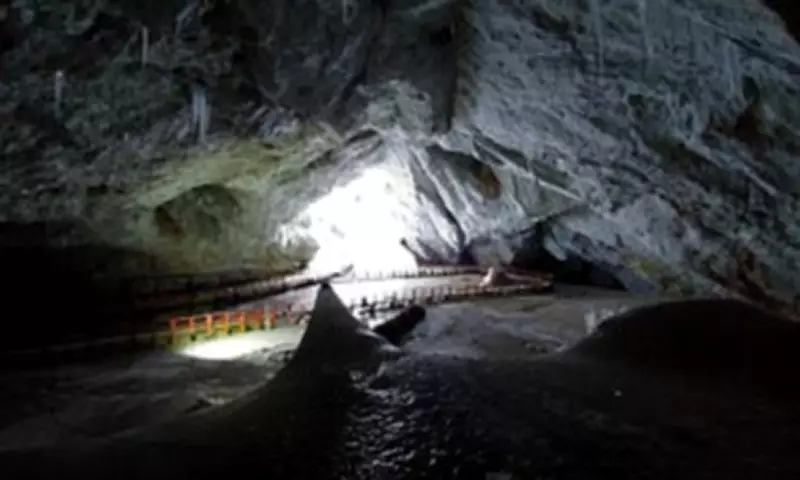
Ancient Ice Cave Bacteria Poses Pandemic Threat with Antibiotic Resistance
Scientists have issued a stark warning that the next pandemic could originate from an ancient underground ice cave, following the discovery of a bacterial strain frozen for 5,000 years in Romania's Scarisoara Ice Cave. Researchers from the Romanian Academy extracted a sample of this bacteria and subjected it to rigorous testing against 10 common antibiotics, including those used to treat tuberculosis, colitis, and urinary tract infections. Alarmingly, the results revealed that the strain, despite its ancient origins, is already resistant to all 10 antibiotics, highlighting a significant and growing global health concern.
Genomic Analysis Uncovers Resistance Genes and Unknown Functions
The research team, led by Dr. Cristina Purcarea, conducted a detailed genomic sequencing of the bacterial strain, identified as Psychrobacter SC65A.3. They found over 100 genes related to antibiotic resistance, along with 11 genes that have the potential to kill or inhibit the growth of other bacteria, fungi, and viruses. Additionally, nearly 600 genes with unknown functions were uncovered, suggesting that this superbug may harbor novel biological mechanisms that could further complicate medical responses. Dr. Purcarea emphasized that if melting ice releases these microbes, their resistance genes could spread to modern bacteria, exacerbating the worldwide challenge of antibiotic resistance.
Methodology and Environmental Adaptations
To understand how bacteria adapt to cold environments, the team drilled a 25-metre ice core from the Scarisoara Ice Cave's 'Great Hall,' representing 13,000 years of history. The ice fragments were carefully placed in sterile bags and kept frozen during transport to the laboratory to prevent contamination. There, various bacterial strains were isolated and sequenced to identify the genes enabling survival in icy conditions. Psychrobacter SC65A.3, a strain from a genus known to cause infections in humans and animals, was the most notable find. When exposed to 28 antibiotics from 10 classes commonly used in human medicine, including trimethoprim, clindamycin, and metronidazole, the bacteria showed resistance to all, underscoring its dangerous potential.

Implications of Climate Change and Global Health Risks
As global temperatures continue to rise, the likelihood of this bacteria escaping the ice becomes increasingly realistic, posing a direct threat to public health. The researchers warn that while most pandemics have historically been caused by viruses, antibiotic-resistant bacteria like this one could spark the next major outbreak. Dr. Purcarea stressed the importance of careful handling and stringent safety measures in laboratories to mitigate the risk of uncontrolled spread. This discovery adds to growing concerns about climate change facilitating the release of ancient pathogens, as highlighted by previous studies on viral spillover in the Arctic, where melting glaciers could transport viruses to new hosts and environments.
In summary, the findings from the Scarisoara Ice Cave serve as a critical reminder of the hidden dangers locked in Earth's frozen regions. With antibiotic resistance already a pressing global issue, the potential release of such ancient, resistant bacteria could have devastating consequences, urging immediate action in both climate policy and medical research to prevent future pandemics.






