Omelettes are a classic comfort food, but achieving the perfect soft and creamy texture can be tricky. Overcooked omelettes often turn tough and dry. In a quest to perfect the art, advice from numerous chefs and culinary experts revealed one common piece of wisdom: thoroughly whisk the eggs before they hit the pan.
Henry O'Connor, an egg connoisseur and founder of Better Eggs, a UK-based company, explained that well-whisked eggs result in a lighter, airier texture. He said: 'A well-whisked mixture introduces air, creating the light, fluffy texture that separates a great omelette from a flop.' He also stressed seasoning the eggs at this stage to ensure flavour permeates throughout.
When cooking, O'Connor recommends medium-low heat and butter rather than oil. 'Melt until foamy, then pour in the eggs,' he advises. For fillings, he suggests keeping things balanced: 'A sprinkle of cheese, a handful of fresh spinach, a few sautéed mushrooms or a dash of hot sauce. Too much filling and your omelette becomes a mess, rather than a masterpiece.'
Chef José Pizarro, known as the 'Godfather of Spanish cuisine in the UK', champions gentle whisking to achieve a smooth, natural texture. He said: 'I whisk the eggs briefly, just enough to break them up. I like the texture, silky and natural, no over-whisking.' He also shared his 'lazy omelette' method, which avoids folding: simply slide the cooked omelette onto a plate.
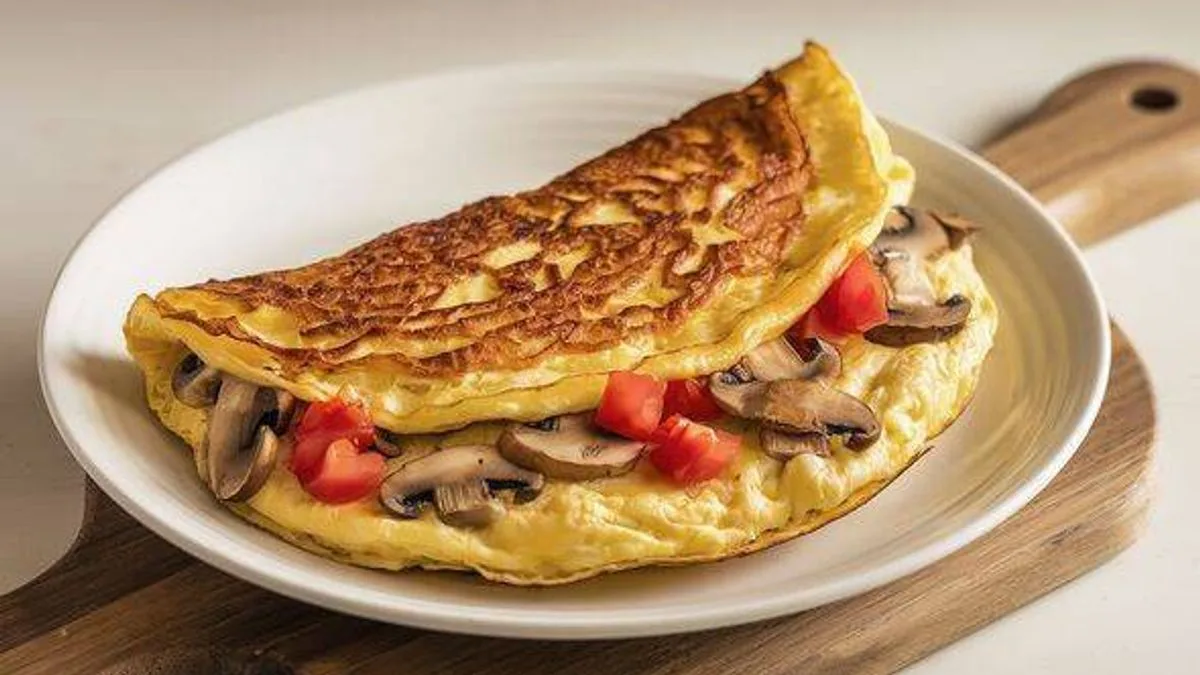
Sergio Martino, head chef at The Wesley in London, recommends a gentle whisk until smooth but not overly frothy. His recipe for a mushroom omelette with Parmesan involves sautéing mushrooms, whisking eggs gently, cooking on low heat, adding cheese just before setting, then folding and serving immediately. He suggests keeping it simple to highlight fresh flavours.