
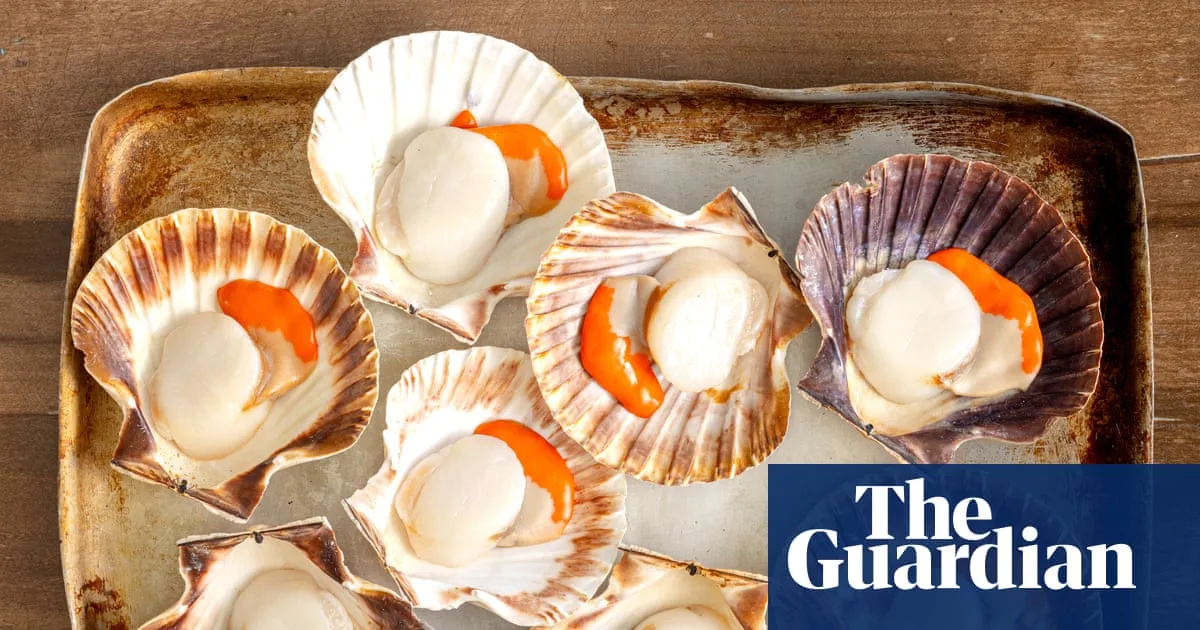
For a nation surrounded by water, Britain’s seafood tastes are remarkably parochial – we mostly eat cod, haddock, salmon, tuna and prawns. But with a huge range of species out there, making the decision to swap the “big five” for more sustainable options could be a good new year resolution to aim for. Here are five species to consider – and if you’re worried these won’t taste as good as cod and chips, we’ve rounded up a selection of top chefs to tell you how to make the best of what could be on your plate in 2026.
Why are they sustainable? Most mussels are grown on ropes in the sea, limiting damage to the wider oceanic environment. They can purify the water and improve biodiversity. Delicious, versatile, easy to cook and comparatively cheap, mussels are “so underrated, they go with just about everything”, says Jack Stein, chef director at Rick Stein Restaurants. A quick steam or simmer in stock or sauce, about three to four minutes, is enough, and Stein likes a traditional moules marinière with shallots, garlic, parsley and white wine. He also recommends another French classic, moules mouclade – a sauce made with onion, garlic, saffron, curry powder, creme fraiche and a sprinkling of parsley to finish.
Hake populations have benefited from an EU-wide recovery plan, and many hake netting boats use acoustic pingers, reducing the risk of accidentally catching cetaceans, says Matt Slater, marine conservation officer at Cornwall Wildlife Trust. Opt for gill-net caught hake that is Marine Stewardship Council (MSC) certified and avoid cape hake, which has poorer sustainability ratings, says Kerry Lyne, good fish guide manager at the Marine Conservation Society. Hake is a meaty white fish with less flaky flesh than cod and haddock. It is an excellent alternative, one which fish-and-chip-shop owners are increasingly considering, and can be baked in the oven for about 10 minutes or added in chunks to fish soups and curries.
There are healthy stocks of monkfish around much of the UK, particularly in Cornwall and the North Sea, with catches limited by quota. According to Lyne, North Sea monkfish caught in nets is the best option. Monkfish was once so cheap and underappreciated it was used for cat food and passed off as scampi. Things have changed – it is now a premium fish, and while its livers may be a delicacy, the tail and cheeks are easiest to prepare at home. Firm and succulent, its meat stands up to almost any method of cooking, from stir-frying to steaming, roasting to barbecuing. It takes on flavours well, from bold Korean-style marinades to punchy curries.




