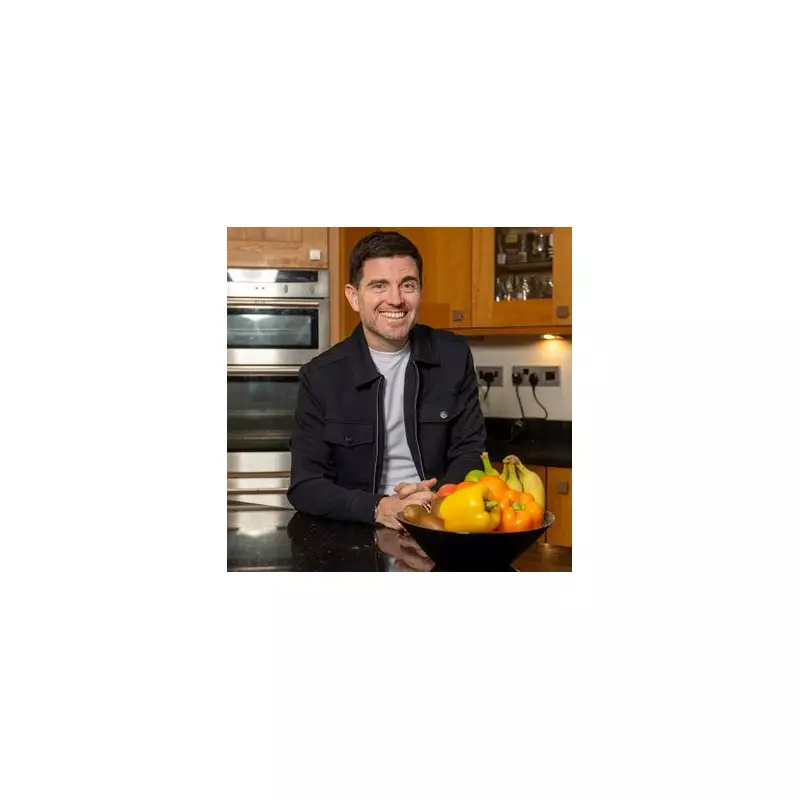
Two years ago, I made a decision that fundamentally altered my life: I stopped eating ultra-processed food (UPF). At the age of 44, feeling sluggish and bloated after the festive season, I was primarily motivated by a desire to lose weight and boost my energy. Little did I know this change would become a permanent and enjoyable part of my lifestyle, devoid of calorie counting or unrealistic restrictions.
What Counts As Ultra-Processed Food?
Our hectic schedules and tight budgets often dictate our shopping habits, a reality food corporations expertly exploit. They use advanced science to create hyper-palatable products that are difficult to stop eating. Common UPFs include packaged bread, breakfast cereals, flavoured yoghurts, biscuits, crisps, energy bars, fizzy drinks, and ready meals.
I used to think my daily granola and fruity yoghurt breakfast was healthy. In truth, it was loaded with added sugar and industrially-produced ingredients. A simple rule from Dr Chris Van Tulleken, a leading expert on the subject, helps identify UPF: "If it's wrapped in plastic and it contains at least one ingredient that you don't typically find in a domestic kitchen, then it's ultra-processed food."

Watch out for ingredients like emulsifiers, stabilisers, flavour enhancers, and maltodextrin. Be equally wary of bold health claims on packaging. As epidemiologist Professor Tim Spector notes, it's the addition of these industrial ingredients that transforms a simple food into an ultra-processed one.
The Four Transformative Benefits I Discovered
1. Sustainable Weight Loss Without Dieting
The most visible change was in my weight. In the first year, I lost a stone and a half, dropping from 11.5 stone to 10 stone, where it has largely stayed. I eat plenty of calories and fat—often over 100g of fat a day—but from healthy sources like nuts, avocado, and olive oil.
This aligns with research. A recent clinical trial found people on a UPF-heavy diet consumed about 500 more calories daily than those on an unprocessed diet, leading to rapid weight gain. In his own experiment, Dr Van Tulleken gained a significant amount of weight in just one month when 80% of his diet was UPF.
2. A World of New Flavours and Foods
Far from being a restrictive chore, eliminating UPF opened up a new culinary world. My weekly shop is now filled with foods I rarely ate before: chickpeas, kale, lentils, butter beans, and an array of nuts and seeds. I aim to eat at least 30 different plants each week—including herbs, spices, and coffee—to boost my gut microbiome diversity. After a year of this, my Zoe gut health score was an impressive 93 out of 100.
My meals are now simple and satisfying. Breakfast is Greek yoghurt with nuts, seeds, and berries. Lunch might be lentils with vegetables and homemade hummus. Dinner often features fish with butter beans, onions, and lemon.
3. Improved Exercise Performance
Interestingly, I haven't increased how often I exercise. I still run once or twice a week and do a couple of gym classes. However, my performance has soared. I've repeatedly broken my personal bests for the half marathon and 10K, taking a staggering 25 minutes off my best half marathon time. The improved quality of my fuel has clearly enhanced my body's capacity.
4. Empowerment Through Knowledge
My initial goal was better health, but a powerful new motivation emerged: reclaiming control from food corporations. I learned how immense resources are spent on marketing and food science designed to manipulate us into eating more, from addictive mouth-feel to clever packaging. I now draw satisfaction from not being part of that cycle, a sentiment echoed in Van Tulleken's essential book, Ultra-Processed People.
How to Start Reducing UPF In Your Diet
Beginning is easier than it sounds. Focus on adding in whole foods rather than just cutting things out. Stock your cupboard with tins of beans, lentils, and bags of nuts. Read labels diligently. You can still enjoy sweet treats by opting for dark chocolate (85% cocoa or more) or making your own snacks, like bars from dates and nut butter.

Remember, perfection isn't the goal. Even experts like Prof Tim Spector admit to enjoying the occasional packet of crisps. Organisations like Zoe suggest simply aiming for UPF to constitute less than 15% of your overall diet. The key is consistent progress, not stressing over the odd meal out or burger.
Cutting out ultra-processed food has been a revelation. It's a sustainable, enjoyable change that has yielded profound benefits for my weight, my health, and my sense of wellbeing. I can't imagine ever going back.