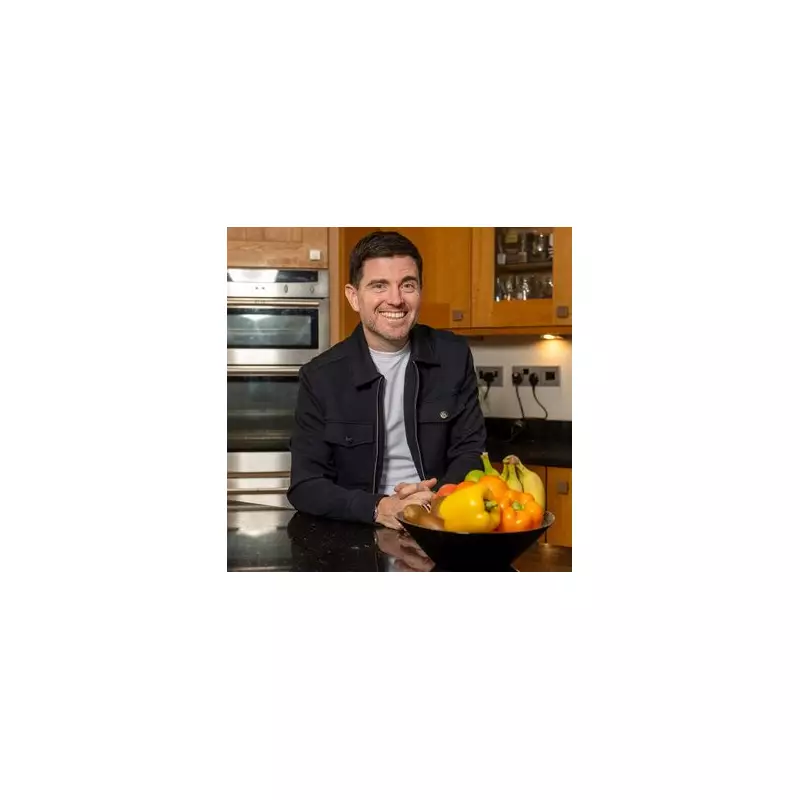
Two years ago, Steffan Rhys, then 44, made a radical change to his diet. Feeling sluggish and bloated after the festive period in early 2024, he decided to eliminate ultra-processed food (UPF) and largely cut out added refined sugar. What began as an attempt to lose weight and boost energy has become a permanent lifestyle shift, with benefits he never anticipated.
The Four Major Ways Life Improved
Perhaps the most visible change was significant weight loss. In the first year, Rhys dropped from 11.5 stone to 10 stone—a loss of one and a half stone—and has maintained that weight since. He notes feeling more comfortable in his own skin and has even had to replace clothes that became too large. This aligns with scientific findings; a recent clinical trial showed people on a UPF-heavy diet consumed about 500 more calories daily than those on an unprocessed diet, leading to weight gain.
A New World of Flavour and Food
Far from feeling restrictive, the new diet opened up a world of culinary discovery. Foods that rarely featured on his shopping list, like chickpeas, kale, butter beans, lentils, and nuts, now form the bulk of his meals. Rhys emphasises he eats a high-fat diet, often exceeding 100g of fat daily, but focuses on healthy fats from nuts, avocado, and extra virgin olive oil. He no longer fears dietary fat, understanding that the unhealthy fats and added sugars in UPFs are the real issue.

His daily meals reflect this shift:
Breakfast: Typically Greek yoghurt with a mix of nuts, seeds, and fruit, occasionally with dark chocolate or honey.
Lunch: Often lentils with vegetables and homemade hummus, or avocado on wholemeal sourdough at weekends.
Dinner: Usually fish like salmon or cod served with butter beans flavoured with onions, mint, and lemon.
Snacks: Dark chocolate, nuts, fruit, or homemade snacks like date and nut bars.
Enhanced Exercise Performance
Interestingly, Rhys did not increase his exercise frequency. He maintains a routine of running once or twice a week and one or two weekly gym classes. However, his performance improved dramatically. In the last two years, he has repeatedly broken his personal bests for the half marathon and 10K, shaving an impressive 25 minutes off his best half marathon time.
Understanding and Avoiding Ultra-Processed Food
Rhys's initial motivation was personal health, but it evolved into a desire to avoid corporate manipulation. He learned how food companies use advanced science to create hyper-palatable products that are difficult to stop eating, from engineered mouthfeel to clever packaging and health claims.
To identify UPF, he follows the guidance of experts like Dr Chris Van Tulleken: "If it's wrapped in plastic and it contains at least one ingredient that you don't typically find in a domestic kitchen, then it's ultra-processed food." Key giveaway ingredients include emulsifiers, stabilisers, flavour enhancers, and maltodextrin.
Common UPFs include packaged bread, breakfast cereals, flavoured yoghurt, biscuits, crisps, ready meals, and fizzy drinks. Rhys was shocked to learn his daily granola and flavoured yoghurt breakfast was laden with added sugar and UPF ingredients.
The 30-Plants-a-Week Rule
A cornerstone of his approach is eating at least 30 different plants each week. This targets gut microbiome health, which experts link to overall wellbeing. "Plants" includes fruits, vegetables, legumes, grains, nuts, seeds, herbs, and spices. After 12 months of this diet, Rhys's gut microbiome score with the Zoe programme was 93 out of 100.
This high-plant focus naturally increases fibre intake, which most people in the UK fall short of. Rhys stresses the diet is sustainable because it's enjoyable and doesn't involve calorie counting or starvation.
Why Ultra-Processed Food is a Problem
Scientists highlight multiple concerns with UPF. They are typically high in calories, unhealthy fats, refined sugar, and salt while being low in nutrients like fibre. The industrial processing alters the food's natural structure (the food matrix), which may change how our bodies respond, potentially increasing risks for conditions like heart disease and cancer.

Professor Carlos Monteiro of the University of Sao Paolo has called UPF the leading cause of obesity, linking it to inflammation, hypertension, and various metabolic diseases. Dr Chris Van Tulleken's own experiment, where 80% of his diet was UPF, led to dramatic weight gain—a trajectory that would have seen him double his body weight in a year.
Rhys concludes that perfection isn't necessary. Even advocates like Zoe suggest keeping UPF intake below 15% of your diet. He occasionally enjoys a burger when eating out and doesn't stress over small slips. The key, he says, is overall progress. After two years, the changes are ingrained, and for him, there's no going back.