An Australian woman has given a shocking first-hand account of life inside one of China's notorious state-sponsored 'fat prisons', describing a 28-day regimen of strict lockdown, sleep deprivation, and gruelling exercise that ultimately landed her in hospital.
The Gruelling Regime Behind Locked Gates
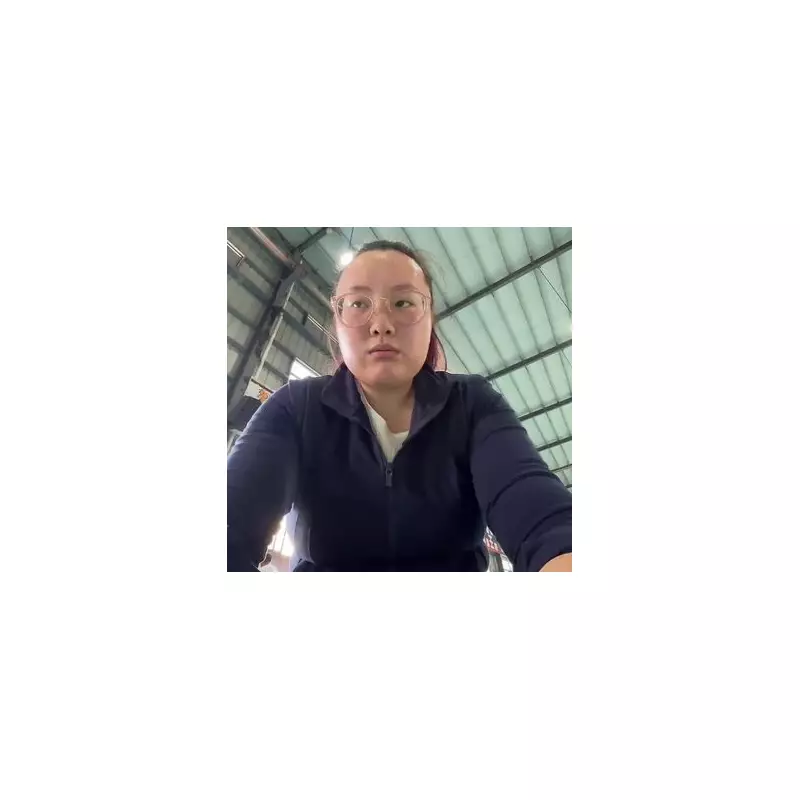
TL Huang, an expat, voluntarily checked into the rigorous facility in Guangzhou, China, on her mother's advice after her weight increased due to a diet of takeaways. She quickly discovered her entire existence would be micromanaged. The camp, secured by tall concrete walls, steel gates, and electric fencing, is patrolled by 24/7 security, with no one permitted to leave without a valid reason.
"You're not allowed to leave the area without valid reasons, you may live with bunk mates, every day is regimented and controlled," Huang explained in a social media video. "The gate is closed 24/7 and you can't sneak out." Inmates sleep in cramped dormitories on bunk beds, and all unhealthy foods like instant noodles are confiscated on arrival.

Weigh-Ins, Exhaustion, and a Hospital Dash
The daily schedule was relentless. Huang faced forced weigh-ins twice a day and was required to complete four hours of intense exercise. Meals were small, strictly controlled portions of dishes like prawns with vegetables, chilli steamed fish, and braised chicken. She even had to weigh her lunch to track calorie intake.
After three weeks of this exhausting routine, Huang's body gave out. She was struck down with flu and a 39°C fever, which led to her being hospitalised. "I have less energy to keep exercising for four hours. Now I am sick and miserable and have no energy," she told her followers at the time.
A National Crisis and a Personal Result
These extreme camps exist against the backdrop of a severe public health issue in China. Latest data shows over half of the country's 1.22 billion adults are classified as overweight or obese, with a National Health Commission report estimating this could rise to two-thirds by 2030. Participants pay hundreds of dollars for the programmes, with Huang spending $600 (approximately £298) for her 28-day stay, covering accommodation, food, and workouts.
Despite the ordeal, Huang stated she has no regrets. She acknowledged the stark contrast to her previous life of irregular hours and food delivery meals. "It was a good deal for me because the cost was cheaper than my rent in Melbourne," she said, adding that she wanted to lose weight and rebuild better habits.
By the end of the four-week camp, TL Huang had lost 6kg. She described the experience as ultimately "liberating and rewarding" for completing a personal challenge. "I do agree that the fat camp may seem really intense, but personally, stepping out of that camp felt liberating," she reflected. "It's all about perspective... it's the habits, routine and knowledge you build from there that will help you keep going forward."