
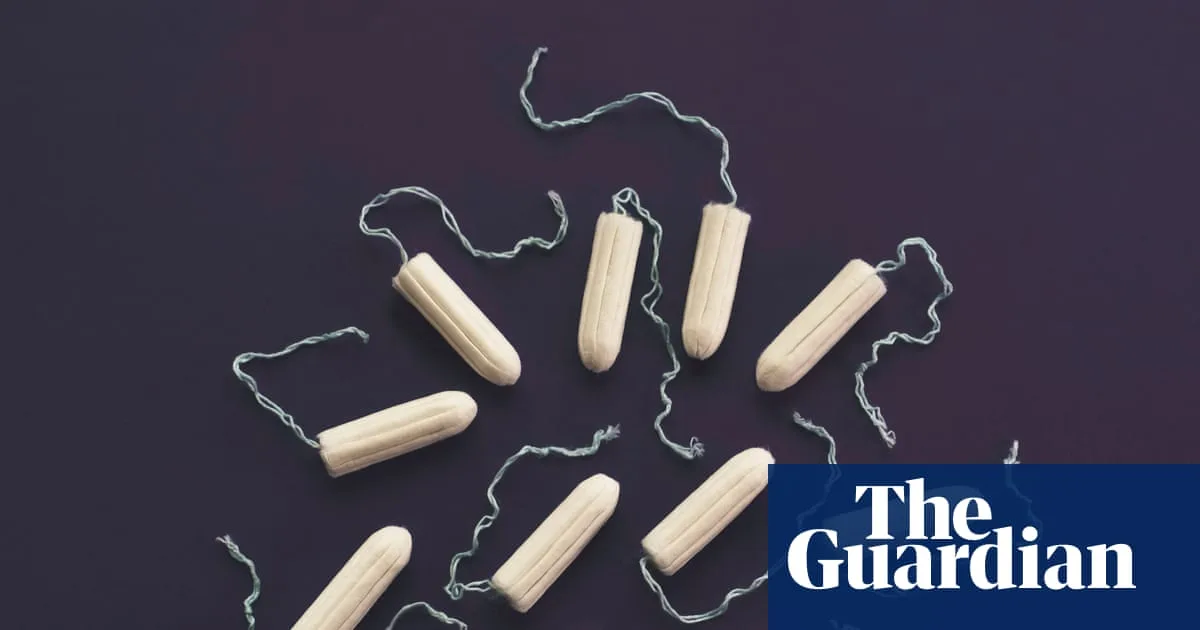
Glyphosate, a pesticide linked to cancer, has been detected in tampons sold in the UK at levels 40 times higher than the legal limit for drinking water, according to a report by Pesticide Action Network UK (Pan UK), the Women’s Environmental Network and the Pesticide Collaboration.
Testing of 15 boxes of tampons from UK retailers found glyphosate in one box at 0.004 mg/kg, compared with the UK and EU maximum residue level for drinking water of 0.0001 mg/kg. The chemical, classified as “probably carcinogenic to humans” by the World Health Organisation’s International Agency for Research on Cancer, enters the bloodstream directly when absorbed through the vagina, bypassing the body’s detoxification systems.
Experts warn that current regulations do not address chemicals in period products despite previous studies finding heavy metals such as lead and arsenic. Josie Cohen, interim director at Pan UK, said: “We were genuinely shocked to find glyphosate in tampons sitting on UK shelves. We urgently need to reduce our overall toxic load.”
The contamination is thought to originate from cotton production, which relies heavily on pesticides. Glyphosate, also used by councils in streets and parks, has been banned or restricted in several countries but remains widely used in UK agriculture. The report calls for mandatory testing and regulation to ensure period products are pesticide-free.
Amy Heley from the Pesticide Collaboration said: “If this level of glyphosate is deemed unsafe in drinking water, why is it allowed in period products? Most people remain completely unaware this is even an issue.”




