From Surfing Waves to Navigating a Wheelchair: Erica's Story
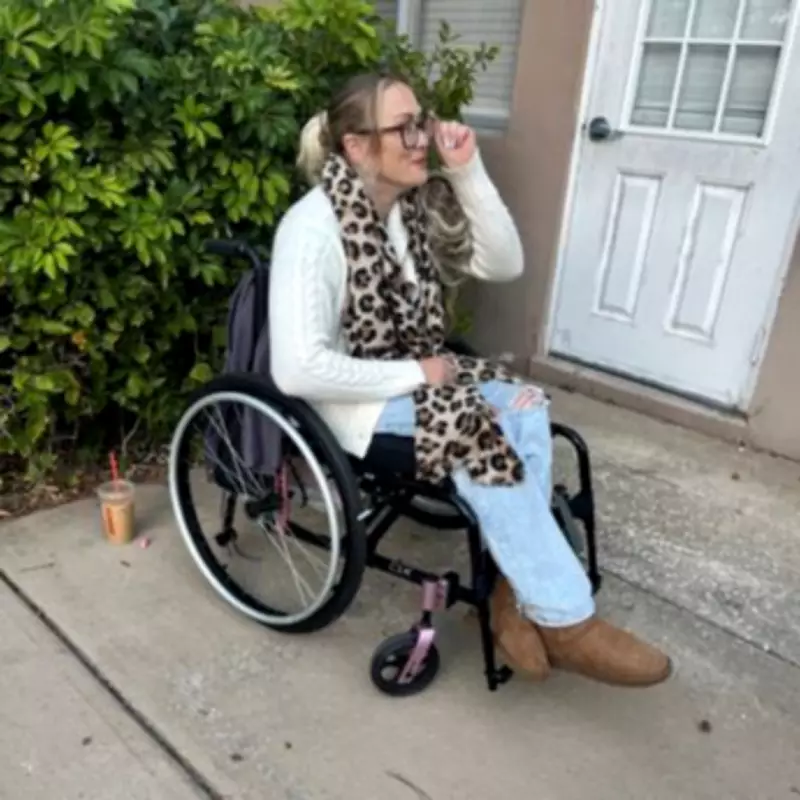
Erica Mays once spent her days riding ocean waves, dancing with abandon, and coaching young gymnasts. Today, at just 36 years old, she resides in a nursing home, her life irrevocably altered after waking up one morning unable to feel her legs. A severe spinal infection left her paralysed from the chest down, transforming her world from one of motion to immobility.
A Downward Spiral and a Devastating Diagnosis
Erica's journey to this point was fraught with personal challenges. Beginning work at 16 as a gymnastics coach, she eventually climbed to assistant manager at an Italian restaurant. "I had the keys, I was doing money drops, I was doing really good," she recalls. However, struggles with sobriety led to a downward spiral, culminating in homelessness. "I was living under a bridge on a piece of styrofoam," she says, unaware an infection was spreading through her spine.
In the days before her paralysis, she became gravely ill with fevers and chills. After forcing herself to walk nearly two miles to a hotel, she finally rested. "I had a shower, a bed, food, and I slept so well that night," she remembers. By morning, she could not feel her legs. Rushed to hospital, scans revealed a two-inch abscess compressing her spinal cord—a rare condition that causes permanent paralysis if not treated swiftly.

The Harsh Reality of Life After Paralysis
Doctors operated immediately, but the damage was done. Diagnosed with a T6 spinal cord injury caused by MRSA spreading to her spine, Erica was paralysed. With no savings, unstable housing, and strained family relationships after years of addiction, a nursing home became her only option. "At 36, I'm surrounded by people decades older than me," she notes. "I'm one of the youngest here, and people don't expect someone my age to be in a place like this."
Her initial facility offered minimal therapy, leading to her lowest point, including two suicide attempts. She also developed a severe, bone-deep wound that festered for eight months. After moving to a new facility two years ago, her condition improved. "Within a month of being here, my wound finally healed," she says. She quit smoking, focused on nutrition, and began regaining strength, learning to transfer from her wheelchair and manage daily tasks.
Emotional Struggles and a Newfound Purpose
The physical demands are immense—"My wheelchair is my legs now," she states—but the emotional toll is equally heavy. Loss of privacy and shattered confidence have been profound. "I used to love dancing, now I feel silly trying," she admits. Yet, her faith has sustained her. "I gave it to God and said, 'Use me however you need to.'"
Recently, Erica began sharing her journey on TikTok, finding unexpected inspiration and support. "For the first time in my life, I feel like I'm doing something right," she says. Looking ahead, she dreams of a home, reconnection with her daughter, and becoming an advocate for nursing home residents. Her message to others facing life-altering diagnoses is clear: "This is not the end. It's going to get really hard, but it can still be worth it. I lost everything once. But I'm still here—and I'm not done yet."