Oil Markets React Sharply to Escalating US-Iran Tensions
Global oil prices experienced a significant surge late on Sunday following serious accusations from Iran that the United States had broken a ceasefire agreement that had been in place since early April. The dramatic escalation in energy markets came directly in response to military actions in the strategically vital Gulf of Oman region.
Price Spikes and Market Volatility
America's benchmark oil contract, West Texas Intermediate (WTI), recorded a substantial increase of 7.5%, reaching $90.17 per barrel by 8pm Eastern Time. Meanwhile, the international oil benchmark, Brent North Sea crude, gained 6.5% to trade at $96.27 per barrel. These dramatic price movements reflect growing market anxiety about potential disruptions to global energy supplies.
Naval Confrontation in the Gulf
The immediate catalyst for the market turbulence was a serious naval incident involving the destroyer USS Spruance. On Sunday, the American warship fired upon an Iranian-flagged cargo vessel in the Gulf of Oman after the merchant ship attempted to evade an established US naval blockade. Iran's military leadership has since vowed to respond to what they characterize as an aggressive American action.
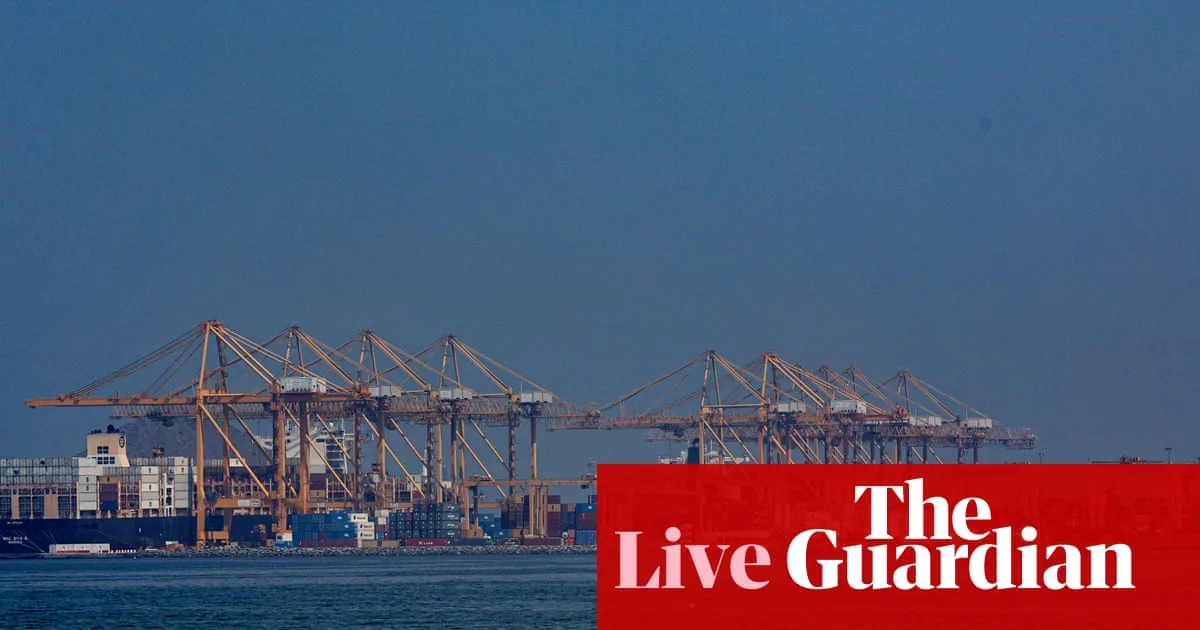
The Strait of Hormuz, which serves as a critical conduit for approximately one-fifth of the world's oil and significant volumes of liquefied natural gas, has remained virtually closed since the beginning of the US-Israeli conflict with Iran. This strategic waterway's continued closure represents a major threat to global energy security and market stability.
Political Fallout and Diplomatic Tensions
Former President Donald Trump announced on Sunday that US military forces had taken custody of an Iranian-flagged container ship that attempted to bypass the American blockade near the Strait of Hormuz. This development further complicated already tense diplomatic relations between the two nations.
Iranian state media reported on Sunday evening that Tehran currently has no plans to participate in new talks with the United States. This announcement came just hours after Donald Trump revealed he was dispatching negotiators to Islamabad, creating a confusing diplomatic landscape with conflicting signals from both sides.
Energy Secretary's Concerning Forecast
When questioned by CNN's Jake Tapper about when Americans might realistically expect gasoline prices to return below $3 per gallon, Energy Secretary Chris Wright offered a sobering assessment. "I don't know," Wright stated. "That could happen later this year. That might not happen until next year." His comments suggest that consumers should prepare for potentially extended periods of elevated fuel costs.
Domestic Political Reactions
The escalating international situation has generated significant domestic political commentary. Senator John Kennedy of Louisiana, traditionally a strong supporter of Trump and the conservative movement, publicly criticized the former president's approach during a Fox News interview. "I love the president like a taco," Kennedy remarked, employing an unusual turn of phrase. He continued, "I don't always agree with him, but I think he wants a better world. But I don't agree with him about this new holy war with the pope."
Pope Leo XIV addressed the growing tensions on Saturday, clarifying that he had no interest in debating Donald Trump about the Iran conflict. "It was not in my interest at all," the pontiff stated, while reaffirming his commitment to promoting messages of peace through gospel teachings.
Analytical Perspectives on Strategic Implications
Political analysts have noted that Donald Trump's decision to dispatch US officials to Islamabad for further negotiations with Iran, coming just twenty-four hours after Iran once again closed the Strait of Hormuz, sends a potentially confusing signal to Tehran. This move suggests that Washington views the strategic waterway as a bargaining asset of unparalleled importance, creating a complex diplomatic chess game with significant global implications.
Additional National Developments
Beyond the international energy crisis, several significant domestic events unfolded across the United States. In a tragic incident in Shreveport, Louisiana, at least eight children were killed and two adults wounded in what police described as a domestic violence situation. Authorities reported that the suspect killed seven of his own children and wounded their mother, while also taking the life of another child.
Political divisions have emerged in Virginia regarding upcoming redistricting votes, creating uncertainty in a key swing state just five months after voters elected Democratic Governor Abigail Spanberger and provided her allies with a substantial majority in the legislature's lower house.
Severe weather also impacted wide areas of the country over the weekend, with destructive winds and reported tornadoes causing significant damage to homes and buildings, tearing off roofs, uprooting trees, and leaving rural roads impassable due to debris.