Stroke Survivor's Unusual Symptom: Inability to Read Words
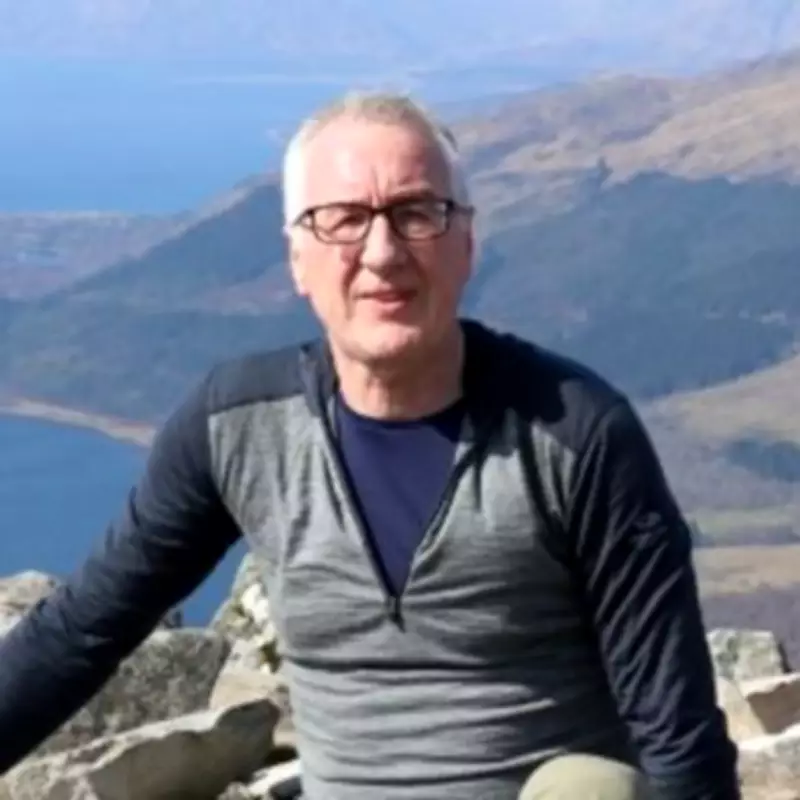
A stroke survivor from Scotland is urging the public to be vigilant about uncommon symptoms after his only sign of a potentially deadly brain bleed was an inability to read written words. Gordon Robb, a 63-year-old former vice-president of a biotech company from Bonnyrigg in Midlothian, experienced a haemorrhagic stroke in September last year without displaying any of the typical red flags such as facial weakness, arm weakness, or speech problems.
The Uncommon Warning Signs
Instead of the classic symptoms, Mr Robb found that words appeared as though they were written in a foreign language. This affected everything from emails and text messages about the Ryder Cup to the screen of a cash machine. Initially, he attributed the issue to fatigue from staying up late the previous night and planned to make a routine GP appointment. However, his cousin, whose husband had died from a sudden stroke just three weeks earlier, insisted on an immediate visit to Accident and Emergency.
At the hospital, it was confirmed that Mr Robb had suffered a haemorrhagic stroke. Experts note that difficulty recognising written words alone, without other symptoms, affects fewer than 1% of people at the time of their stroke. Mr Robb described feeling like a fraud in the stroke ward because he appeared normal except for his sudden inability to read. He emphasised the importance of paying attention to unusual symptoms, stating, "If I hadn't gone to the hospital, and quickly received treatment, I could have been walking around with a ticking time-bomb in my head."

Participation in a Groundbreaking Clinical Trial
Following his diagnosis, Mr Robb enrolled in a new clinical trial funded by the British Heart Foundation and led by academics at the University of Edinburgh. The Aspiring study, overseen by Professor Rustam Al-Shahi Salman, is investigating whether antiplatelet drugs like clopidogrel or aspirin can prevent future strokes, heart attacks, and premature deaths in individuals who have experienced a haemorrhagic stroke. Mr Robb is currently taking clopidogrel as part of this trial.
Professor Salman explained that there has been a historical fear that such drugs might cause more bleeding after a haemorrhagic stroke, but initial research indicates they are safe. "The Aspiring study will gather further evidence to establish if aspirin and clopidogrel can help lower the risk of future strokes and heart attacks, and potentially save the lives of people like Gordon who have had a haemorrhagic stroke," he said. The professor added that more work is needed to support stroke survivors whose lives have been disrupted.
Recovery and Advocacy
Mr Robb's symptoms are gradually improving, though he now takes longer to read compared to before his stroke and occasionally struggles to find the right words during conversations. As a keen cyclist and runner, he feels fortunate to have avoided more severe long-term effects. His involvement in the trial provides personal reassurance and contributes to future medical advancements. "Being involved in this trial provides some reassurance that this drug may reduce my risk of another stroke. But it is also great to know that being involved could help improve treatment for people like me in the future, and relieve the pressure on the health system," he remarked.
Dr Sonya Babu-Narayan, the British Heart Foundation's clinical director, highlighted that while facial weakness, arm or leg weakness, and speech problems are well-known stroke signs, lesser-known symptoms like being unable to recognise written words are equally critical. "If you have a symptom that you feel is not right, however strange or unusual, it is really important to seek help. Every minute matters if you may be having a stroke or other medical emergency," she advised. The foundation's funding of trials like Aspiring aims to test whether antiplatelet drugs could offer protection to more stroke survivors.