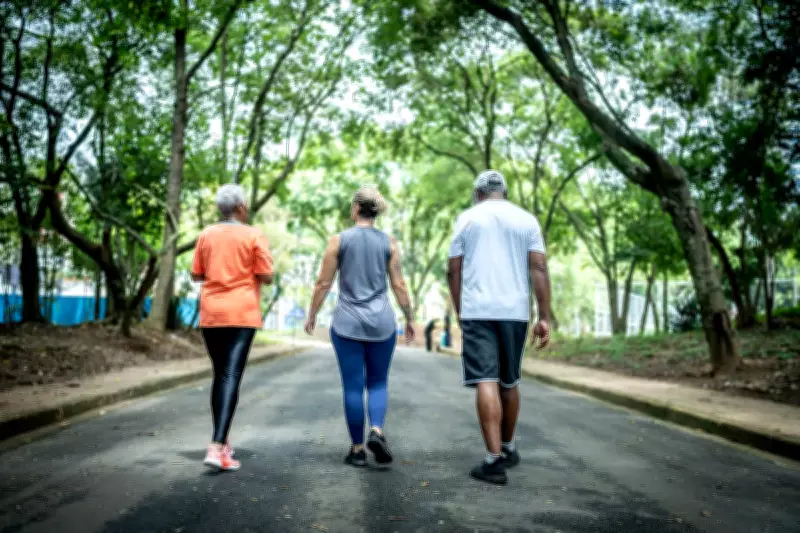
Six Expert Tips to Maximise Health Benefits from Your Daily Walk
Walking is widely regarded as one of the most accessible and effective ways to boost physical activity and improve overall health. Experts agree that incorporating simple adjustments into your daily routine can significantly enhance the benefits of this fundamental exercise. Here are six evidence-based strategies to help you get the most out of your steps in 2026.
Set a Goal
Aim to gradually increase your daily step count above your current average, with a long-term target of at least 8,000 steps per day. The human body adapts to consistent activities, much like weightlifters develop larger muscles through regular training. Start by checking your average daily steps on your phone's health app and increase it by 10-20% over the next month. Once this becomes manageable, repeat the process with your new average. Dr Elroy Aguiar, an associate professor of exercise science, emphasises that reaching 8,000 steps daily is linked to better longevity and a reduced risk of chronic conditions such as heart disease, based on research from institutions like the University of Granada.
Actively Aim to Sit Less
Replace some daily sitting time with standing activities, such as taking phone calls while walking or using a standing desk. Break up longer sedentary periods every 30 to 60 minutes with light movement, like stretching or a short stroll. According to the NHS, many people spend over nine hours sitting daily, which has been linked to markers of chronic diseases such as high blood sugar and cholesterol, even in regular exercisers. Dr Daniel Bailey from Brunel University notes that movement activates metabolic switches regulating blood sugar and cholesterol, making it crucial for all ages to reduce sitting time.

Extend Your Walking Time
Incorporate one or more walks lasting 15 minutes or longer into your daily routine. Research from the University of Sydney indicates that accumulating steps in longer bouts, typically 10-15 minutes or more, is associated with lower risks of cardiovascular disease and early death compared to shorter bursts. Professor Emmanuel Stamatakis explains that sustained muscle contraction during longer walks triggers cardiometabolic processes, such as improving heart rate variability and glucose metabolism, offering extra health benefits.
Move After Meals
Take a brisk walk immediately after meals to improve blood pressure, regulate blood sugar levels, and aid weight management. Studies, including one in the International Journal of General Medicine, found that walking for 30 minutes after lunch and dinner is more effective for weight loss than waiting an hour. Dr Aguiar points out that exercise pulls glucose into muscle cells, lowering blood sugar and reducing strain on the pancreas, which helps prevent metabolic syndrome and diabetes over time.
Head for the Hills
Include short bursts of vigorous activity, such as walking briskly uphill or climbing stairs quickly, to lower risks of health conditions and enhance longevity. Research from the University of Sydney highlights that five to ten daily episodes of vigorous intermittent lifestyle physical activity (VILPA) can reduce cardiovascular and cancer risks by 30-50%. These activities, like carrying heavy shopping or vigorous gardening, provide substantial benefits with minimal time investment.
Up Your Pace
Upgrade some of your daily walking to a brisk pace to experience greater health benefits. Dr Aguiar notes that most benefits accumulate at moderate or higher intensity, with a cadence of 100 steps per minute or more representing moderate activity. This improves cardiovascular fitness, which is linked to a lower risk of chronic diseases. For those new to walking, an eight-week framework from personal trainer David J Sautter can help build consistency and intensity gradually.
Limitations and Additional Considerations
While walking is highly accessible and beneficial, incorporating strength training once or twice weekly is essential for building bone and muscle resilience. Experienced exercisers may need more intense activities like running or cycling to further improve cardiovascular fitness. For individuals with mobility issues, alternatives such as seated yoga, swimming, or adaptive exercises can deliver similar health benefits when performed consistently.