

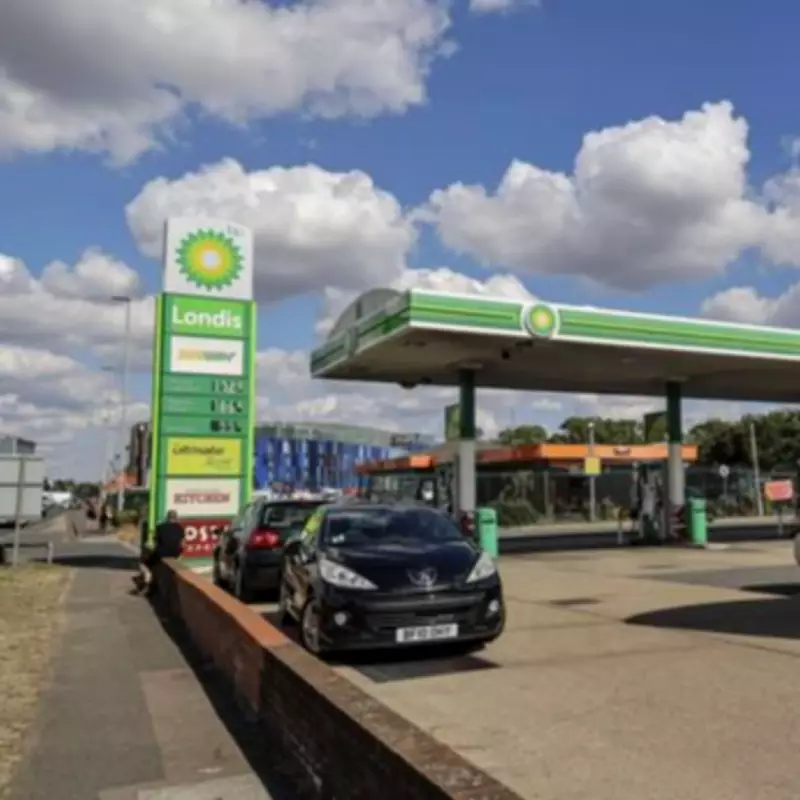
The UK government has confirmed detailed contingency plans for petrol and diesel rationing that would be activated if the ongoing crisis in the Middle East leads to severe fuel shortages across the country. These emergency measures, outlined in the National Emergency Plan for Fuel, establish a clear priority system for access to limited fuel supplies.
Priority Access Framework in National Emergency Plan
According to documents from the Department for Energy Security & Net Zero, emergency services and critical service vehicles would receive top priority for fuel access during any severe disruption. This category includes police, fire, and ambulance services that are essential for maintaining public safety and responding to emergencies.
The second tier of priority would go to utility companies responsible for gas, electricity, and water supplies, followed closely by public transport operators including bus services and diesel train networks. Commercial vehicles transporting essential goods such as food to supermarkets and medical supplies would then receive priority access before ordinary motorists.

Current Fuel Price Situation and Government Monitoring
Fuel prices have already reached concerning levels, with the RAC confirming average unleaded petrol prices at 141.5p per litre and diesel at 160.3p per litre - both representing 18-month highs. The persistent conflict in Iran and supply issues affecting the Strait of Hormuz have contributed significantly to these price increases and sporadic shortages at some petrol stations.
When questioned about potential rationing implementation, Treasury Minister Dan Tomlinson told Times Radio: "At the moment, it is too early to tell what the impact of this crisis will be in the coming months. We will monitor the situation, and we'll monitor it carefully." He did acknowledge recent government intervention, noting £50 million of support for households reliant on heating oil.
Potential Restrictions for Ordinary Motorists
Under the emergency plans, ordinary drivers could face significant restrictions including limits on the quantity of petrol they can purchase at one time and reduced operating hours at petrol stations. The government document clarifies that these measures would only be activated during the most severe national fuel supply disruptions, utilizing emergency powers under the Energy Act 1976.
Political correspondent Louisa James of ITV's Good Morning Britain warned: "There are experts warning that a severe shortage of oil and gas is now just weeks away. As you would expect the government has emergency plans in place which will be activated in the event of a severe disruption." She added that these published plans reportedly include not only rationing but also potential temporary speed limits of 50mph to reduce fuel demand.
Government Assurance on Current Fuel Resilience
A government source emphasized that the UK currently maintains "a diverse and resilient supply of fuel" with well-stocked petrol stations and regular imports arriving. The National Emergency Plan for Fuel document notes that most potential disruptions could be addressed through industry coordination measures, with emergency powers reserved for only the most severe scenarios.
The contingency planning comes as Middle East tensions continue to threaten global energy supplies, with the government preparing for various scenarios while attempting to maintain normal fuel distribution for as long as possible. The priority system aims to ensure that essential services continue operating even during significant supply disruptions that might affect the general population.






