Shower Discovery That Changed Everything
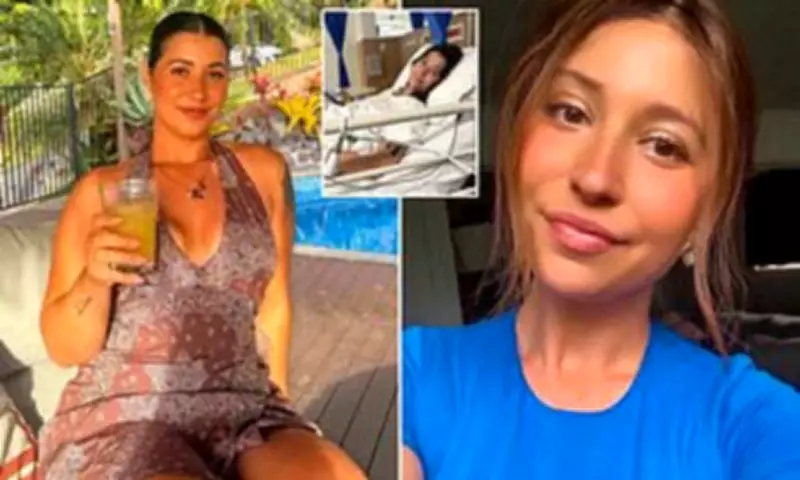
Krissy Smith was not anticipating anything out of the ordinary that morning. The then-29-year-old digital marketing assistant from Sydney simply stepped into the shower before work, mentally planning her day ahead. Living a happy and active life with no apparent health concerns, she cherished her job, maintained a regular fitness routine, enjoyed daily walks with her energetic dog, and frequently spent time with friends and family.
The Moment of Realisation
"I was just in the shower and saw that my right nipple had started to invert," Krissy, now 31, recalled. "That's what caught my attention straight away. When I felt around that area, there was quite a large lump under the nipple. It kind of felt like a golf ball - it was really hard and really large." As she continued examining the area, she discovered smaller lumps nearby as well.
Having undergone a comprehensive health check with blood tests and scans just eight months prior, the discovery came as a profound shock. "I convinced myself it was nothing serious - just a cyst or something - I never would've guessed I'd be diagnosed with stage 3 cancer days later," she admitted.

Rapid Medical Response
Despite having no family history of breast cancer and maintaining excellent health, the lumps prompted Krissy to contact her general practitioner immediately. Her GP acted with urgency, scheduling an ultrasound without delay. From that point forward, events unfolded at a pace Krissy still finds difficult to comprehend.
"They said they wanted to do a biopsy. A few days after that I went in and they took samples," she remembered. The results confirmed her worst fears: cancerous cells had been detected. The diagnosis was serious - stage three invasive ductal carcinoma, a type of breast cancer where the illness has spread to the lymph nodes close to the breast, the skin of the chest, or the chest wall.
Surgical Intervention and Treatment
Surgery was recommended almost immediately, and Krissy soon consulted with specialist breast surgeon Dr Stephanie Inder. "It was confirmed pretty quickly that I'd need surgery to have a full mastectomy of my right breast," she explained. "There were multiple tumours, so the easiest and most preventative thing was to remove the whole breast."
Within three weeks of that specialist appointment, she underwent surgery. Prior to the procedure, doctors ordered numerous scans to check whether the cancer had spread elsewhere, fortunately giving her the all-clear. Surgeons also removed thirteen lymph nodes after detecting minimal involvement, with margins ultimately returning clear. "It all went really well," she noted.
The Chemotherapy Challenge
After two weeks of recovery, Krissy began chemotherapy - a gruelling six-month treatment regimen she describes as the most difficult aspect of her entire ordeal. "I found chemo way harder than surgery," she revealed. "Surgery felt like a walk in the park compared to chemo."
The physical changes were immediate and confronting. Krissy experienced hair loss, weight gain, and relentless lethargy. Just two weeks into treatment, her hair began falling out in clumps. "You could run a brush through it and it would just be full of hair," she said. Eventually, she made the difficult decision to shave her head with her father's support.
"It was a really hard time. I had really long, thick dark brown hair and that was the part I was stressing about the most," she confessed. Within a month, she had also lost her eyebrows, eyelashes, and body hair. Simultaneously, her appetite disappeared as her taste buds became distorted, making everything taste bland and eliminating her motivation to eat.
Maintaining Normalcy Amidst Adversity
Despite the physical toll, Krissy was determined to preserve as much normalcy as possible. She continued working throughout her treatment with exceptional support from her employer of six years. "My workplace was amazing," she acknowledged. "They set me up with a work-from-home arrangement. I worked part-time hours and it really helped keep my mind focused on something other than my health."

She also maintained her exercise routine with assistance from her aunt, a personal trainer. Following chemotherapy sessions, they would meet at an outdoor gym for gentle resistance training. "Moving your body and resistance training are really important for bone health and recovery," she explained. "We'd just do a really light 20-minute workout."
Emotional Impact on a Young Woman
For Krissy, the emotional impact of confronting cancer as a young woman in her twenties proved profound. "It was a really dark time being a young person and having to re-learn what it means to be resilient," she reflected. She also struggled with the dramatic changes to her appearance during treatment.
"I had always been someone who hadn't really had to think about fitting in or getting attention," she said. "Suddenly I was in this vessel where I didn't look conventionally attractive anymore. That was really, really hard." Even as her hair has begun growing back, she acknowledges that the emotional adjustment remains ongoing. "It's something I'm still coming to terms with."
Family Support and Difficult Conversations
One of the most distressing moments occurred almost immediately after her diagnosis, when she had to deliver the news to loved ones. "I remember sitting in the specialist's office with my partner and hearing her say it was cancer," she recalled. "Everything just went blurry and still." That evening, she began calling family and friends.
"Hearing their panic and their emotions was really distressing. You're dealing with your own fear, but you're also navigating everyone else's fear," she explained. Her family quickly rallied around her. Krissy, originally from Queensland, had been living in Sydney for approximately a decade when diagnosed.
Her retired parents, who had been travelling Australia in a caravan, immediately halted their journey and parked nearby for eight months. Her mother assisted with cooking and care after treatment sessions, while her father took over daily walks with her high-energy Border Collie. "There were days during chemo when I didn't even have the energy to shower," she admitted.
Radiation and Survivorship Challenges
Following chemotherapy, Krissy began six weeks of daily radiation therapy. "I went every morning at 7am and then went straight to work afterwards," she described. "Radiation itself was actually fine. I had no complications. It was more just annoying to have to go every day."
Today, the cancer itself has been eliminated - but survivorship presents its own distinct challenges. Because her cancer was oestrogen-positive, Krissy must take hormone-blocking medication that effectively induces medical menopause. "My cancer eats oestrogen for breakfast. So limiting oestrogen is really important for remission," she explained.
The treatment causes symptoms including hot flashes, mood swings, and weight gain. "I feel like medical menopause is something that doesn't get talked about much," she observed. "Survivorship doesn't get talked about much either."
Life After Cancer Diagnosis
While there is relief in reaching remission, the aftermath can prove complicated. "You focus so much on beating cancer that when you get there, there's relief. But then you're left with this shell of who you were," Krissy reflected. "I look different, I feel different, and my outlook on life has changed."
Krissy believes the experience has fundamentally reshaped her identity in unexpected ways. "I feel like I'm rediscovering who I am. I almost feel like I'm 20 again - asking myself who I am and who I want to be," she shared. She is gradually returning to normal life, travelling, socialising with friends, and rebuilding routines.
However, some days remain challenging. "Some mornings I wake up and I can't even look at myself in the mirror. I just hate it," she confessed. Dating and meeting new people also feels different now. "I'm still working out how I date again and how I meet new people again."
A Life-Saving Moment of Awareness
Looking back, Krissy still finds it unsettling how suddenly everything changed. "I didn't have any other symptoms. It felt like the lump was just there one day," she said. That fleeting moment in the shower ultimately saved her life. "I wasn't intentionally checking my body - I just happened to notice my nipple," she emphasized. "And thank God I did, because it's scary to think what could happen if you ignore something like that."