
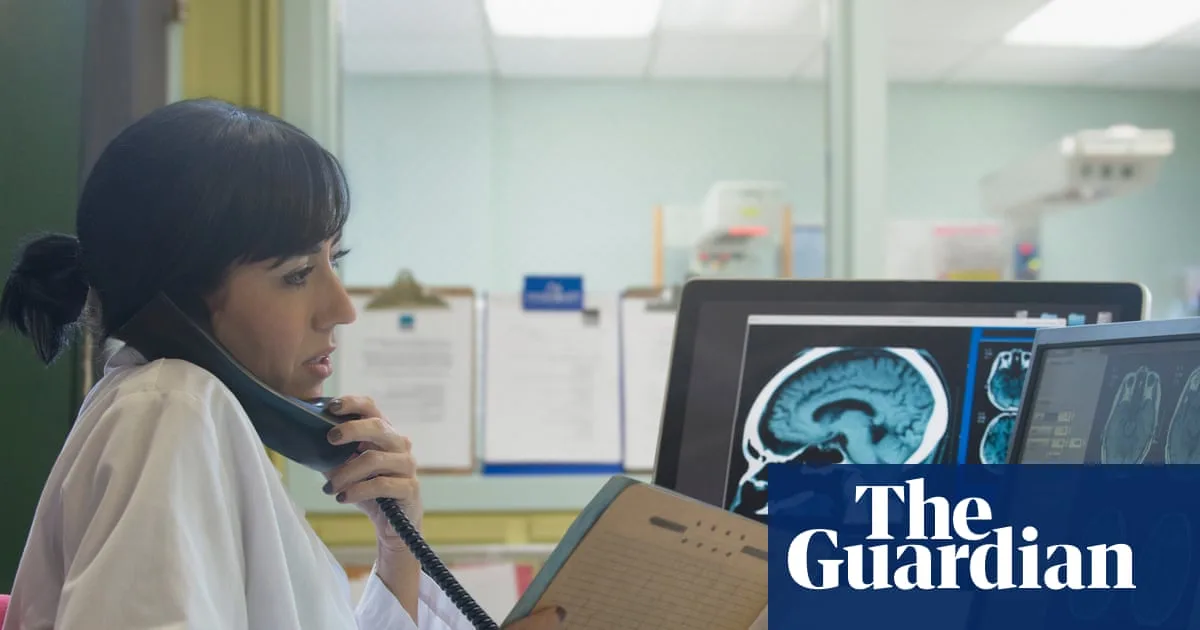
Hospitals across the UK have banned cancer diagnosis and treatment units from hiring doctors as part of NHS cost-cutting measures, despite rising demand for care. The Royal College of Radiologists (RCR) has warned that the dramatic increase in staffing freezes could lead to dangerous delays in cancer detection and treatment.
According to RCR data, exactly half of the UK's 60 specialist cancer treatment centres had a freeze on recruiting clinical oncologists in 2025, more than double the 13 (23%) seen in 2024. Similarly, over a third (36%) of the 160 radiology departments were subject to hiring bans last year, up from 19% in 2024. The figures were supplied by 138 of the UK's 160 radiology units.
Dr Stephen Harden, RCR president, criticised the bans as "shortsighted" and harmful to patients, staff morale, and NHS finances in the long term. He warned that recruitment freezes worsen the chronic shortage of doctors, leading to long waits, late diagnoses, and delays that can limit treatment options or cause patients to present too late for treatment. "Any delay can be distressing. But for patients with suspected cancer it is particularly dangerous [as] each month’s delay to starting cancer treatment can increase the risk of death by around 10%," he said.
The hiring bans are linked to the "reset" of NHS finances ordered last spring by NHS England chief executive Sir Jim Mackey to address a looming £6.6bn overspend in 2025-26. Most freezes were imposed in England. Smaller cancer centres and radiology departments, particularly those in rural or deprived areas, were more likely to face bans: 60% of such centres experienced a freeze, compared with 48% in urban and better-off areas.
The RCR's findings come as the government launches a plan to improve cancer care in England, including increasing the number of cancer doctors in rural and coastal areas. However, Dr Harden said hiring bans undermine these commitments. "It’s encouraging to see the government set out ambitious plans to improve cancer care... But hiring bans in radiology departments and cancer centres sit in clear tension with commitments to diagnose cancer earlier and treat it faster, and they need to end."




