
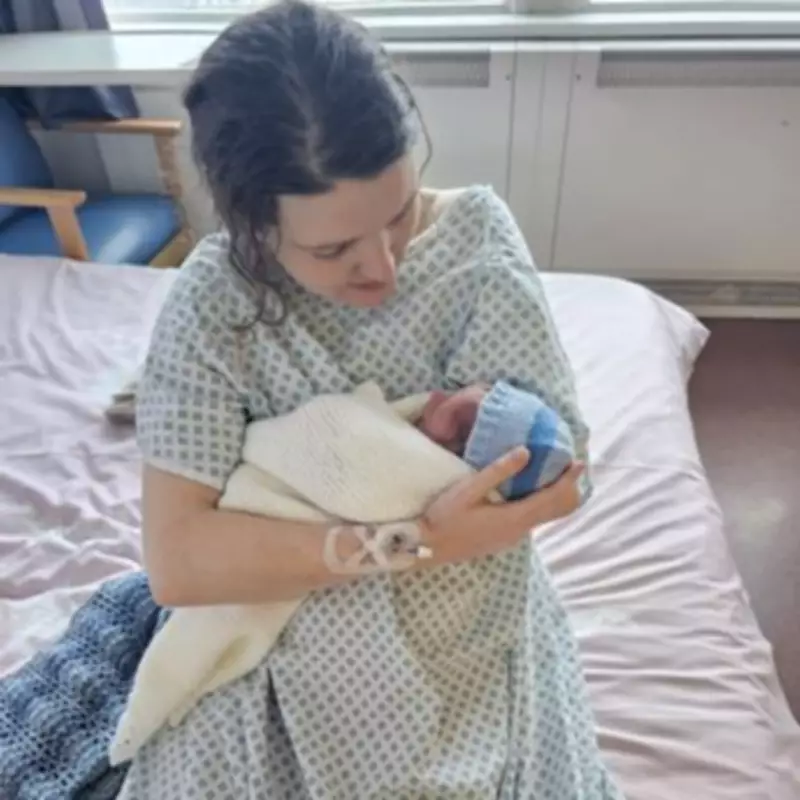
Mother's Severe Pregnancy Symptoms Repeatedly Dismissed Before Tragic Stillbirth
Natasha Anderson, a 34-year-old credit controller from Didcot in South Oxfordshire, has revealed how her severe pregnancy symptoms were repeatedly dismissed as "nothing to worry about" by NHS hospital staff before her son was tragically stillborn. Natasha and her partner Nicholas Harewood, 38, discovered they were expecting in June 2025 and had been eagerly preparing for their baby boy's arrival due in February 2026.
Early Symptoms Ignored Despite Multiple Warnings
From her first trimester, Natasha reported persistent vomiting, recurrent urinary tract infections, and flashes of light to medical staff at John Radcliffe Hospital in Oxford. Despite these concerning symptoms, she was consistently reassured that there was nothing to worry about. In October 2025, Natasha began experiencing visual disturbances including seeing "all the colours of the rainbow" in streams of light, but again received the same dismissive response from healthcare professionals.
Natasha was treated for severe dehydration and hyperemesis gravidarum with IV fluids, but claims she did not receive appropriate medication until her second trimester. On October 12, she called NHS 111 reporting headaches, bloating and vomiting, but after questions about pre-eclampsia, the condition was ruled out by the service.
Late Diagnosis and Tragic Outcome
In mid-December 2025, tests finally revealed Natasha had high blood pressure, raised creatinine levels, and protein in her urine - classic signs of pre-eclampsia. She was admitted to hospital on December 17 and diagnosed with the condition. According to medical guidelines, the only cure for pre-eclampsia is delivering the baby, with patients typically monitored until delivery becomes possible.
Despite monitoring with a cardiotocography machine that showed normal results, an ultrasound on December 19 revealed their baby's stomach had not grown since the previous scan. The couple were referred to the hospital's Fetal Medicine Unit but told they couldn't get an appointment until the following week.
"The doctor looked pretty worried," Natasha recalled. "We thought we could just walk in and have an immediate scan but it had to be booked in."
The Heartbreaking Discovery
That same evening, Nicholas left the hospital, but Natasha began feeling unwell and pressed the emergency buzzer. After wandering the ward finding no staff, a student midwife eventually arrived but couldn't detect a heartbeat. A consultant confirmed their worst fears - their son had died around midnight on December 19.
Natasha was induced and delivered their stillborn son, Arlo Huxley Harewood, at 9:18pm on December 20 at 32 weeks gestation. Medical staff confirmed he died from complications of pre-eclampsia, specifically placental abruption where the placenta detaches from the womb wall.
Additional Complications and Aftermath
Natasha also developed HELLP syndrome - a rare liver and blood-clotting disorder affecting pregnant women. "They never mentioned HELLP syndrome to us before this," she said. "We now know it's the worst-case scenario for someone with pre-eclampsia."
The couple held Arlo's funeral on January 29, 2026, with Nicholas reading a poignant poem about their loss. "My existence is split into two parts - before Arlo, and after Arlo," he wrote. "Every day I weep."
Institutional Responses and Family's Grief
A spokesperson for South Central Ambulance Service NHS Foundation Trust stated that after reviewing Natasha's October 12 call, pre-eclampsia was ruled out based on the symptoms she reported at that time. Oxford University Hospitals NHS Foundation Trust expressed that Arlo's loss was "truly heartbreaking" and confirmed they are conducting a full review while remaining in contact with the family.
Natasha reflected on her experience: "I still felt like a mother despite it all." Nicholas added: "We held him and touched his hands and feet and we were his parents for a short while. It was just heartbreaking."
The couple are now raising money for Action on Pre-eclampsia and considering their future, expressing desire for another child but concern about potential health risks. Their story highlights critical issues in pregnancy care and the devastating consequences when serious symptoms are not properly investigated.




