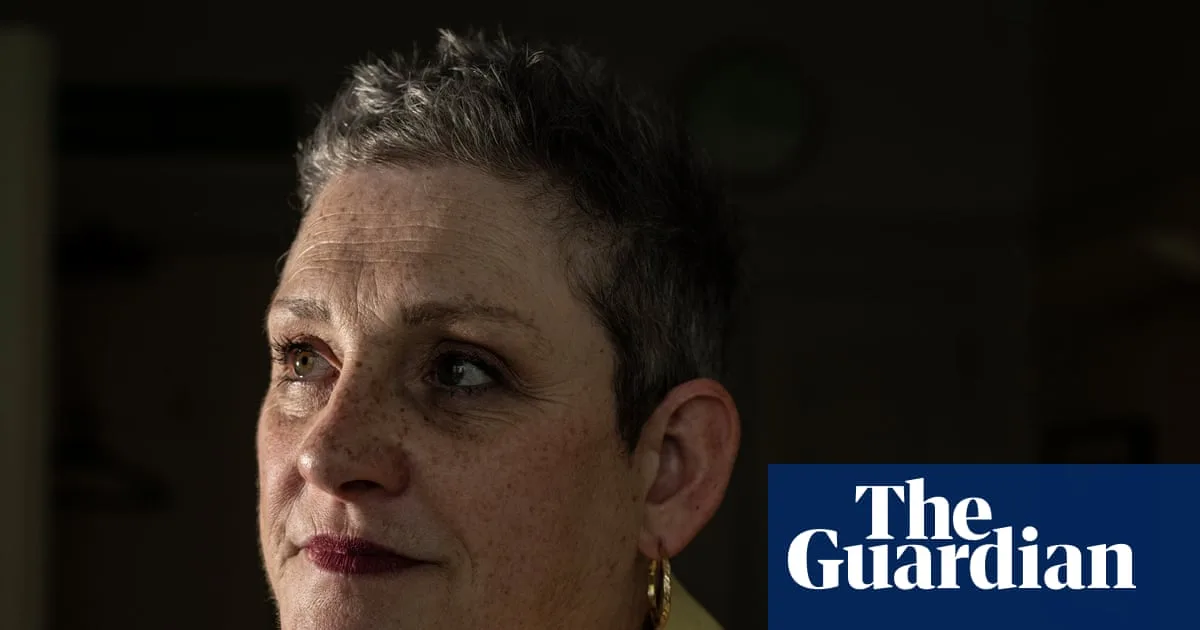
A mother-of-two whose incurable breast cancer has returned for the fifth time has expressed feeling "robbed" by peers in the House of Lords who have derailed plans to legalise assisted dying in England and Wales. Christie Arntsen, 58, from near Whitney, described the parliamentary process as "undemocratic" and said she is "absolutely mortified" by the actions of a small group of opposing peers.
Historic Vote Stalled in the Lords
In a historic vote last year, Members of Parliament voted to legalise assisted dying by 314 to 291, securing a majority of 23. However, the proposed legislation has since stalled in the House of Lords, where a limited number of opposing peers have been accused of filibustering. This tactic involves deliberately wasting time in debates to prevent a bill from progressing.
The Terminally Ill Adults (End of Life) Bill is expected to run out of time when the current parliamentary session concludes next month. This bill has already undergone over 200 hours of scrutiny across both the Commons and the Lords, which exceeds the examination time given to most Government Bills.
"Why Should Others Decide If I Stay Alive?"
In an exclusive interview, Ms Arntsen questioned why peers believe they have the right to prolong her suffering. "I'm going to be dying. I'm going to be in the last weeks of my life," she stated. "What I don't understand is, why would that person believe they had the right to make me suffer for longer than I had to? Why is that okay?"
She emphasised that having the choice of an assisted death would have significantly altered her perspective on her latest diagnosis. "Prior to what's been going on in the House of Lords, I really believed there was a chance that there would be an option of assisted dying for me and then I would actually be able to live a happy life until the point in which I chose to," Ms Arntsen explained.
Legislation Details and Criticisms
The proposed law would permit terminally ill adults in England and Wales, with a prognosis of fewer than six months to live, to apply for an assisted death. Approval would require the consent of two doctors and a panel comprising a social worker, a senior legal figure, and a psychiatrist.
Ms Arntsen, who was first diagnosed with breast cancer in 2013, criticised arguments suggesting a slippery slope for disabled individuals, noting that they would not be eligible under this legislation. She suggested that some peers have "blinders on" due to their principled opposition to assisted dying.
Emotional Impact and Democratic Concerns
Reflecting on the MPs' vote last summer, Ms Arntsen described it as "an absolutely wonderful moment" but now feels "retrospectively robbed of the joy." She added, "It just blows my mind that the House of Lords have the power to mess up something that was passed by MPs, who have been voted for by the population. That just seems so undemocratic."
She expressed frustration that the actions of a few peers have dashed her hopes, stating, "This hasn't been considered properly, and therefore my hope has been dashed and almost treated carelessly. Really, I just think this is real, just filibustering, putting silly amendments in, and just making it so difficult, it's so unkind to all of those people that this will make a huge difference to."
As the parliamentary session nears its end, the future of assisted dying legislation remains uncertain, leaving individuals like Christie Arntsen in a state of limbo regarding their end-of-life choices.