

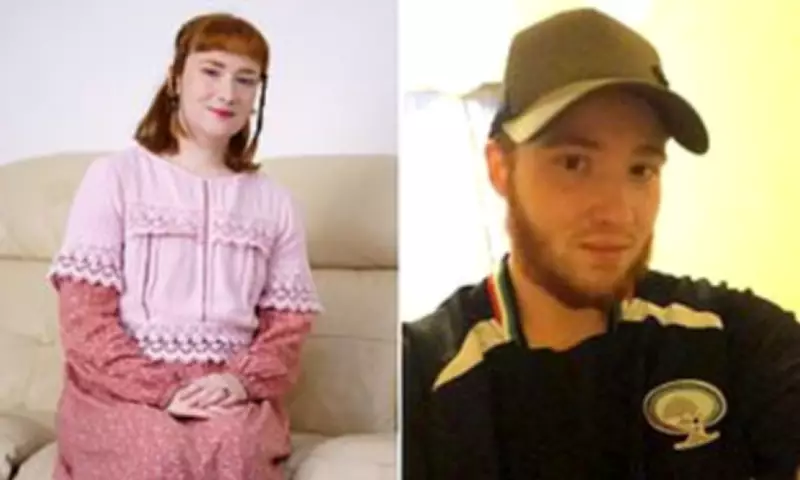
A woman who received hormone therapy and a double mastectomy through the National Health Service without being offered psychological counselling has criticised medical professionals for being too swift to accept her desire to become a man. Aerin Bailey, a 34-year-old from Sheffield, Yorkshire, was born female and named Alice, but at age sixteen began experiencing thoughts about transitioning to male.
Confusion and Misdiagnosis
Aerin explained that her confusion stemmed from lifelong difficulties in forming friendships and social connections. When she consulted her general practitioner about these feelings, she received a diagnosis of gender dysphoria after just two appointments. She was promptly referred to a gender identity clinic, which she attended within two months.
At the clinic, she was given two questionnaires to complete at home. Aerin admits using information from YouTube videos and resources provided by the charity Gender Identity Research and Education Society to formulate what she believed were the correct responses to obtain hormones and surgery. Within six months, she was prescribed male hormones, with no therapeutic intervention offered beforehand.

Rapid Medical Transition
At eighteen, she legally changed her name to Aaron, and at twenty-two, underwent a double mastectomy—all funded by the NHS. She was subsequently placed on a waiting list for further gender-affirming surgery. However, Aerin quickly realised she did not feel comfortable living as a man either, yet felt compelled to continue with the transition.
It was only after fifteen years of what she describes as miserable existence as a man that Aerin, then known as Aaron, received an autism diagnosis in 2018, followed by an ADHD diagnosis in 2025. She now understands she was never transgender, but rather an autistic woman grappling with the societal discrimination faced by females.
Delayed Autism Recognition
Aerin, who works as a trainee beauty therapist, stated: "The entire investigation into changing my gender was insufficiently thorough. I was experiencing anxiety and low self-esteem at the time, yet these issues were overlooked." She emphasised that no single individual or clinic bears sole responsibility, but that the gender identity service as a whole failed her.
"People simply did not inquire deeply enough about my decision, resulting in me living a lie and feeling utterly miserable," she added. "All I did was complete two assessment forms. I had researched the answers to ensure I said what I thought was necessary to obtain what I believed I wanted."
Childhood Struggles and Bullying
Aerin recounted growing up with her parents and older sister, consistently feeling isolated at school. Her parents opposed her gender transition. In infant school, she preferred solitary play, and by age nine, she desired to socialise but lacked the skills to do so, leading to exclusion and bullying. Peers labelled her "the weird girl" and accused her of being dramatic.
Adolescence exacerbated her difficulties; from age thirteen, she struggled with behaviours typically associated with men, such as catcalling. Not wanting boyfriends, she felt defective and began questioning her gender identity. "I perceived women as being treated unfairly by men, and I did not seem to share the same desires as other girls," she explained.
The Turning Point
Instead of examining these feelings critically, Aerin concluded she might be transgender. "Looking back, it was an unusual conclusion, but it seemed like a potential escape from the confusion," she reflected. Her family, though initially supportive of her transition plans, later expressed fear during her detransition process, which motivated her to seek proper treatment.
After a family member's autism diagnosis prompted her to request an assessment, Aerin was diagnosed with autism at twenty-six. She also sought help for severe anxiety, particularly regarding food, and was diagnosed with anorexia in 2023. During treatment, she decided to detransition, shaving off her beard in December 2024.

Detransition and Recovery
Following consultation with a GP, she ceased taking male hormones in January 2025, regaining her menstrual cycle within six months. She received an ADHD diagnosis in 2025, recovered from her eating disorder by June 2025, and was discharged from treatment in January 2026. Aerin, who shared her story via Sell Us Your Story, described the return of her periods as a profoundly positive experience.
"I am now a happy, confident woman. When I look in the mirror, I am content to be myself," she affirmed. "Had I been aware of my autism and ADHD, I would never have undergone this transition. I recognise it was my decision, but I wish I had received more comprehensive support—my issues were with gender roles, not my own gender."
Broader Implications
A 2023 study titled 'Investigating gender dysphoria in autism spectrum disorder: clinical challenges and future perspectives' highlights how core autistic traits may mask or overlap with gender dysphoria, underscoring the need for thorough differential diagnosis. Aerin's case illustrates the potential consequences when such complexities are not adequately explored.
She offers advice to others considering gender transition: "Think twice and discuss it extensively. If you are a woman who feels you do not belong, that does not mean you are not a woman. And if you have made a transition mistake, detransition is possible."
Aerin's experience raises critical questions about the adequacy of mental health assessments within NHS gender identity services, particularly for individuals with underlying neurodevelopmental conditions like autism and ADHD.





