Mother's Journey from Paralysis to Independence Through Family-Led Physiotherapy
In an inspiring medical recovery story, a mother who was told she would never walk again following severe brain damage has regained her independence through treatment at her son's physiotherapy clinic. Karen Kerr, 58, faced what seemed like insurmountable odds after being diagnosed with haemochromatosis, a genetic condition that caused stroke-like symptoms and significant neurological impairment.
The Sudden Onset of a Life-Altering Condition
In January 2023, Karen Kerr phoned her son Iain Legge with alarming symptoms: she struggled to use her hands, could not stand up, and her speech had become slow and slurred. Mr. Legge, fearing his mother was having a stroke, immediately arranged for an ambulance to transport her to hospital. Medical investigations soon revealed the true cause – brain damage resulting from haemochromatosis, a genetic disorder that prevents the body from processing iron properly.
Haemochromatosis causes dangerous iron accumulation in the body, leading to stroke-like symptoms and damaging vital organs including the liver, pancreas, joints, and heart. Left untreated, the condition can be fatal. Ms. Kerr's deterioration was severe – she became unable to stand or sit upright, lost considerable weight (dropping to just over six stone at her lowest point), and required four months of hospitalisation.

The Descent into Complete Dependence
Following her hospital stay, Ms. Kerr's situation remained dire. She required four daily care visits from at least two carers simultaneously and was confined to what medical professionals term a "micro-environment" – a single room containing everything she needed, including her bed and toilet. She never left this room during this period.
Dionne Harvey, Mr. Legge's partner and a qualified physiotherapist, explained the medical mechanism: "She had a lot of built-up iron in her system. Other toxins which were then not getting filtered by the liver were building up in the bloodstream. Those toxins in the blood were then reaching the brain, and that is what was causing the damage."
Medical professionals were preparing to place Ms. Kerr in a 24-hour care facility, believing her condition irreversible. "The hospital was going down the route of trying to get my mum into a 24-hour care facility, because she deteriorated so far that she couldn't hold a sitting balance," Mr. Legge recalled. "Obviously, we didn't want that."
A Family's Determination Against Medical Pessimism
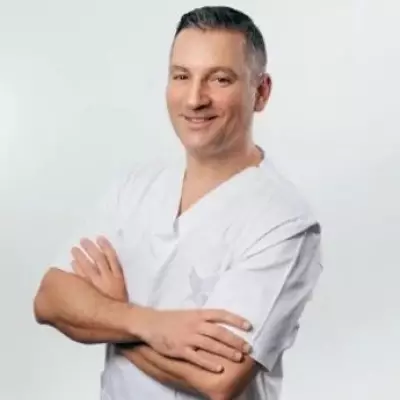
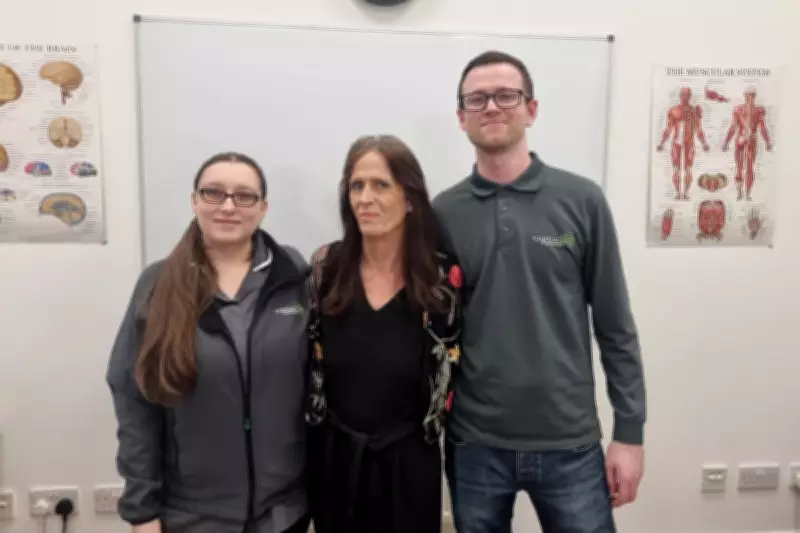
Despite being told by other medical professionals that their efforts would be futile, Mr. Legge and Ms. Harvey brought Ms. Kerr back to Scotland in May 2024 and began treatment at Cortex Physiotherapy, the clinic they founded together in 2024. Mr. Legge, 30, serves as director while Ms. Harvey, 33, works as the clinic's physiotherapist.
The recovery program involved multiple therapeutic approaches, most notably neuroplasticity training – a method where the brain rewires itself through repeating small tasks, eventually restoring previously lost functions. Simultaneously, they addressed her iron overload through dietary and lifestyle management strategies.
Ms. Kerr described her mindset shift: "Once it was explained to me why I was having trouble, I felt that I could recover, instead of being written off." She humorously noted the psychological challenge: "The hardest bit about recovery was Iain telling me what to do. But as a mother, I kept thinking, 'I can't let my son down, I'm the mum, I've got to do this, so I can look after him.'"
Remarkable Progress and Future Aspirations
From initially needing a Zimmer frame when she first regained mobility, Ms. Kerr progressed to using a walking stick, which she now rarely requires. She has achieved full independence, no longer needing carer visits, and has regained her ability to drive.
Her recovery goals continue to expand. "To begin with, I just wanted to go to Asda or Tesco with somebody and walk, and then I went Christmas shopping last year," she shared. Now she aims to wear high heels for Ladies' Day at Ayr Racecourse in April and return to horse riding, having previously competed professionally in showjumping.

Reflecting on her journey, Ms. Kerr offered encouragement to others facing similar challenges: "Just keep going, don't give up. When it initially happens to many other people, they think they're never going to get better. It's all self-determination. I remember when I was in hospital for four months, I hadn't had a cigarette, and I just wanted to be able to roll a cigarette again."
This remarkable story demonstrates how family dedication combined with specialised physiotherapy can achieve what was once considered medically impossible, offering hope to those facing similar neurological challenges.