
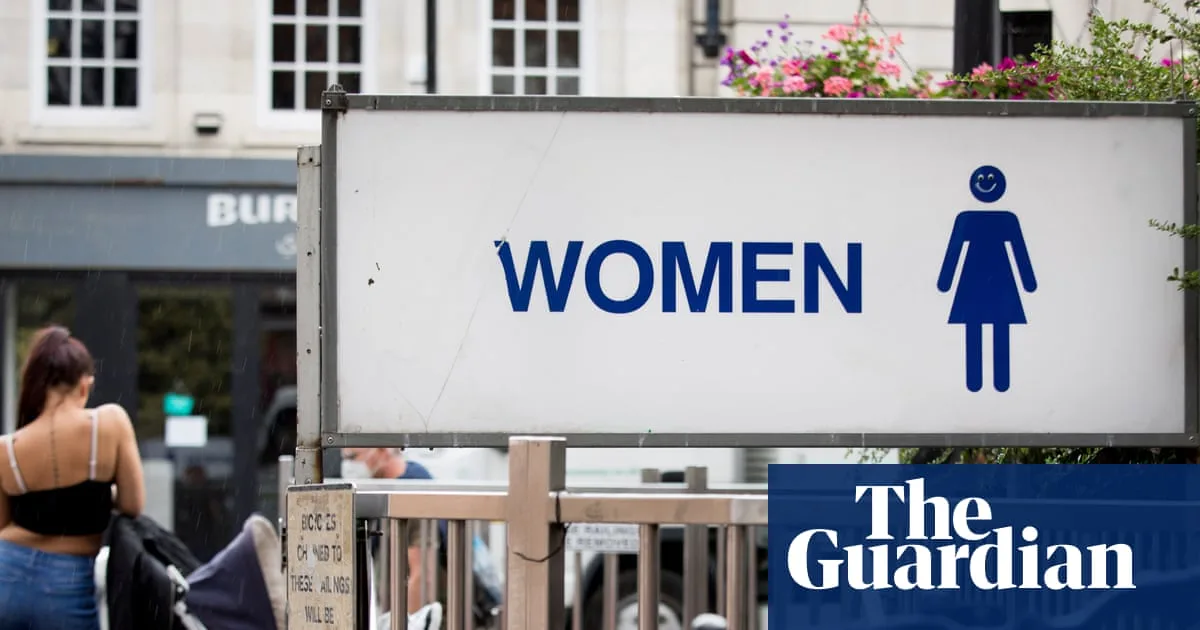
The number of public toilets in England has fallen by 14% over the past decade, leaving vast areas without adequate facilities and harming public health, according to a report by the Royal Society for Public Health (RSPH). The analysis, based on freedom of information responses from 221 English councils, found there are now 15,481 people for each public toilet. This compares unfavourably with Scotland, where there are 8,500 people per toilet, and Wales, with 6,748.
The RSPH warned that the shortage has led to an increase in public urination, creating unhygienic conditions, and is damaging high streets as some people avoid going out due to a lack of facilities. William Roberts, chief executive of the RSPH, said: 'One public toilet per 15,000 people simply isn’t good enough and, without action, that figure will keep rising.' He added that the lack of toilets has 'unsanitary consequences, creating unpleasant environments that degrade our public realm.'
The RSPH is calling for new strategic authorities to have a duty to ensure sufficient public toilets, backed by central government funding. It also wants regulations requiring public toilets in any non-residential development. The Local Government Association (LGA) noted that funding pressures have forced councils to rethink provision, with maintenance costs around £25,000 per toilet annually. 'Vandalism and antisocial behaviour cost councils millions of pounds a year,' an LGA spokesperson said, adding that many councils have tried community toilet schemes but gaps remain due to business closures.
A Ministry of Housing, Communities and Local Government spokesperson said over £78bn has been made available for council finances, with local leaders free to decide how to spend the majority. However, the RSPH argues that current provision is insufficient and risks further decline without mandatory action.




