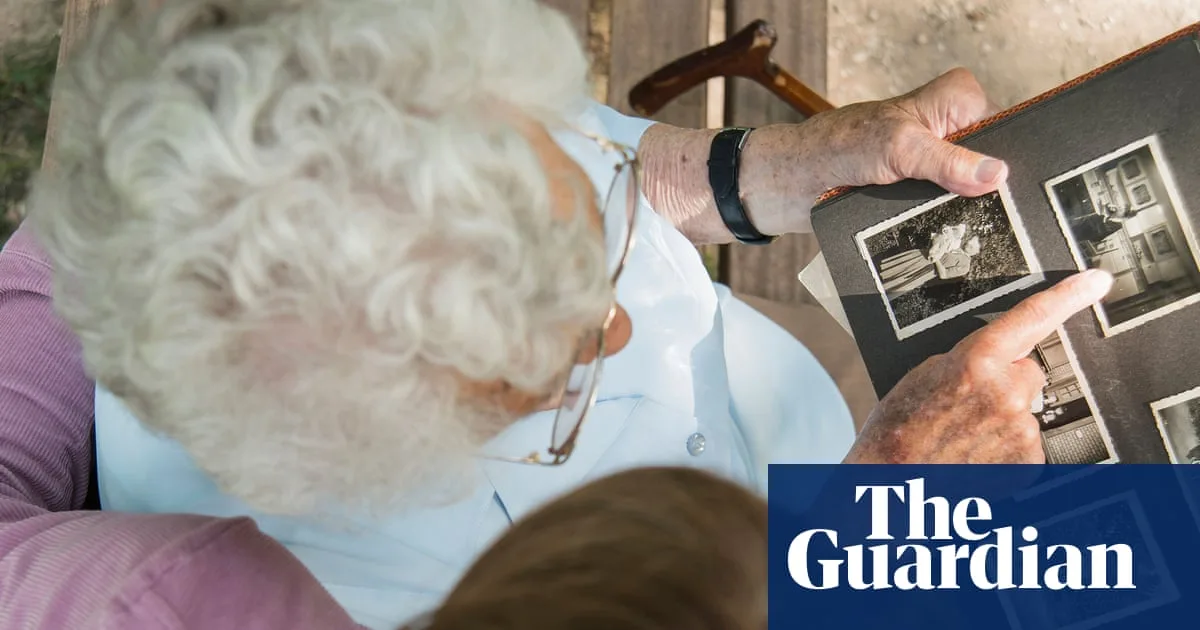
Dementia Patients Retain Personal Joys and Interests, New Research Confirms
Dementia Patients Keep Personal Joys and Interests, Study Shows

Dementia Patients Retain Personal Joys and Interests, New Research Confirms

A comprehensive new study has revealed that individuals living with dementia continue to possess distinct personalities, joys, and interests, directly challenging widespread misconceptions about cognitive decline. The research, published in a leading medical journal, emphasises that dementia does not erase a person's identity or their capacity for enjoyment.

Key Findings from the Study

The investigation involved over 500 participants diagnosed with various forms of dementia, including Alzheimer's disease. Researchers conducted longitudinal observations and interviews over a two-year period, documenting daily activities, emotional responses, and social interactions.

Notably, the study found that:

Wide Pickt banner — collaborative shopping lists app for Telegram, phone mockup with grocery list
  • Participants consistently engaged in hobbies and activities they had enjoyed prior to diagnosis, such as gardening, painting, or listening to music.
  • Emotional connections with family members and caregivers remained strong, with many expressing joy during visits or shared moments.
  • Personal preferences in food, entertainment, and social settings were largely unchanged, indicating preserved aspects of self.

Implications for Care and Society

These findings have significant implications for dementia care practices and public perception. Traditionally, dementia has been viewed primarily through the lens of loss—of memory, function, and identity. This research shifts the narrative towards recognising ongoing personhood.

"Our study underscores that a dementia diagnosis does not equate to a loss of self," explained the lead researcher. "Individuals continue to experience happiness, form preferences, and engage with the world in meaningful ways. This understanding should inform more personalised and respectful care approaches."

Caregivers and healthcare professionals are encouraged to focus on supporting existing interests and facilitating joyful experiences, rather than solely managing symptoms. This person-centred approach can enhance quality of life and potentially slow cognitive decline through sustained engagement.

Addressing Stigma and Misconceptions

The research also highlights the persistent stigma surrounding dementia, which often leads to social isolation and underestimation of capabilities. By demonstrating that joys and interests endure, the study advocates for greater inclusion and dignity for those affected.

Public awareness campaigns and educational initiatives are needed to disseminate these findings, fostering a more nuanced understanding of dementia. Families and communities play a crucial role in maintaining social connections and recognising the individuality of those living with the condition.

Future research will explore how tailored interventions based on personal interests can improve wellbeing outcomes. The study calls for increased funding and policy support to integrate these insights into standard care protocols, ensuring that every person with dementia is seen and valued for who they remain, not just what they have lost.

Pickt after-article banner — collaborative shopping lists app with family illustration




