Father's Brain Tumour Symptoms Dismissed as Fatigue Before Seizure Diagnosis
Brain Tumour Symptoms Dismissed as Fatigue Before Seizure

Father's Brain Tumour Symptoms Initially Dismissed as Fatigue

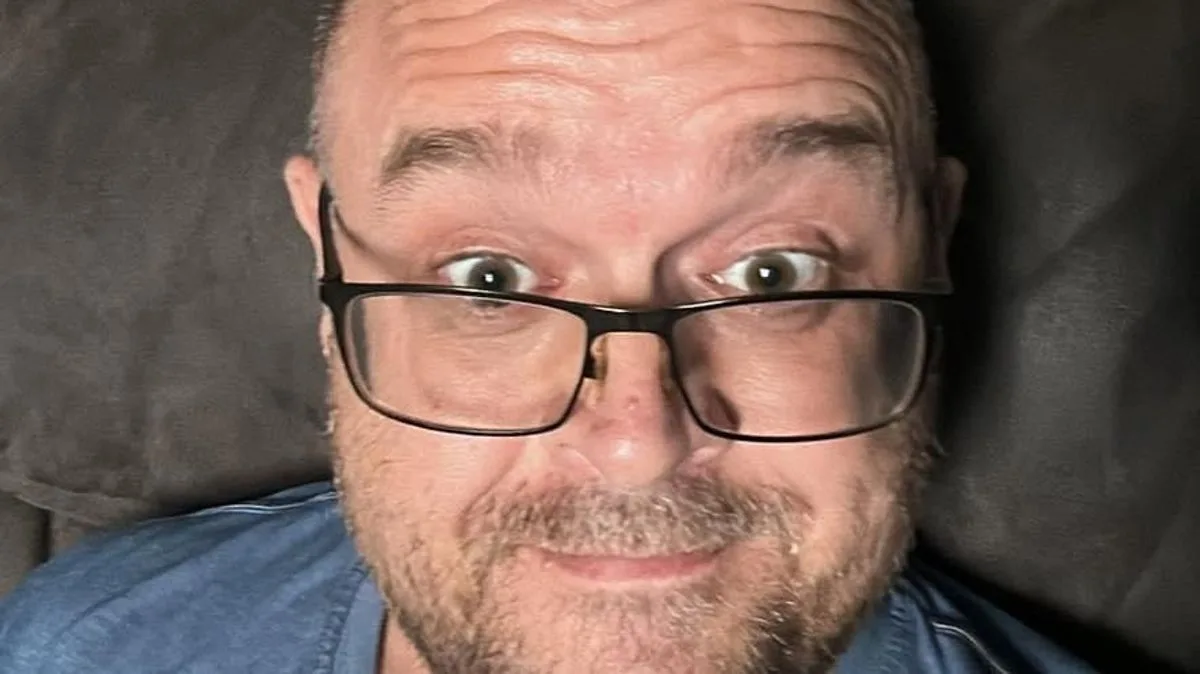
Jamie Brunt, a 42-year-old father from Chesterfield, Derbyshire, experienced such severe exhaustion that he described it as having weights clipped to his eyelids. His extreme tiredness, which began in 2020, was so debilitating that he would fall asleep within minutes of waking, despite a full night's rest.

Consulting his GP during the COVID-19 pandemic, Jamie suspected low testosterone might be the cause. Blood tests returned normal results, and a dietitian suggested his diet was to blame. With no follow-up, his concerns were effectively forgotten, leaving him to struggle with unexplained fatigue for two years.

Seizure While Driving Reveals Devastating Truth

In 2022, Jamie's life changed dramatically when he suffered a seizure while driving from Chesterfield to Nottingham. Losing consciousness, he crashed his van, biting his tongue severely. After police confirmed he was not under the influence, he was taken to Chesterfield Royal Hospital.

Initial CT scans suggested a bleed from the crash impact, but further examination revealed a more serious underlying condition. Referred to Royal Hallamshire Hospital in Sheffield, surgeons identified a mass on his brain, diagnosed as a glioblastoma—an aggressive and incurable form of brain cancer.

Jamie was given a prognosis of just seven months to live. This devastating news forced him to confront his mortality and rebuild relationships with his daughters, Millie and Rosie, while grappling with the limited time he believed he had left.

Treatment and Survival Beyond Expectations

Undergoing urgent surgery to remove the visible tumour, Jamie faced a challenging recovery, relearning how to walk and talk. He then endured 30 rounds of radiotherapy between October and November 2023, followed by six cycles of chemotherapy tablets, completed in summer 2024.

Despite battling treatment side effects like fatigue and hair thinning, Jamie coped relatively well. A scan in November 2025 showed no trace of cancer cells, though glioblastoma typically recurs, often limiting future treatment options.

Jamie reflects on his journey, stating, It's strange hearing good news when you've spent so long preparing yourself to die. While emotionally changed, he acknowledges his physical well-being and the rarity of his extended survival.

Raising Awareness and Funding for Research

Now participating in the 10,000 Steps a Day in February challenge, Jamie is raising funds for the new Brain Tumour Research Centre of Excellence at the University of Nottingham. This facility focuses on glioblastoma research, employing advanced techniques to develop better treatments and ultimately a cure.

Jamie's experience drove him to research alternative therapies abroad, highlighting the desperation faced by those with incurable diagnoses. He emphasises the importance of local research, saying, If raising awareness or supporting research helps even one person, then it's worth it.

Ashley McWilliams of Brain Tumour Research notes that Jamie's story underscores how brain tumour symptoms are often misattributed, leading to emergency diagnoses. Sustained investment in research is crucial to improving outcomes for this challenging cancer.




