Father's Extreme Fatigue Dismissed as Hormonal Issue, Reveals Deadly Brain Tumour
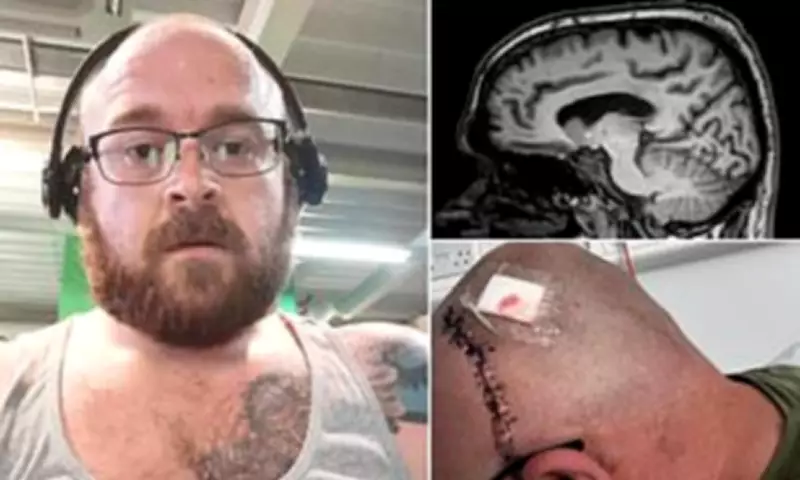
In a harrowing medical oversight, Jamie Brunt, a 42-year-old father-of-two from Chesterfield, Derbyshire, had his debilitating exhaustion wrongly attributed to low testosterone, only to later discover he was battling a glioblastoma, an aggressive and incurable brain cancer. Like many in their early 40s, Mr Brunt struggled with overwhelming tiredness, often finding it impossible to stay awake despite a full night's rest.
Initial Misdiagnosis and Dismissal of Symptoms
During the COVID-19 pandemic, Mr Brunt consulted his GP about his severe fatigue, describing it as having "weights clipped to my eyelids." After blood tests returned normal results, he was informed that low testosterone was the likely culprit. A dietitian later suggested his diet might be to blame, but no follow-up actions were taken, leaving his concerns forgotten.
"I just couldn't stay awake," Mr Brunt recalled. "I would sleep all night, wake up, have a coffee and a cigarette, and then be asleep again within about 20 minutes. It felt like I had never experienced anything like it before."

Seizure Leads to Shocking Diagnosis
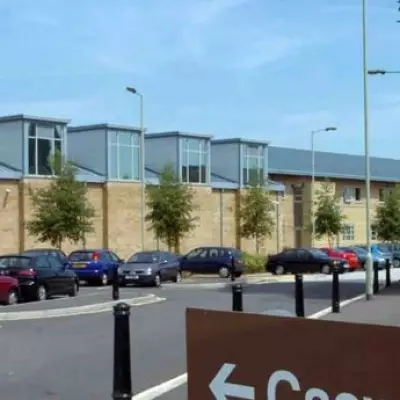
Two years after his symptoms were dismissed in summer 2020, Mr Brunt suffered a seizure while driving, crashing his van and waking up covered in blood. Police administered a breathalyser test, which was clear, and he was rushed to Chesterfield Royal Hospital. CT scans there revealed a glioblastoma, with doctors initially expecting signs of a crash-related bleed but uncovering something far more serious.
"I remember passing Junction 28 and thinking I was nearly home when a seizure hit," he said. "The next thing I knew, someone was opening my passenger door because I'd crashed. I'd bitten my tongue and there was blood everywhere."
Urgent Surgery and Gruelling Recovery
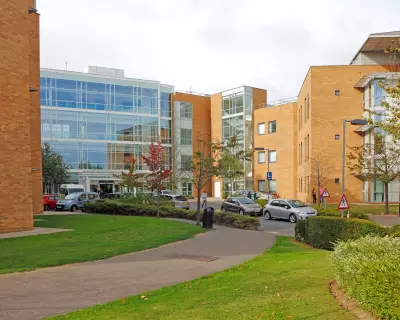
Referred to Royal Hallamshire Hospital in Sheffield, Mr Brunt underwent a craniotomy to remove the visible tumour. The operation left him relearning how to walk and talk, and he was given a prognosis of just seven months to live. However, after 30 sessions of radiotherapy in late 2023 and six cycles of chemotherapy tablets ending in summer 2024, he has defied expectations.
Despite experiencing fatigue and hair thinning, Mr Brunt tolerated treatment well. A scan in November 2025 showed no signs of cancer cells, though glioblastoma nearly always recurs, limiting future treatment options.
Emotional Toll and Family Impact
One of the most challenging aspects for Mr Brunt was informing his daughters, Millie and Rosie, about his condition. "Trying to explain to them that I was going to die was awful," he shared. "I hadn't always been around as much as I should have been, and I was trying to rebuild those relationships while facing the idea that my time was limited. I knew I needed more time for them."
Now, he takes each day as it comes, noting the strangeness of hearing good news after preparing for death. "I still prepare for the worst every time the phone rings but physically, I feel good," he said. "Emotionally, I have lost a bit of the fizz for life I used to have even though I know how lucky I am. Glioblastoma doesn't usually give people this much time."
Fundraising for Brain Tumour Research
Mr Brunt, owner of Big Dog Custom Campers, is participating in the 10,000 Steps a Day in February challenge to raise funds for the new Brain Tumour Research Centre of Excellence at the University of Nottingham. This centre focuses on glioblastoma research, aiming to develop improved treatments and ultimately a cure.
"Before my scans came back clear, I had been looking into other options, including genetic treatments and personalised therapies abroad," he explained. "I was researching places in Germany and anywhere else that might offer something different, because when you are told there is no cure, you look at everything. That's why knowing this kind of research is being developed closer to home makes a difference. I can't give back in many ways, but I can walk this challenge. If raising awareness or supporting research helps even one person, then it's worth it."

Broader Context and Expert Insights
Ashley McWilliams, community development manager at Brain Tumour Research, emphasised that Mr Brunt's story underscores how brain tumour symptoms are often dismissed or misattributed, leading to emergency diagnoses. "Glioblastoma remains one of the most aggressive and challenging cancers to treat, and it is only through sustained investment in research that outcomes can improve," she stated.
Cancerous brain tumours are the deadliest form of the disease for children and adults under 40 in Britain, claiming approximately 5,300 lives annually. Even benign tumours can be fatal due to growth within sensitive brain tissue. Symptoms like headaches, drowsiness, vomiting, and vision problems, caused by increased intracranial pressure, are frequently overlooked.
Dr Romina Dibra from healthtech company myTomorrows advised that individuals experiencing headaches combined with vomiting, nausea, blind spots, or flashes of light, or headaches that worsen over weeks, should seek medical attention promptly.
Over 12,000 patients in Britain are diagnosed with a brain tumour each year, with about half being cancerous. Glioblastomas have claimed notable lives, including Labour politician Dame Tessa Jowell in 2018 and The Wanted singer Tom Parker in 2022.