A BBC Breakfast guest was overcome with emotion during a live broadcast on Saturday as she shared the devastating news of her young daughter's cancer diagnosis. The segment, which aired on the popular morning programme, highlighted both personal heartbreak and new government policy aimed at supporting families facing similar challenges.
Heartbreaking Personal Story
During the broadcast, hosts Charlie Stayt and Naga Munchetty introduced a segment focusing on cancer treatment and support. They then spoke with Coral, a mother from Cumbria, who received the life-altering news just four months ago that her daughter Lexi had been diagnosed with lymphoma.
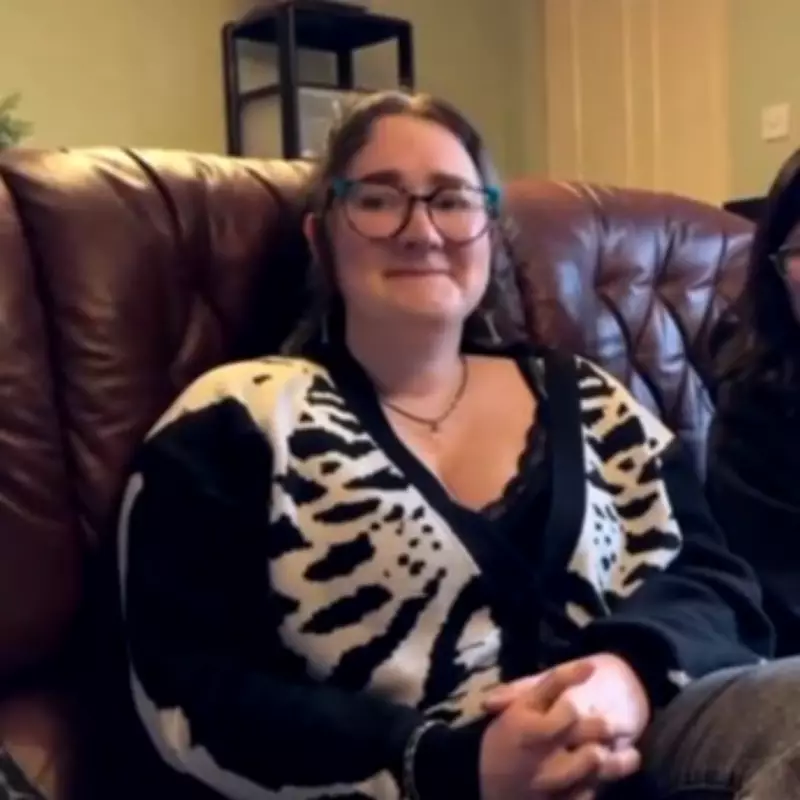
Coral struggled to maintain her composure as she recounted the moment she learned of the diagnosis. "It was hard, yeah," she said before breaking down in tears. Her daughter Lexi, demonstrating remarkable maturity, comforted her mother during the emotional moment.

"I was more upset about having to tell her than anything," Coral explained through tears. "And we had our moment, didn't we?" The raw emotion displayed by the mother underscored the profound impact such diagnoses have on entire families.
Practical Challenges of Treatment
The segment revealed the practical difficulties Coral faced during Lexi's treatment. Unable to drive herself, Coral relied on family and friends to make the regular 100-mile round trip from their home in Cumbria to Newcastle for medical appointments and treatment sessions.
This logistical challenge added significant stress to an already difficult situation, highlighting how geographical barriers can compound the difficulties faced by families dealing with serious illnesses.
Government Cancer Plan Announcement
The emotional personal story was contextualized within a broader policy announcement. BBC Breakfast reported that the government has published a new 10-year National Cancer Plan that includes several significant measures.
Naga Munchetty explained one key component: "Under the proposals, families of children and young people with cancer will have their travel costs covered when going for treatment." This represents a £10 million per year scheme designed to alleviate financial pressures on affected families.
Coral welcomed this development, stating: "I think that's a great idea. It takes so much stress off people. If it wasn't for the fact we've got such a good community around us, I don't know how we would have afforded it."
Broader Cancer Strategy Goals
The government's comprehensive cancer plan includes ambitious targets for improving outcomes. According to the Department of Health, the strategy aims to increase the percentage of patients who are cancer-free or living well five years after diagnosis from the current 60% to 75% by 2035.
This improvement would represent the fastest rate of progress in cancer outcomes this century and could translate to approximately 320,000 additional lives saved over the duration of the plan.
The document also pledges that the NHS will meet all its cancer waiting time targets by 2029, addressing concerns about treatment delays that have plagued the healthcare system in recent years.
Hopeful Update on Lexi's Journey
Amid the difficult discussion, there was a note of hope. The broadcast revealed that Lexi has now completed her chemotherapy treatment and is looking forward to returning to school in the coming weeks.
Lexi herself shared her perspective on the treatment process: "It was very emotional. Once we got to the hospital, I knew I was going to be getting treatment and I was going to be fine." Her resilience and positive outlook provided a counterpoint to the emotional weight of her mother's testimony.
The BBC Breakfast segment effectively wove together personal narrative with policy discussion, demonstrating how government initiatives can directly impact individual lives during moments of crisis.