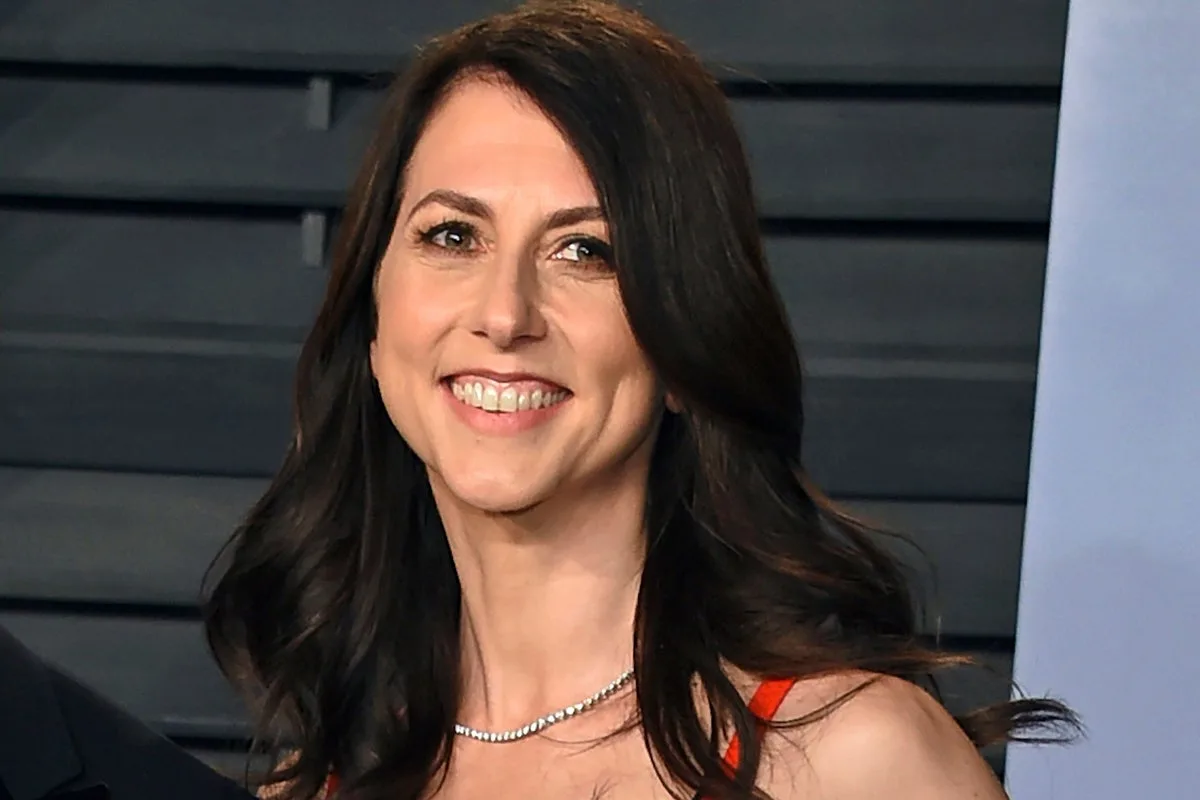
The Trevor Project, a charity providing crisis support for LGBTQ+ youth, has received a $45 million donation from billionaire author MacKenzie Scott, the organisation announced on Monday. The gift is the largest in its history and comes after a period of management upheaval, layoffs, and the loss of significant federal funding.
CEO Jaymes Black described their reaction upon learning of the donation: “I literally could not believe it and it took some time. I actually gasped.” Scott, whose wealth originates from her former marriage to Amazon founder Jeff Bezos, gave over $7 billion to nonprofits in 2025, though this particular gift was not included in the donations she disclosed on her website in December. She had previously donated $6 million to The Trevor Project in 2020.
The donation follows a difficult year for the charity. In July, the Trump administration ended specific support for LGBTQ+ young people contacting the 988 National Suicide & Crisis Lifeline, resulting in a $25 million funding loss for The Trevor Project, which had staffed that option. The organisation continues to run its own independent hotline, reaching about 250,000 young people annually, but had served another 250,000 through the now-defunct 988 Press 3 option.

The Trevor Project experienced rapid growth from a $4 million annual budget in 2016 to over $83 million in 2023, leading to internal turmoil, including the removal of its CEO in 2022 and multiple layoffs. Black noted that the 2026 budget is $47 million, adding: “We are a smaller organisation than we were before. And we will continue to be really intentional and really mindful around growth.” After losing the federal funding, the charity launched an emergency fundraiser that raised $20 million to date.
Thad Calabrese, a professor at New York University, commented that rapid growth often leads to financial problems for nonprofits, and that federal funding instability has upended many business models. Scott’s donations are notable for being large and unrestricted, with research from the Center for Effective Philanthropy suggesting that concerns about misuse or unsustainable growth have largely not materialised, likely due to her team’s extensive pre-grant research.