Mother says 13-year-old daughter would be alive if cries for help were taken seriously
Mother: daughter would be alive if cries for help were taken seriously

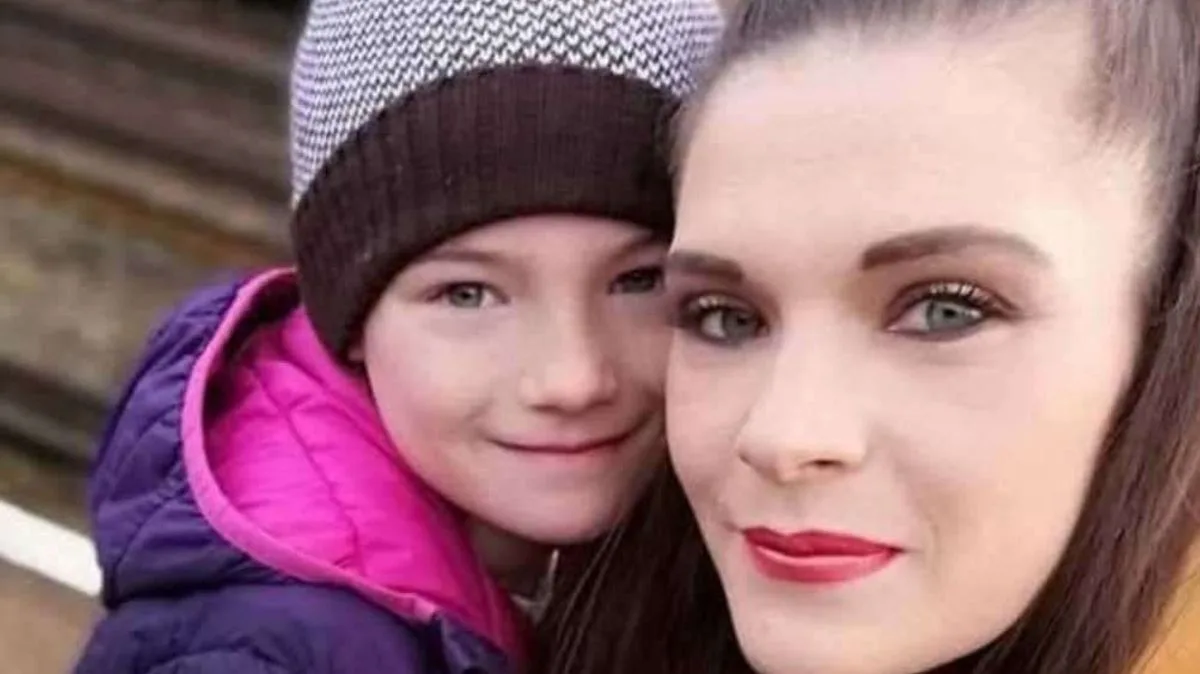
A heartbroken mother whose 13-year-old daughter took her own life says she might still be alive today if her cries for help had been taken seriously. Ella Louise Murray told her teachers she 'wanted to kill herself' and was rushed to hospital, where she informed a paediatric nurse she would end her life if sent home.

The teenager was referred to Child and Adolescent Mental Health Services (CAMHS) and assessed by a mental health nurse who deemed her a 'medium risk.' She was discharged with a home treatment plan. The following day, during a home visit, Ella told another nurse she would 'hurt herself or others' if she stayed at home and wanted to go to hospital. However, it was decided she did not meet admission criteria. After the nurse left, Ella attempted suicide and was airlifted to King's College Hospital in London, where she died the next day.

Mother's Heartbreak

Natalie Murray, speaking from her home in Sittingbourne, Kent, said: 'Losing a child is something I will never get over. There are so many questions I will never have the answer to, so many what ifs, and I cannot ask Ella. I look back and think she could still be here. If she felt like someone was helping her, maybe she would not have given up hope.'

Wide Pickt banner — collaborative shopping lists app for Telegram, phone mockup with grocery list

Inquest Findings

During an inquest, area coroner Catherine Wood said she found it 'incredible' that a 13-year-old could tell a nurse she would harm herself and not receive a risk assessment. 'I simply cannot accept it is reasonable to leave her at home even with a plan to see her the following day,' she said. 'There was a clear failure here to keep Ella safe. This was a child crying out for help, and I find she should have been risk-assessed. Had she been, she would have been high risk.'

The coroner declared Ella should have been taken to a mental health ward or an urgent discussion held with partner organisations to ensure her safety. Two years on, Natalie still cannot understand how her daughter was seen by three professionals but not admitted. She added: 'One of the hardest things I hear is she would have done it anyway. We do not know that. What we do know is that if she were risk-assessed, she would have been rated as high risk, and she might not have done it then.'

Petition for Mandatory Assessments

Ella's friend Daisy Sunley has launched a government petition calling for mandatory suicide risk assessments when a child in hospital care expresses intent to self-harm. Daisy has lost two friends, Ella and Elvie, to suicide. 'Losing one friend so young was heartbreaking, but losing two was something I struggled to understand,' she said. 'As I have gotten older and learned more about Ella's case, I began researching what a suicide risk assessment was and why it mattered. Now, as an almost 18-year-old, I cannot understand how something that could determine whether a vulnerable young person receives life-saving support can still be treated as optional.'

Prevention of Future Deaths Report

Following Ella's death, a Prevention of Future Deaths (PFD) report was submitted to the Secretary of State for Health and Social Care, the chief executive of NHS England, and the Kent and Medway Integrated Care Board (ICB). The coroner outlined concerns that if Ella had been removed from her home, she 'may still be alive today.' In response, organisations said multiple meetings and reviews had taken place and steps were being taken to strengthen information sharing and escalation plans.

Natalie, who has completed training in mental health and suicide awareness, said: 'If they have gone to the hospital, they should not be leaving without having an assessment, and they should not have to jump through so many hoops and red tape. Anyone with a desire to harm themselves at a young age should be taken more seriously. It is not worth the risk. They are big words for a small person, and are warning signs that should not be ignored.'

The Samaritans is available 24/7 if you need to talk. You can contact them for free by calling 116 123, email jo@samaritans.org or head to the website to find your nearest branch. You matter.

Pickt after-article banner — collaborative shopping lists app with family illustration