Scientists have uncovered a 'blueprint' for long life by studying the genome, gut health and lifestyle of Maria Branyas Morera, the world's oldest person who died last year at 117. The American-Catalan woman, born in San Francisco in 1907, attributed her longevity to 'luck and good genetics' and 'avoiding toxic people'.
A yet-to-be-peer-reviewed study found that Morera's cells functioned as if they were 17 years younger than her actual age. Her gut health was exceptionally youthful, resembling that of a child, with a microbiome rich in anti-inflammatory Bifidobacterium bacteria.
Researchers developed a comprehensive analysis platform to assess Morera's genome, proteins and microbes across different tissues. They compared the results with non-supercentenarian populations and found her genome contained variations linked to a stronger immune system, reduced cancer risk and protection from heart disease.

DNA methylation, an epigenetic mark associated with ageing, showed Morera was an 'outlier', with a biological age much younger than her chronological age across three tissues. She also had efficient lipid metabolism with low levels of VLDL cholesterol and triglycerides.
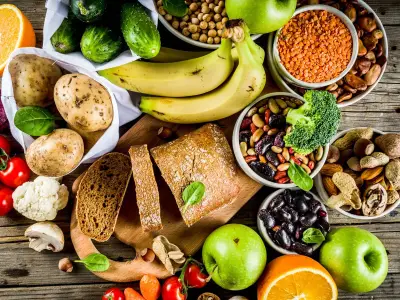
Morera avoided alcohol and smoking, enjoyed daily walks, and followed a diet rich in fruits, vegetables and three yoghurts a day. The study concluded that 'extremely advanced age and poor health are not intrinsically linked'.