
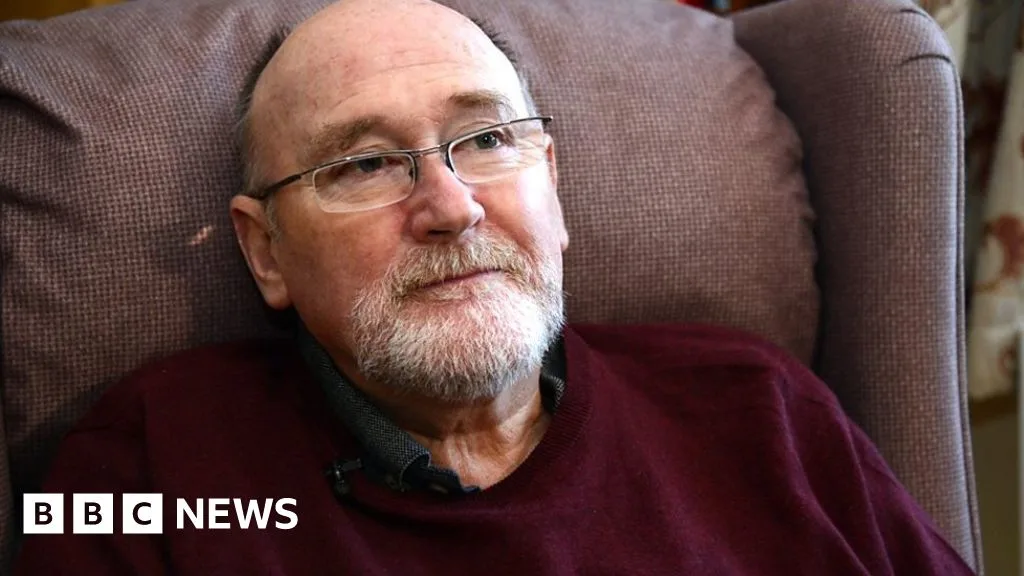
Noel Conway, a 67-year-old retired college lecturer from Shrewsbury with motor neurone disease, has died after a six-year legal battle for the right to die. His case was heard by the High Court in London, where he argued for the right to be prescribed a lethal dose when his health deteriorated further.
Mr Conway, who was supported by the campaign group Dignity in Dying, said he wanted to say goodbye to loved ones 'at the right time, not to be in a zombie-like condition suffering both physically and psychologically'. He feared becoming quadriplegic and catatonic, describing locked-in syndrome as 'a living hell'.
His lawyer, Richard Gordon QC, told the court that Mr Conway faced a stark choice: either to end his life now while still physically able, or await death with no control over when or how it comes. The proposed change would apply only to terminally ill adults with less than six months to live and a settled wish to die.
Assisted suicide is illegal in England and Wales under the Suicide Act 1961, punishable by up to 14 years in prison. The last major challenge to the law was rejected by the Supreme Court three years ago, which ruled that it was for Parliament to decide. In 2015, MPs voted against allowing assisted dying.
Baroness Jane Campbell, a disability rights campaigner, argued that changing the law would send 'all the wrong signals'. Supporters of the current legislation say it protects the vulnerable from exploitation or coercion. Mr Conway's death marks the end of a high-profile case that reignited debate on assisted dying in the UK.




