

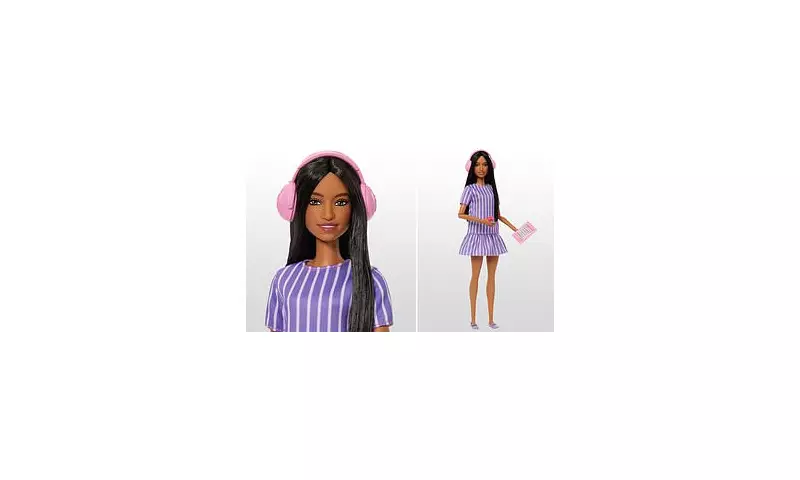
Mattel's landmark release of its first-ever autistic Barbie doll has ignited a fierce debate, with critics accusing the toy giant of peddling harmful stereotypes about neurodiversity. The doll, developed in partnership with the Autistic Self Advocacy Network (ASAN), features design elements like a fidget spinner and noise-cancelling headphones, which the company says were intended to reflect authentic experiences.
Design Intent Meets Public Criticism
The American toymaker stated the doll was designed with guidance from the autistic community to help change the narrative on neurodivergence. Its specific features include a shifted eye gaze, articulated wrists and elbows to enable stimming gestures like hand flapping, and accessories such as a working pink fidget spinner and purple noise-cancelling headphones. The doll also holds a tablet displaying symbol-based communication aids and wears a loose-fitting pinstripe dress designed for less fabric contact.
Despite these carefully considered elements and consultation with advocates like author Ellie Middleton, a swift backlash emerged on social media. Many autistic individuals and their families argued the doll reduces the vast spectrum of autism to a few clichéd props. One critic wrote: 'My niece has been diagnosed with autism. How thrilled she'll be when she finds out she's supposed to have "flappy hands".'

A Divided Response from the Community
The criticism centres on the fear that the doll reinforces narrow, stereotypical traits. Another commenter highlighted this concern, stating their autistic children are already frequently told they cannot be on the spectrum because they do not fit a general stereotype, and that this doll 'won't help'. Detractors feel the design, while well-intentioned, risks packaging autism into a simplistic, visual checklist rather than celebrating its diversity.
However, the project has received strong support from its official partners. Colin Killick, Executive Director of ASAN, said the team was 'thrilled' to help create a doll that offers 'authentic, joyful representations'. Ellie Middleton, an autistic and ADHD creator, expressed emotional resonance with the launch, noting it could help bring conversations about neurodivergent women to the forefront.
The Broader Push for Inclusive Representation
This autistic Barbie is part of Mattel's wider 'Fashionistas' line expansion, which now includes dolls representing individuals with Down syndrome, blindness, and type 1 diabetes. The autistic doll carries a recommended retail price of £13.99 and is now available at major retailers.
Peter Watt from the National Autistic Society offered measured support, emphasising the importance of extensive autistic consultation, which Mattel undertook. He reiterated that autism is a spectrum condition where every person is unique, and welcomed more authentic representations in media and play to improve public understanding.
The controversy underscores the complex challenge of creating mass-market products that represent nuanced, diverse communities without resorting to caricature, leaving Mattel navigating the fine line between inclusion and stereotype.






