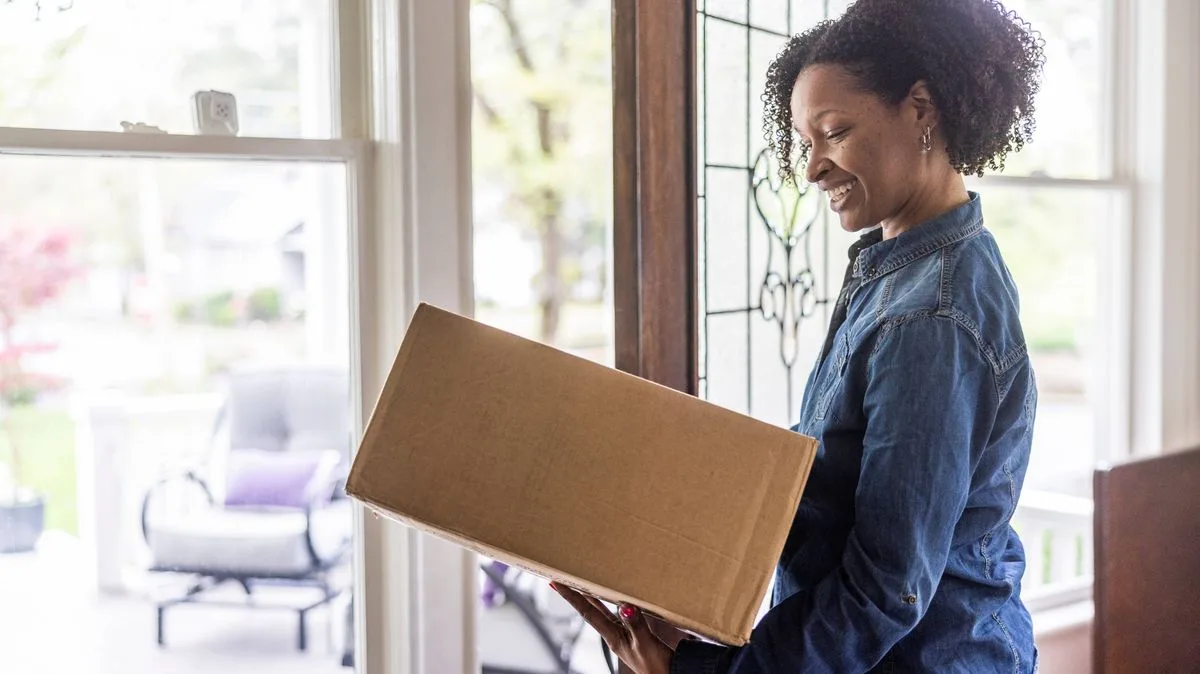
This spring, gardening enthusiasts are being encouraged to hold onto their cardboard boxes rather than discarding them, as these everyday items can serve a clever and valuable purpose in the garden. With countless households receiving parcels from retailers like Amazon daily, the typical routine of flattening and recycling cardboard might be missing out on a crucial opportunity to boost plant growth and garden health.
Transforming Cardboard into Plant Pots
Gardening specialists have revealed that cardboard boxes can be readily transformed into biodegradable plant pots, ideal for nurturing seeds and seedlings. Jeff and Lauren, a duo known for sharing household tips online, recently demonstrated this technique in a TikTok clip. They start by cutting or tearing the boxes into strips, then soaking them in water to soften the material.
Next, they wrap a dampened cardboard strip around an empty tin can to mould it into shape. After tucking in the base to create a seal, the cardboard pieces are left to dry. Once dried, they can be filled with soil and used for sowing seeds. When the seeds sprout, these cardboard containers can be transferred directly into outdoor soil in pots or flower beds, where the cardboard will break down naturally over time.
Ideal Uses for Cardboard Plant Pots
This method works particularly well with seed-grown plants, such as vegetables and herbs, or with fragile young plug plants and seedlings that require nurturing on a windowsill or in a greenhouse before being transplanted outdoors. It is essential to use plain, unwaxed cardboard and remove any tape, as tape does not biodegrade. Brown packaging cardboard, commonly used in delivery boxes, is best suited for this purpose.
Beyond Plant Pots: Cardboard's Versatility in Gardening
Cardboard offers far more potential in the garden than just creating small plant pots. It ranks among the most versatile free resources that gardeners can acquire and repurpose for numerous applications, from suppressing weeds to enhancing soil quality.
Weed Suppression Techniques
Cardboard can effectively block sunlight, preventing weed seeds from germinating and causing existing weeds to weaken and die back. Over time, it breaks down and is incorporated into the soil by worms and microbes. To use cardboard for weed suppression, remove thick stems and seed heads first, lay the cardboard so it overlaps with no gaps, wet it thoroughly, and then cover it with compost, woodchip, or straw to keep it in place.
No-Dig Bed Building
Cardboard is a cornerstone of no-dig gardening, allowing gardeners to start a bed without turning over the soil. Simply mow or strim the area low, lay overlapping cardboard, add 5–10cm of compost on top, and plant directly into the compost layer. This method promotes soil health and reduces labour.
Composting Benefits
Plain cardboard is a valuable carbon-rich ingredient for compost heaps. It helps balance wet kitchen scraps or grass clippings, improves airflow, and reduces unpleasant smells, making it an eco-friendly addition to any composting system.
With many people looking to spruce up their outdoor spaces for spring, now is an opportune time to explore these cardboard techniques. Not only do they support plant growth, but they also contribute to sustainability by reducing waste and enhancing garden ecosystems.






