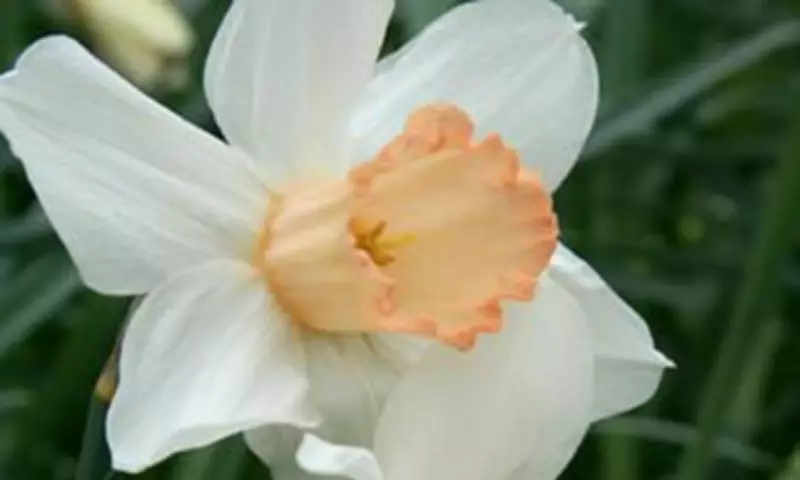
Rare Pink Daffodil 'Mrs R.O Blackhouse' Faces Extinction in UK Gardens
Brits are being urged to scour their gardens for a rare pink daffodil, amid growing fears that this unique flower could vanish forever. The daffodil, known as 'Mrs R.O Blackhouse', has a history spanning over a century but has gradually disappeared from British horticulture. A recent survey by the Royal Horticultural Society (RHS) reveals that a mere six per cent of all daffodils in the UK feature any pink coloration, highlighting the urgency of conservation efforts.
National Mapping Project Uncovers Daffodil Diversity
The RHS's Daffodil Diaries mapping initiative has demonstrated that daffodils are a truly national flower, cultivated in every corner of the country. Dr Kálmán Könyves, Principal Plant Scientist at the RHS, commented, "Yellow daffodils dominate overwhelmingly, which is unsurprising given their vibrant spring display. However, it is intriguing that the more adaptable pink varieties have not gained the popularity we anticipated." The project found that 60% of UK daffodils are trumpet types, with 56% being all-yellow, and the all-yellow trumpet alone accounting for 42% of recorded specimens.
In contrast, only six per cent of daffodils reported contain pink, alongside one per cent green and 0.4 per cent red. Cup-shaped flowers made up 20% of sightings, while doubles constituted 16%. Last year, gardeners were encouraged to report three rare varieties: the pink-trumpeted Mrs R.O Blackhouse, the white double-flowered Mrs William Copeland, and the orange and yellow double Sussex Bonfire.

Campaign to Revive a Century-Old Bloom
Now, the RHS has launched a fresh campaign to rescue Mrs R.O Blackhouse from obscurity. Gardeners who identify this daffodil are invited to donate it to plant breeder Scamps Daffodils, which is working to reintroduce the flower into widespread cultivation. This variety boasts a solid coral pink trumpet and ivory flowers, believed to have been bred by pioneering female hybridist Sara Backhouse and named posthumously by her husband in 1921.
Guy Barter, RHS Chief Horticulturist, emphasised, "With an estimated 30,000 daffodil varieties in the UK, distinguishing them requires expertise, but this diversity is crucial for ecological and human benefits. Preserving these rare types is essential." Owners of potential rare blooms are asked to dig them up after flowering for a trial at the RHS's Wisley research facility in Surrey.
Broader Implications for Horticulture and Climate
The Daffodil Diaries data also showed that daffodils bloom across spring, peaking in March, with the miniature tete-a-tete variety flowering exclusively in February and March. Over time, the RHS plans to analyse this information to track changes in peak flowering times, geographical influences, and shifting gardening trends.
Dr Könyves added, "It will be fascinating to observe how this year's weather affects flowering. Current mild conditions appear to encourage earlier blooms, and in the long term, we must monitor how daffodils withstand climate change impacts." This initiative not only aims to save a specific flower but also contributes to broader conservation awareness, as highlighted by the UK's other endangered plants like the Ghost Orchid and Red Helleborine.