
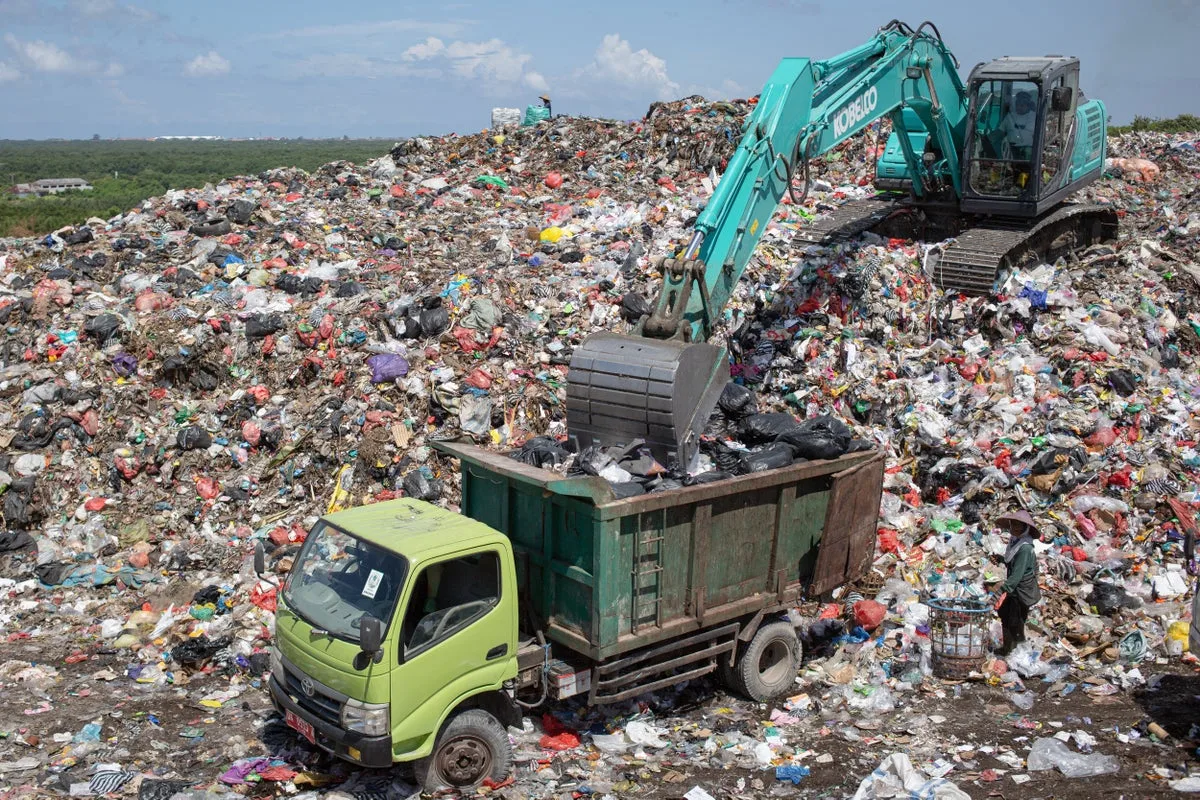
Bali is facing a worsening waste crisis after restrictions at its main landfill disrupted garbage collection, leaving rubbish piling up in streets and tourist areas. The Suwung landfill, the island's primary disposal site, stopped accepting organic waste from 1 April as authorities sought to enforce long-standing policies to end open dumping and encourage waste processing at source.
The landfill, which typically handles 1,000-1,200 tonnes of waste daily, is set to close completely from 1 August after inspections found volumes sometimes reached 1,800 tonnes a day, far beyond capacity. Plans to shut the site have been delayed for years, with deadlines slipping from before the 2022 G20 summit to early 2026. In March, authorities briefly closed the landfill but reopened it within a day as garbage trucks were left stranded.
Organic waste accounts for up to two-thirds of Bali's total waste output and produces methane gas when left to decompose, raising fire and landslide risks. Without fully operational alternatives, the restrictions have led residents to burn rubbish or dump it on roadsides and in waterways. “Almost every third or fourth house in my street is burning their own trash,” Denpasar resident Ravinjay Kuckreja told Bloomberg.
Sanitation workers have protested, saying they have no place to dispose of collected waste. Worker I Wayan Tedi Brahmana told AFP: “If we don’t collect our client’s rubbish, we are in the wrong, if we collect it, where do we dispose it?” Neighbourhood collection points are overflowing, and illegal dumping has intensified since April.
The crisis is affecting tourism, which accounts for over half of Bali's economy. In Kuta, rubbish is building up near hotels and beaches. Clean-up efforts are struggling, with manager I Nyoman Arya Arimbawa saying they need more vehicles. Australian tourist Justin Butcher told AFP: “You have many rats here at nighttime. The smell is not very good.” Former environment minister Hanif Faisol Nurofiq warned that Bali's environmental issues harm Indonesia's global reputation.
Bali produces an estimated 3,400 tonnes of waste daily; roughly 52 per cent is mismanaged, with about 1,000 illegal dump sites on the island. Governor Wayan Koster says a waste-to-energy facility processing 1,200 tonnes daily is set to begin construction by end of June 2026.




