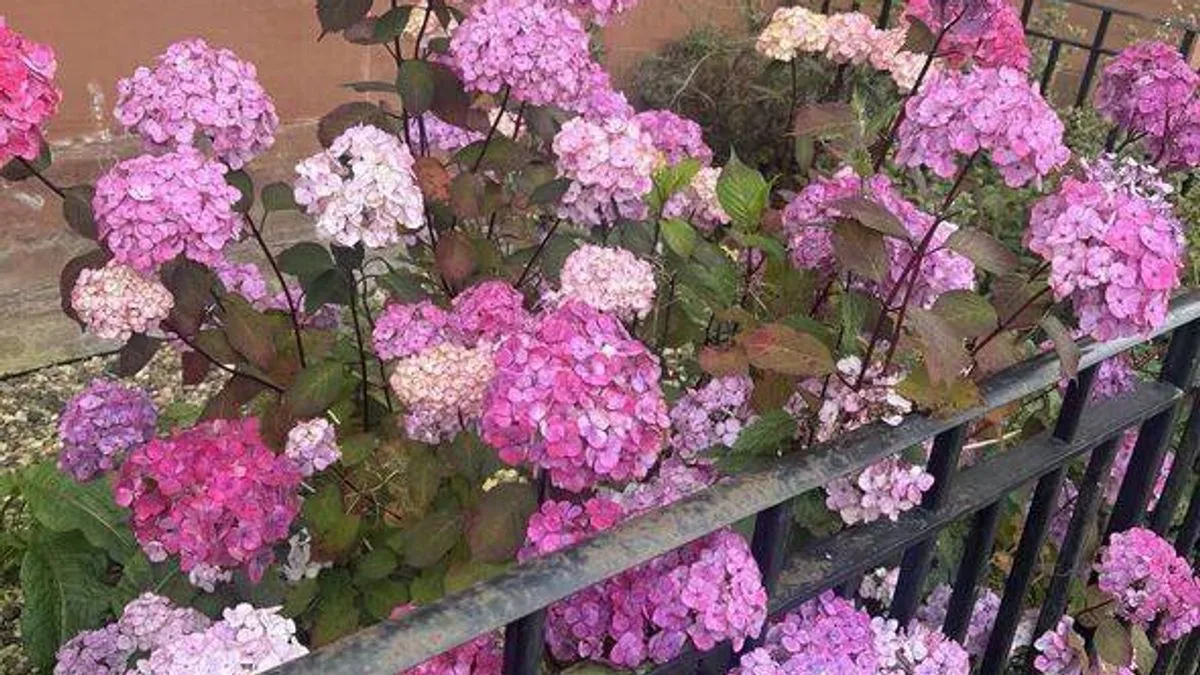
Monty Don and Alan Titchmarsh Reveal March Hydrangea Secret for Bigger Blooms
Monty Don's March Hydrangea Task for Bigger Blooms

Expert Gardening Advice for Spectacular Hydrangea Blooms

Hydrangeas have secured their position as beloved garden staples, celebrated for their magnificent, colourful blooms that illuminate outdoor spaces throughout the summer months and often continue their display well into autumn. Despite their popularity, many gardeners remain confused about proper spring care, particularly whether early pruning is essential or if simply removing faded flower heads is sufficient.

The Critical Distinction Between Deadheading and Pruning

While hydrangeas are generally resilient shrubs that thrive in challenging conditions, including shady spots, incorrect timing of pruning and deadheading can severely compromise their flowering potential. Both Monty Don and Alan Titchmarsh provide straightforward guidance to help gardeners maintain floriferous hydrangeas, emphasising the crucial difference between deadheading and pruning—two practices often mistakenly conflated despite involving fundamentally different approaches.

Deadheading involves the removal of old, spent flower heads after they have finished blooming, as reported by the Express. According to advice published through Gardeners' World, Monty Don recommends cutting the faded flower head directly above the highest pair of strong buds located beneath the bloom. This technique eliminates the dried flower while keeping the stem intact, allowing it to continue producing growth and future flowers.

The Optimal Timing for Hydrangea Care

Many gardeners choose to leave the dried flower heads on plants throughout the winter season, as they can provide protection for developing buds against frost damage while adding visual interest to the garden during colder months. Come spring, these faded blooms can be cleared away as part of a gentle garden tidy-up session.

In his March gardening tasks blog entry, Monty clarifies that gardeners should snip the old flower head "just above the top pair of buds beneath the bloom." Alan Titchmarsh similarly advises gardeners to remove spent hydrangea blooms once they decline, helping the plant appear neater while redirecting energy into robust growth.

Pruning represents a more substantial undertaking that involves cutting stems significantly further back to control the plant's shape, size, or vitality. Both Monty and Alan consistently stress that pruning hydrangeas must be executed with caution because different hydrangea varieties flower at different times.

Understanding Hydrangea Flowering Patterns

Many popular garden varieties, particularly mophead hydrangeas (Hydrangea macrophylla), bloom on old wood, meaning the buds destined to produce this year's flowers developed on stems during the previous summer. If these stems are pruned too aggressively in spring, gardeners risk accidentally removing the buds scheduled to blossom later in the year.

Instead, pruning for these types of hydrangeas typically involves removing dead, damaged, or weak stems in early spring, along with faded flowers. If a more substantial prune is necessary to reshape the plant, it's best performed after blooming concludes in late summer.

The ideal time to deadhead hydrangeas is in late March, just after the final frost, as the plant emerges from its dormant state. At this point, any winter-damaged wood can be safely pruned without endangering the healthy flower buds, ensuring a vibrant array of blooms arrives come summer. This simple March task, endorsed by both Monty Don and Alan Titchmarsh, can transform your hydrangea display from modest to magnificent.