Milli Proust's Expert Guide to Crafting a No-Dig Border Garden
If you haven't yet discovered the enchanting world of flower farming on social media, allow us to introduce Milli Proust, a celebrated UK-based gardener and co-founder of the floral design studio Alma Proust, which she operates alongside her business partner Paris Alma. Proust resides in a charming 17th-century cottage located in Petworth, West Sussex, with her partner Ted Dwane, the bassist for the renowned folk-rock band Mumford & Sons, and their young son Rex. She has meticulously organized ten acres of field and woodland surrounding her property into distinct garden zones, including a cutting and rose garden, a greenhouse, a wildflower meadow, a kitchen herb garden, and an orchard dedicated to Dwane's cider-making endeavors.
Here, Proust generously reveals the top techniques and strategies she employed to breathe life into her stunning border gardens. Her border garden, showcased after six months of growth, features her preferred north-facing-tolerant rose, Olivia Rose Austin.
How to Establish a Border Garden from the Ground Up
Border gardens play a crucial role in defining, softening, and adding both structure and vibrant colour to gardens of any scale. Additionally, they serve as essential habitats where wildlife can flourish and thrive. When initiating new borders, Proust strongly advocates for the no-dig method, a straightforward approach that avoids turning or disturbing the soil. Digging can disrupt beneficial microorganisms, bring buried weeds to the surface, and damage the soil's natural composition. The no-dig technique nourishes the ground from above by applying layers of compost or organic matter to feed plants, while leaving the subterranean ecosystem undisturbed.

The dimensions of your bed or border ultimately depend on personal preference and the available space. Proust recommends a wide border of at least one metre to provide ample room for plants to expand and mature.

Essential Tools and Materials
- Garden stakes For plotting out the border size and shape.
- Rope or string Secured around the stakes to mark the border edge clearly.
- Lawn mower To cut the grass as short as possible around the border area.
- Cardboard Untreated, thick cardboard suppresses weeds and acts as an effective barrier.
- Watering can or hosepipe To thoroughly water the cardboard and plants.
- Wheelbarrow For transporting compost and plants efficiently.
- High-quality compost or well-rotted organic matter Sufficient to spread to a depth of approximately 10cm.
- Plants A selection suited to your border design, considering soil type—whether acidic or alkaline, sandy or clay-like.
- Trowel For creating shallow holes through the cardboard.
- Half-moon turf cutter or flat-backed spade For achieving neat edges around the completed border.
Step-by-Step Instructions
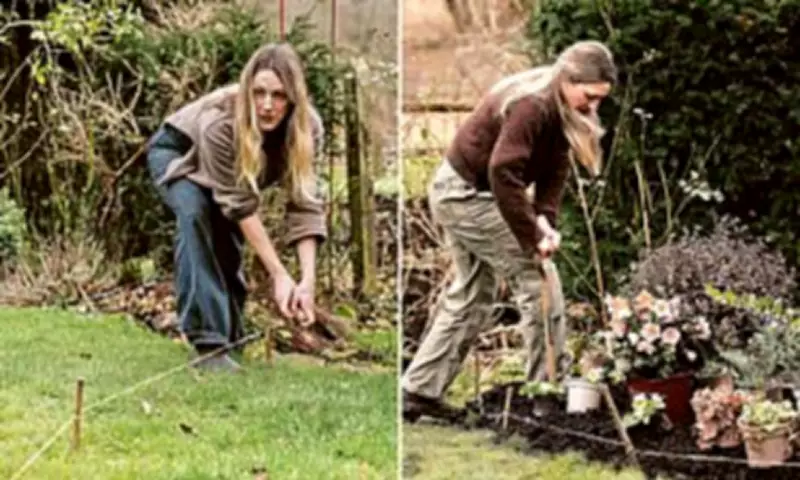
- Mark the Border Place stakes in the ground at intervals to outline your planting bed. Tie rope or string around the stakes to define the edges and ensure a precise working area.
- Prepare the Area If creating the border in a grassy spot, mow the grass as short as possible. Remove any persistent large or perennial weeds, such as dandelions or dock, to prevent regrowth.
- Add a Cardboard Layer Spread thick, untreated cardboard over the border area, ensuring no gaps exist. This suppresses small remaining weeds and decomposes naturally over time. Lightly wet the cardboard to help it stay in place.
- Spread Your Compost Apply compost or well-rotted organic matter evenly to a depth of about 10cm over the cardboard. The border will initially be slightly raised but will even out as the cardboard breaks down and the compost settles.
- Set Out Your Plants Before planting, arrange your plants—still in their pots—on the soil in a rough design. Consider shape, height, and grouping in odd numbers for visual interest. Step back to check the layout from different angles for balance.
- Check Your Space Provide plants with enough room to reach full size, aiming for a lush border where bare soil is hidden in summer. Adjust spacing for airflow in humid or disease-prone climates.
- Get Planting Create small, shallow holes through the cardboard with a trowel where each plant will go. Gently remove plants from pots, place in holes, backfill with compost, and firm the soil. Water thoroughly to help them settle.
- Edge the Border For a neat finish, use a half-moon cutter or flat-backed spade to cut clean edges around your border garden.
This guide is an edited extract from How Does Your Garden Grow? by Milli Proust, featuring photographs by Éva Németh, published by Quadrille. The book offers further inspiration and detailed insights for gardening enthusiasts.