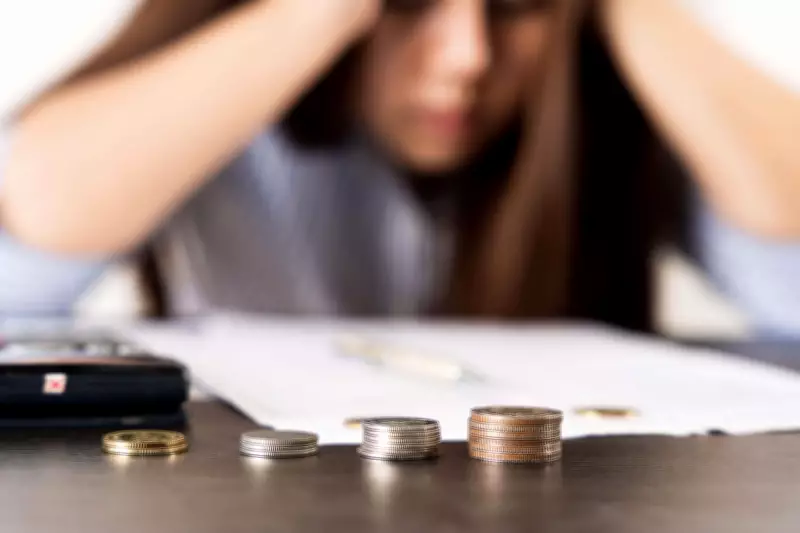
Economic abuse can be a subtle yet devastating form of domestic abuse. According to Surviving Economic Abuse (SEA), one in six women in the UK has experienced it, and it is present in 95% of domestic abuse cases. Sara D'Arcy, head of external affairs at SEA, explains: "Economic abuse is when a partner or ex-partner controls your money and economic resources, including housing, transport, mobile phone, food, and clothing." This behaviour has been criminalised under coercive controlling behaviour offences.
How Abusers Use Economic Control
Abusers employ tactics throughout the year, particularly during holidays. D'Arcy notes: "Abusers use child maintenance to control and cause harm at times like half-term or summer holidays, knowing it will have emotional and financial impact – preventing trips to the seaside or buying a birthday cake." The cost of living crisis also provides an excuse for abusers to tighten control. Women's Aid found 75% of survivors living with an abuser said it prevented or hindered leaving.
Joint mortgage economic abuse affects one in eight women with a joint mortgage. "This includes refusing to pay their share, blocking better interest rates, or preventing access to mortgage support," D'Arcy says. With rising interest rates, SEA urges the government to help survivors separate joint mortgages from abusers.

Long-Term Impact
Economic abuse makes it harder for survivors to flee safely due to loss of home, destitution, or inability to afford locks or transport. It can also escalate other forms of violence. Unlike other abuse, it often continues after separation because it doesn't require physical proximity.
Signs to Spot in Your Relationship
- Early on, abusers may say: "I'll take care of all the bills, you don't worry about money."
- They might pressure you to take out loans, saying: "If you loved me, you'd lend me this."
- Discouraging promotions or controlling what you wear.
- Refusing to contribute to shared bills.
- Destroying your belongings, forcing you to replace them.
- Feeling scared to say no, anxious about money, or isolated.
- Discovering you have no access to your bank account or unexpected debts.
Signs in a Loved One's Relationship
- Changes in behaviour, like avoiding regular activities or lunches.
- Excessive worry about spending or saying: "My partner won't let me."
- Neglecting self-care, such as skipping nail appointments.
- Becoming withdrawn or isolated.
How to Help
If you're concerned about a loved one, D'Arcy advises: "Don't judge. Ask open questions, let them share what they're comfortable with, and reassure them they're not alone. Create space for them to act in their own time." For immediate danger, call 999. For safety planning, contact the National Domestic Abuse Helpline (0808 2000 247), run by Refuge. Visit survivingeconomicabuse.org for more advice. SEA also works with Money Advice Plus for debt support. Banks like TSB offer a flee fund of up to £500 to help survivors escape.