Essential March Rose Pruning Tasks Every Gardener Must Complete
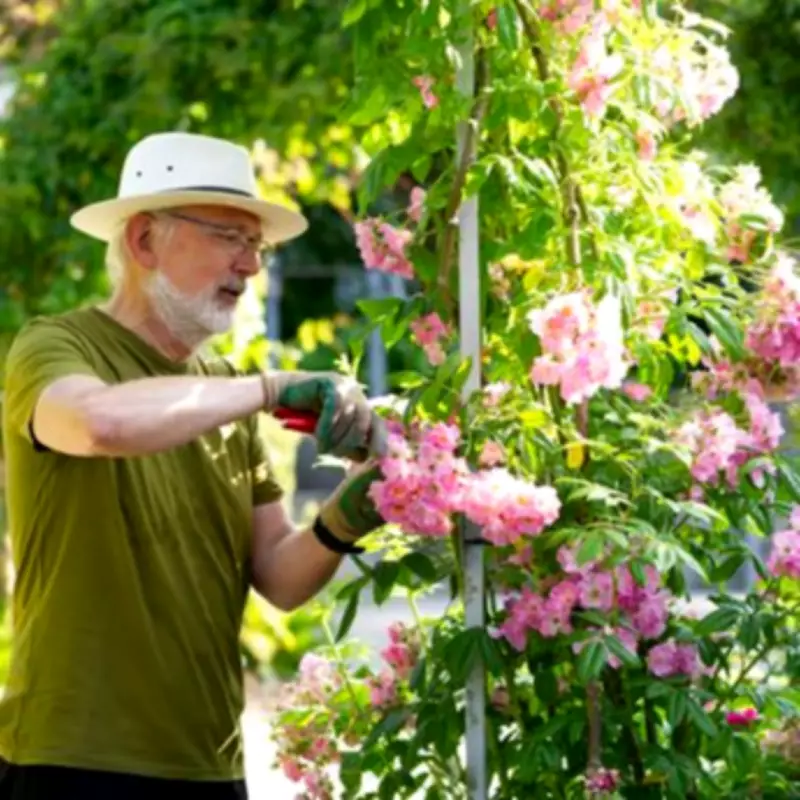
Horticultural expert Simon, from the popular Walking Talking Gardeners YouTube channel, has issued an urgent reminder to gardeners across Britain to complete their rose pruning by the end of March. With roses standing as the nation's most cherished garden flowers yet notoriously challenging to maintain properly, Simon's guidance comes at a critical moment in the gardening calendar.
The Critical Preparatory Step Most Gardeners Overlook
"There is a tremendous amount of conflicting advice about how and when to cut your roses," explains Simon, "but before you even consider removing any dead, damaged or diseased stems, there's one absolutely critical task you mustn't overlook."
Simon emphasises that cleaning and sterilising your cutting equipment represents the most essential preparatory step before beginning any pruning work. "We need to talk about sterilising your cutting blades before you start cutting," he insists, "because there are some significant problems that you can avoid simply by doing that."

He elaborates on the reasoning behind this crucial warning: "Roses serve as an absolute magnet for fungal diseases, bacterial infections and viruses. When you cut into these infected plants with your secateurs, you get the infected sap on your blade. So, as soon as cut into another plant, you're creating a fresh wound and then the infected sap that's present touches that fresh wound, meaning whatever bacterial, viral or fungal infections are on it will be passed directly onto that other plant."
To prevent this common but devastating error, Simon advises either heat-treating secateur blades or thoroughly cleaning them with rubbing alcohol, allowing approximately fifteen minutes before wiping the solution away completely.
Which Roses Require March Pruning and Why Timing Matters
Simon clarifies that roses generally fall into four main categories, each requiring slightly different pruning approaches. These include Rambling, Climbing and Shrub varieties, alongside the more diverse Hybrid tea and floribunda types. According to his professional assessment, two of these categories absolutely must be pruned during this crucial month.
Climbing Roses: The March Advantage
The initial variety requiring attention in March are climbing roses. "Climbing roses are very different because they flower on the new season's wood," Simon clarifies, addressing the ongoing debate amongst gardeners regarding ideal pruning timing.
While some specialists advocate trimming in November, Simon firmly favours completing the task in March. "You get two distinct benefits by cutting in March that you don't get by cutting in November," he points out convincingly.
"The problem with November cuts is that the weather can still be very mild and also extremely damp. As such, there are still numerous fungal infections floating around in the air waiting to infect your fresh cuts with November timing."
He further explains that pruning roses prematurely robs gardeners of a second showing of decorative rose hips, which aren't merely an attractive feature in autumn gardens but also provide essential nourishment for local wildlife. "So cut them in March in my professional opinion," he concludes. "Cut them back to your framework and they'll flower beautifully on that new growth."
Hybrid Teas and Floribundas: Following the Rule of Thirds
These varieties, Simon suggests, are arguably the most straightforward roses to manage and should likewise be trimmed in March. "It's difficult to make mistakes because you have the rose rule of thirds," he explained helpfully.
"When you cut your hybrid teas and floribundas you cut in the third week of the third month - that would be March - to the third outward facing bud." Gardeners should locate three buds from the base of the stem and pinpoint the outward-facing bud specifically.
Simon concludes with an important technical tip: "When you are making your cuts to all roses, you never make a flat cut because water can sit on top of these open wounds, increasing the risk of fungal infections making their way through. Always cut at an angle so that any rain just slides off cleanly."

Roses That Should NOT Be Pruned in March
Different varieties, such as rambling roses, require pruning at alternative points in the calendar. "The pruning times for your rambling roses is always immediately after flowering," Simon explains carefully.
"You're not trying to prune it back to a framework like you would with a climbing rose - you're just trying to tidy up, stop it being so messy. You want to encourage that rather romantic twisting climbing feature of it."
Many gardeners confuse their rambling and climbing varieties, Simon emphasises, and this confusion represents where significant difficulties can arise. Rambling roses produce blooms on wood from the previous season, with Simon warning seriously: "People often confuse these with climbing roses that are pruned either at the end of the year or in the spring. And if you do that with a rambling rose, wherever you've cut it, you're not going to get any flowers at all."
Should gardeners be uncertain about which type of roses they're growing – perhaps because they've misplaced the nursery label or the plant came with their property – there's a helpful guideline to distinguish them. Climbing varieties typically flower multiple times throughout the season with larger blooms on rigid stems, whilst rambling roses are vigorous, pliable growers that usually produce one spectacular show of smaller clustered flowers around June.
When dealing with rambling roses, Simon advises removing crossing branches alongside any clearly dead or damaged stems, noting: "Crossing branches can damage the bark, damage the cambium layer, and that can become an infection point for bacteria, fungal infections, and viruses."
Shrub Roses: The Low-Maintenance Alternative
Shrub roses should also be left untouched during March, according to Simon's expert guidance. These varieties are gaining popularity amongst gardeners primarily due to their superior disease resistance and low-maintenance nature.
"They mostly flower on the previous season's wood," he explained clearly. "That flowering time tends to run out about the end of summer and that is precisely when you would make your cuts. You don't cut it as you would a hybrid tea or floribunda in the spring, or about March time, simply because you're going to produce loads of new growth so you won't get any blooms from it. So timing is absolutely paramount. You've only really got that one time immediately after flowering and you're not cutting too much off it."
With these comprehensive guidelines, British gardeners can approach March with confidence, ensuring their cherished roses receive the proper care at precisely the right time while avoiding the common but devastating mistake of spreading disease through unsterilised tools.