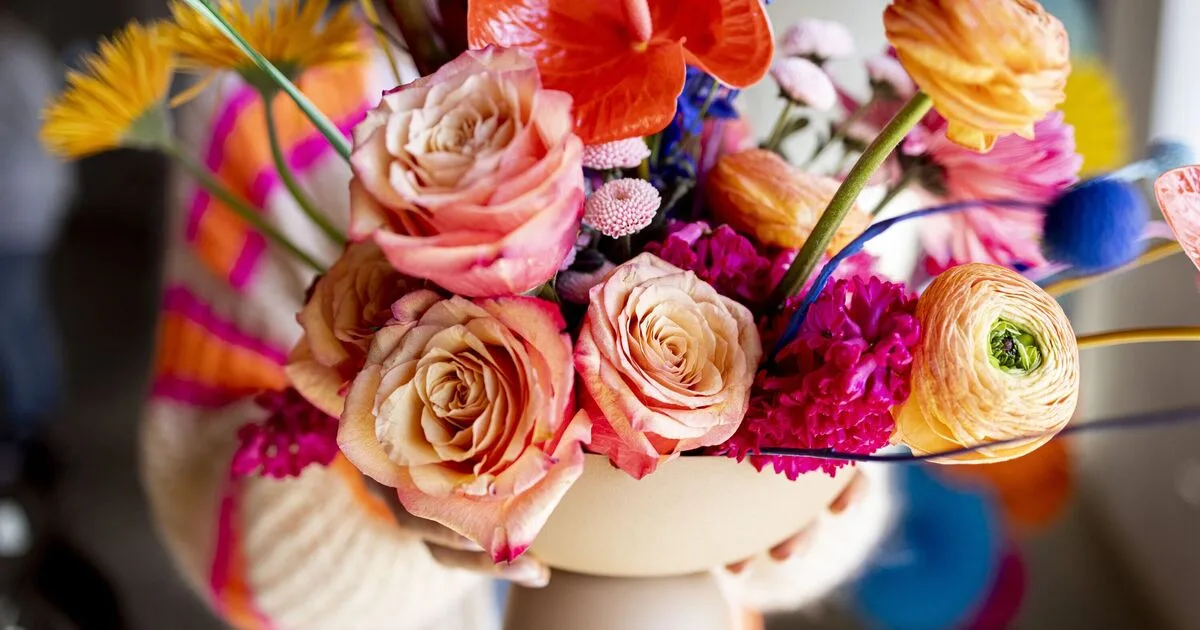
Two Kitchen Staples That Keep Valentine's Flowers Fresh for Weeks
Kitchen Staples Keep Valentine's Flowers Fresh for Weeks

If you received a beautiful bouquet for Valentine's Day, you might be wondering how to keep those vibrant blooms looking their best for as long as possible. While fresh flowers add a delightful splash of colour to any room, they often don't last as long as garden-grown varieties. Fortunately, a straightforward method using just two common kitchen items can significantly extend their freshness.

The Simple Two-Ingredient Solution

Home tips enthusiast and popular Australian TikTok creator Chantel Mila, known online as Mama Mila, has shared her effective technique for prolonging the life of shop-bought flowers. The best part is that you likely already have both required ingredients in your pantry. According to reports from the Express, this method is both easy and remarkably effective.

Step-by-Step Instructions

Begin by filling your vase approximately halfway with clean water. Next, add one tablespoon of sugar—either caster or granulated varieties work perfectly—followed by two tablespoons of white vinegar. Gently stir the mixture to ensure the sugar dissolves completely in the water.

If you haven't already prepared the stems, Chantel recommends trimming them at a 45-degree angle while they are submerged underwater. This underwater cutting technique prevents air bubbles from entering the stems, which can block water uptake. Additionally, remove any unnecessary leaves that would sit below the waterline, as these can decompose and promote bacterial growth.

Why Sugar and Vinegar Work Together

Sugar plays a crucial role in maintaining flower vitality after cutting. Teleflora explains that once flowers are severed from their roots, they immediately lose access to the nutrients normally provided through photosynthesis. When sugar is added to vase water, it breaks down and supplies essential carbohydrates that the flowers absorb gradually through their stems, effectively replacing lost nourishment.

However, sugar alone presents a significant drawback. Teleflora warns that sugar can encourage bacterial proliferation in the water, which may cause unpleasant odours and actually accelerate the flowers' decline. This is precisely why vinegar must be combined with the sugar—it creates an environment that inhibits bacterial growth.

The Science Behind the Method

Gardening Know How elaborates on the vinegar's function: "Those preserving cut flowers with vinegar are essentially lowering the pH, which increases acidity. This creates an environment less suitable for bacterial growth, which is often responsible for the rapid decline in flower freshness."

Morning Flowers specialists emphasize that the sugar helps replenish nutrients lost after cutting, while regular water changes and top-ups prevent bacterial accumulation around the stems. They note that vinegar should never be used alone; it must be deployed alongside another component like sugar to be effective.

While vinegar quantities might vary slightly, most gardening experts recommend approximately two tablespoons each of vinegar and dissolved sugar per one-quart vase. This balanced combination provides optimal nourishment while maintaining a hostile environment for bacteria.

Additional Care Tips for Long-Lasting Blooms

Beyond the sugar-vinegar solution, proper stem preparation is essential. Cutting stems at an angle increases the surface area for water absorption, while underwater cutting prevents airlock. Removing submerged leaves reduces decomposition in the water. Regular water changes—every two to three days—along with re-trimming stems slightly each time, will further extend your flowers' lifespan.

With these simple steps, your Valentine's Day bouquet can remain bright and fresh for significantly longer, allowing you to enjoy its beauty and fragrance well beyond the holiday itself. This economical method transforms everyday kitchen staples into powerful floral preservatives, proving that sometimes the simplest solutions are the most effective.




